Swiss Machining Services
Our Swiss machining service produces small, slender, feature-dense parts with guide-bushing support, main and sub-spindle completion, live tooling, and repeatable high-volume output. We review every drawing to match the process, workholding, tooling, and inspection plan to the part rather than forcing the design into a standard route.
Swiss Machining Capabilities
We support development builds, validation lots, and repeat production with a documented process route. We use guide-bushing support, coordinated main and sub-spindles, and live tooling to control slender stock close to the cutting point. Our process planning balances bar preparation, guide-bushing fit, tool pressure, chip control, and cycle automation so small features remain stable across long production runs.
- Bar diameter
- Ø1 to Ø38 mm
- Length-to-diameter
- Up to 20:1 typical
- Precision diameter
- Down to ±0.005 mm
- Production volume
- 1,000 to 1,000,000+ parts
- Supported materials
- 30+ Grades
- Surface finishes
- 10+ Options
- Quality system
- ISO 9001
- Inspection reporting
- CMM Reports
Choosing the Right Process for Swiss Machining
Not every component needs the most advanced process. Geometry, feature access, tolerance relationships, material, and production cost should determine the route.
Why Use a Swiss Machining Service?
Swiss machining creates the most value when part geometry, feature density, and production volume are considered together. We use the process to keep slender stock supported, consolidate operations, and produce repeat parts with fewer handling steps.
Support close to the cutting zone
A fitted guide bushing supports the bar close to the tool, limiting unsupported length, deflection, and vibration when machining small-diameter or slender parts.
More features in one cycle
Turning, milling, drilling, boring, tapping, slotting, and engraving can be combined in one programmed sequence, reducing transfers and accumulated datum error.
Main and sub-spindle completion
The sub-spindle can receive the part for back working while the main spindle starts the next cycle, helping complete front and rear features without a separate setup.
Shorter cycle through overlapping work
Independent tool groups and synchronized main/sub-spindle operations can machine simultaneously, reducing idle movement and non-cutting time on repeat production.
Repeatable bar-fed production
Automatic bar feeding and a stable one-cycle process support consistent output from first article through medium- and high-volume production runs.
Complexity in a compact part
Swiss machining is well suited to miniature components that combine tight diameters, threads, flats, cross holes, grooves, and other dense features.
How We Control Swiss Machining Risk
A capable Swiss lathe is only part of the result. Bar condition, guide-bushing fit, handoff timing, tool layout, chip control, and inspection planning must work as one production system to maintain accuracy across the run.
Bar stock and guide-bushing fit
Stock straightness, diameter consistency, surface condition, and guide-bushing clearance are reviewed together because they directly influence feeding, finish, and size stability.
Length-to-diameter support strategy
We evaluate the unsupported cutting length, feature sequence, tool pressure, and material behavior to control bending and chatter on slender geometry.
Main/sub-spindle handoff
Pickup position, gripping length, cutoff allowance, synchronization, and back-working datums are planned to protect concentricity and finished length.
Tool layout and operation overlap
Turning tools, live tools, end-working tools, and sub-spindle tools are sequenced for access and cycle time while checking interference and chip flow.
Heat, coolant, and chip control
Cutting data and coolant delivery are matched to the material and feature scale, with special attention to stringy chips, small drills, fine threads, titanium, and stainless steel.
Drawing-based inspection
First-article and production checks focus on diameters, runout, overall length, threads, cross features, and critical relationships defined by the drawing.
What is Swiss Machining?
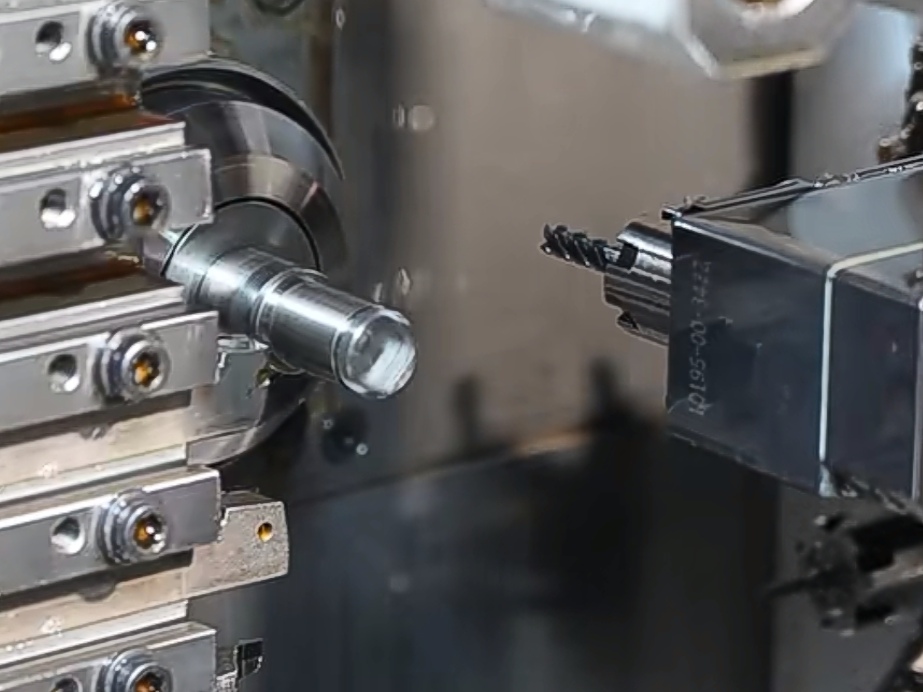
Swiss machining uses a sliding headstock to feed bar stock through a guide bushing while cutting tools work close to the support point. Unlike a conventional fixed-head lathe, the stock provides the Z-axis feed. Keeping the cutting force near the guide bushing reduces unsupported length and helps control deflection on small-diameter and high length-to-diameter parts.
A modern Swiss-type CNC lathe can combine main-spindle turning with cross drilling, end drilling, milling, slotting, threading, engraving, and sub-spindle back working. Independent tool groups and overlapping main/sub-spindle operations can complete most or all features in one automated cycle, reducing transfers between separate machines.
We use guide-bushing support, coordinated main and sub-spindles, and live tooling to control slender stock close to the cutting point. Our process planning balances bar preparation, guide-bushing fit, tool pressure, chip control, and cycle automation so small features remain stable across long production runs.
When should you choose Swiss Machining?
Choose Swiss CNC machining for small-diameter parts, long slender geometry, high length-to-diameter ratios, and components that combine turning with cross holes, flats, slots, milled features, axial holes, or fine threads. It is particularly valuable when the complete feature set must repeat across medium- or high-volume production.
A conventional fixed-head CNC lathe may be more economical for short, rigid parts, larger diameters, simple geometry, or very low quantities. Our review considers bar straightness and diameter, guide-bushing fit, usable gripping length, sub-spindle pickup, cutoff strategy, tooling capacity, chip control, inspection access, and annual volume before assigning the job to a Swiss platform.
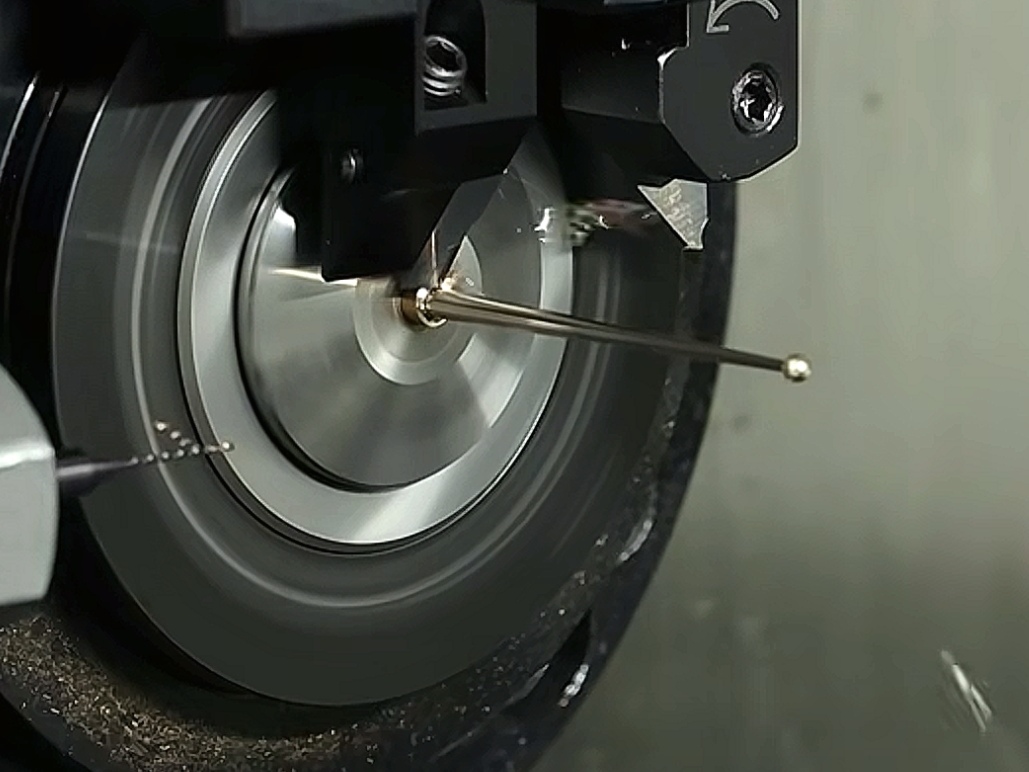
Custom Parts Made with Swiss Machining
Swiss-type machining is suited to small bar-fed components with closely related diameters, fine threads, and repeated secondary features. Guide-bushing support is especially useful for slender sections; short components may use a different support strategy.
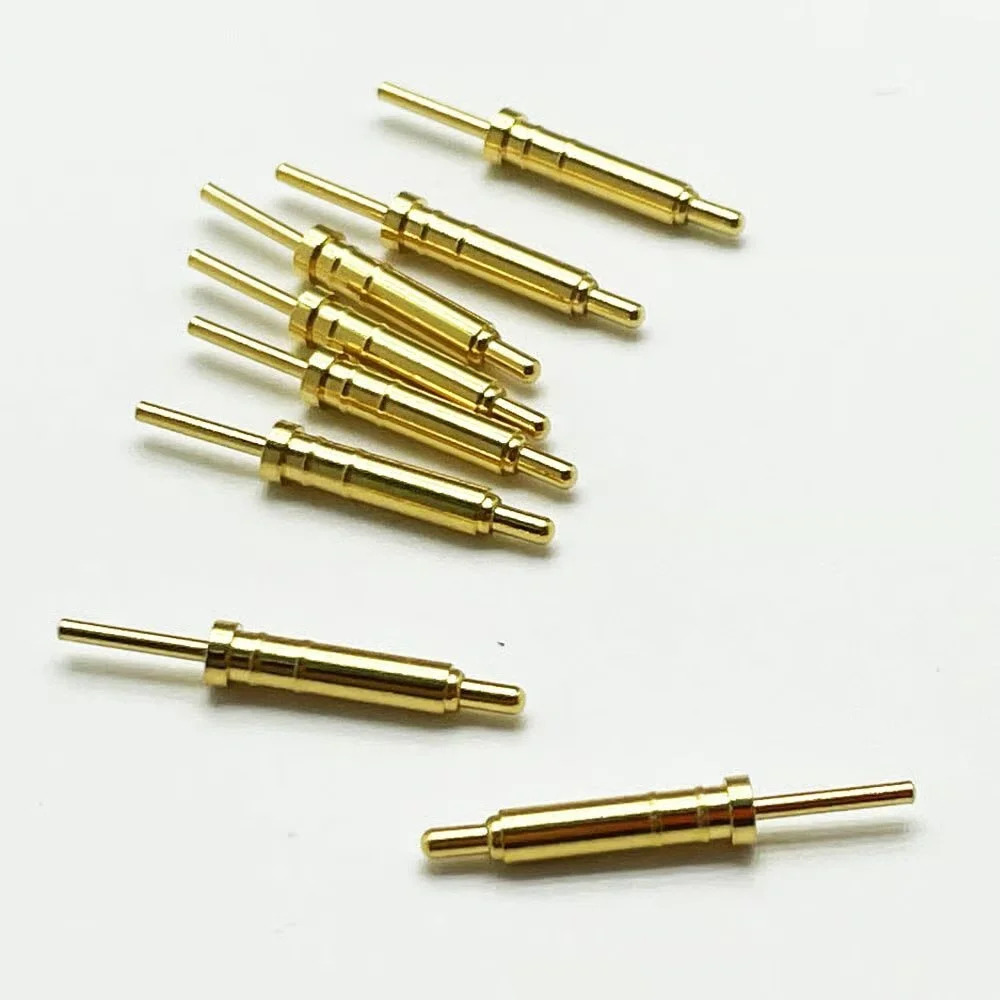
Miniature connector contacts
Small stepped diameters, narrow grooves, and fine end features suit a repeatable bar-fed sequence. Burr control and plating allowances are defined around the electrical mating surfaces.
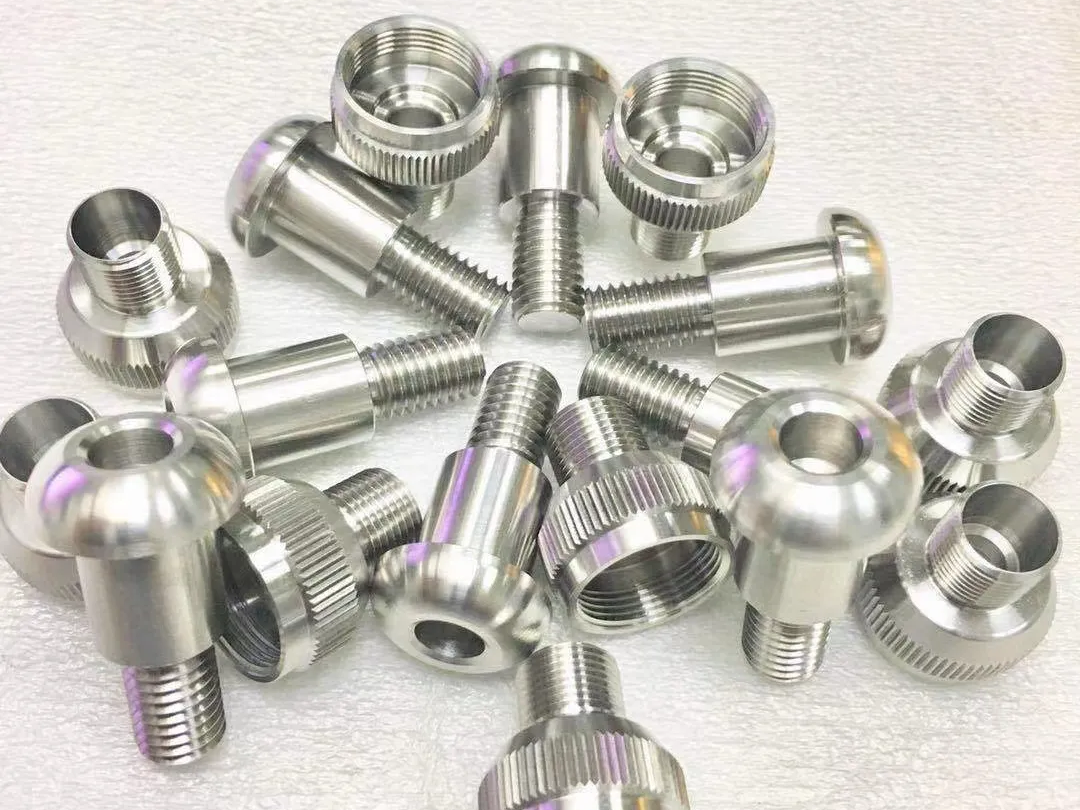
Small threaded fittings
Compact threaded bodies combine bores, shoulders, and wrenching features. Coordinated turning, drilling, and live-tool operations support repeat production with controlled thread and bore relationships.
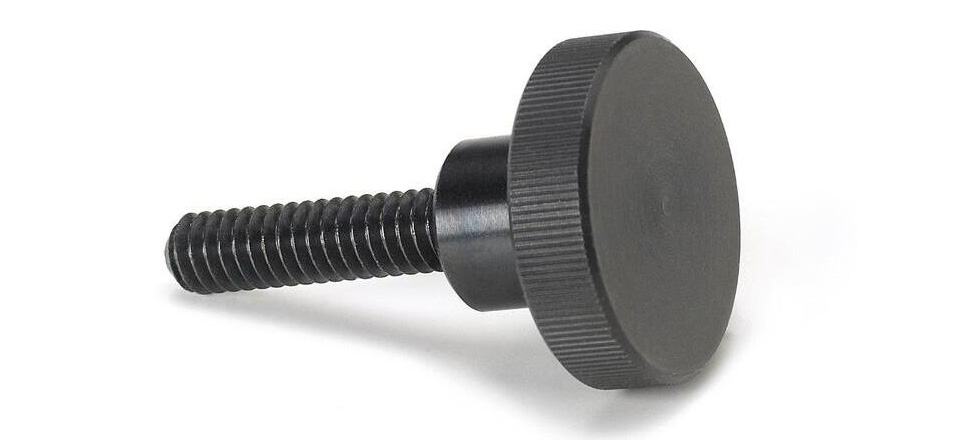
Knurled adjustment screws
A small screw can combine a turned shank, external thread, and knurled head in a bar-fed route. Head diameter, grip length, and cutoff access determine the practical setup.
Need a similar part? Share your drawing and quantity for a manufacturing quote.
Get QuoteMaterials for Swiss Machining
We evaluate material strength, dimensional stability, tool wear, achievable finish, corrosion resistance, certification needs, and lead time together. We also review how heat, residual stress, thin walls, and any post-machining treatment may change the finished dimensions.
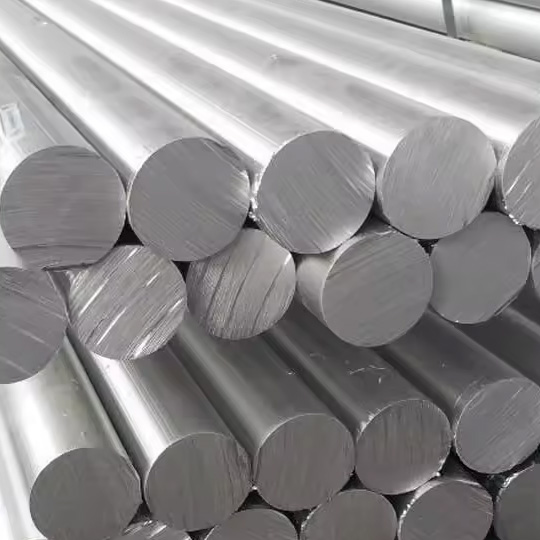
6061-T6
Common grades: 6061, 6082, 7075, 2024
We use 6061-T6 for many housings, cold plates, fixtures, and structural parts because it combines reliable machinability, moderate strength, corrosion resistance, and predictable anodizing response.
- Compressive strength
- ≈276 MPa
- Yield strength
- ≈276 MPa
- Density
- 2.70 g/cm³
- Elongation
- ≈12%
** Typical reference values for 6061-T6; condition, specification, temperature, and supplier data can change final properties.
View details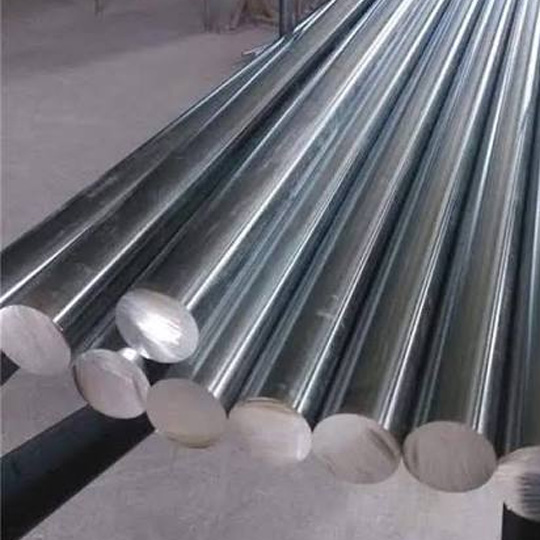
304 Stainless Steel
Common grades: 303, 304, 316, 316L, 17-4PH
We commonly select 304 when corrosion resistance, cleanability, weldability, and general mechanical performance are more important than the fastest cutting cycle.
- Compressive strength
- ≈215 MPa
- Yield strength
- ≈215 MPa
- Density
- 8.00 g/cm³
- Elongation
- ≈40%
** Typical reference values for 304 Stainless Steel; condition, specification, temperature, and supplier data can change final properties.
View details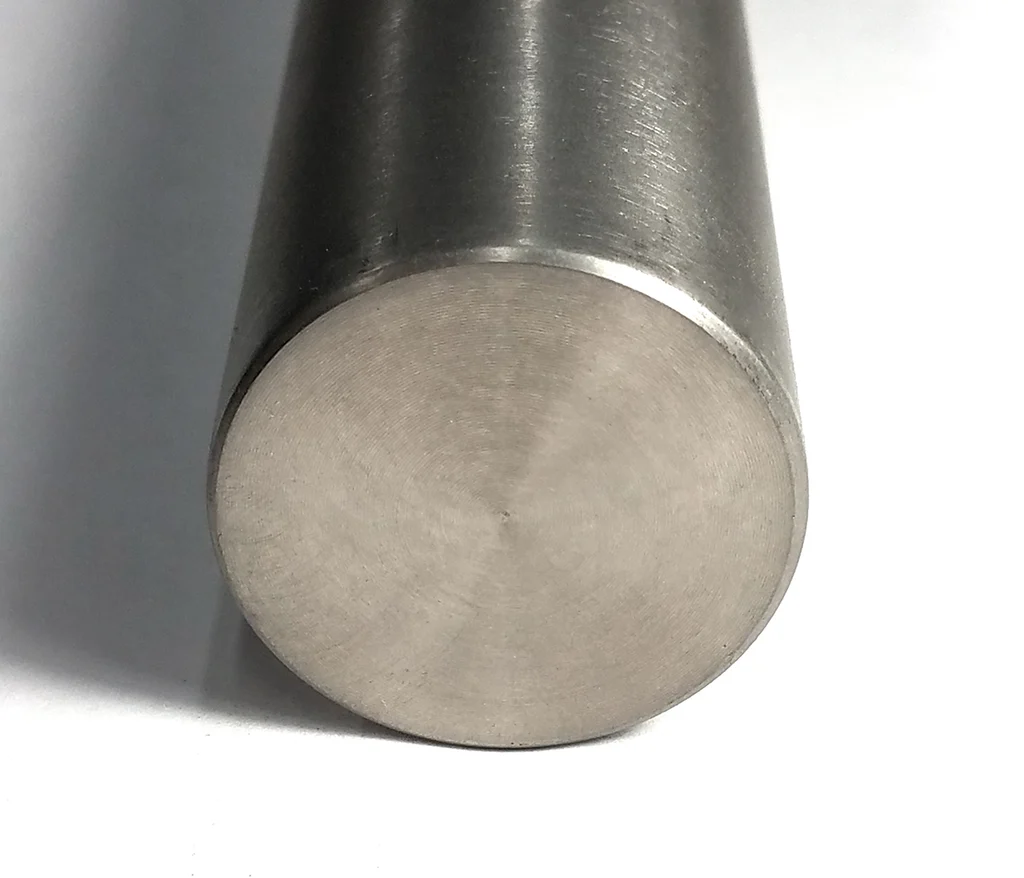
Grade 5 / Ti-6Al-4V
Common grades: Grade 2, Grade 5
We use Grade 5 titanium for high-strength, low-mass components. Its low thermal conductivity and springback require rigid setups, controlled tool engagement, and careful heat management.
- Compressive strength
- ≈970 MPa
- Yield strength
- ≈880 MPa
- Density
- 4.43 g/cm³
- Elongation
- ≈14%
** Typical reference values for Grade 5 / Ti-6Al-4V; condition, specification, temperature, and supplier data can change final properties.
View details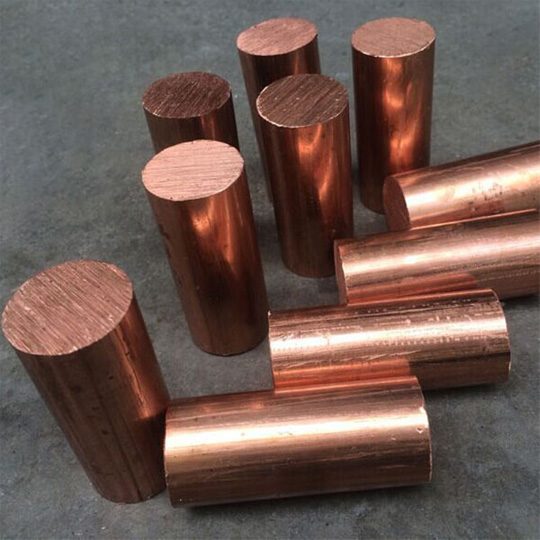
C360 Free-Cutting Brass
Common grades: C101, C110, C360, H59, H62
We use C360 for fittings, connector bodies, and precision hardware because it machines cleanly, supports fine threads, and provides useful conductivity and corrosion resistance.
- Compressive strength
- ≈310 MPa
- Yield strength
- ≈124 MPa
- Density
- 8.49 g/cm³
- Elongation
- ≈18%
** Typical reference values for C360 Free-Cutting Brass; condition, specification, temperature, and supplier data can change final properties.
View details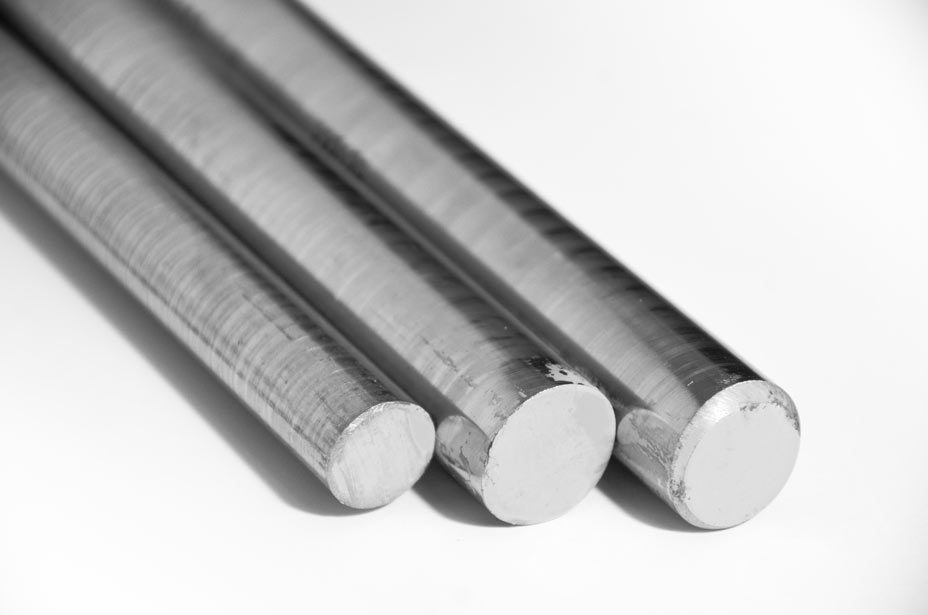
D2 Tool Steel, Hardened
Common grades: D2, H13, A2, SKD11
We use D2 for wear components, punches, dies, and tooling that need high hardness and dimensional stability. Machining and grinding routes depend strongly on the selected heat-treatment condition.
- Compressive strength
- ≈2,200 MPa
- Yield strength
- ≈1,650 MPa
- Density
- 7.70 g/cm³
- Elongation
- <1%
** Typical reference values for D2 Tool Steel, Hardened; condition, specification, temperature, and supplier data can change final properties.
View details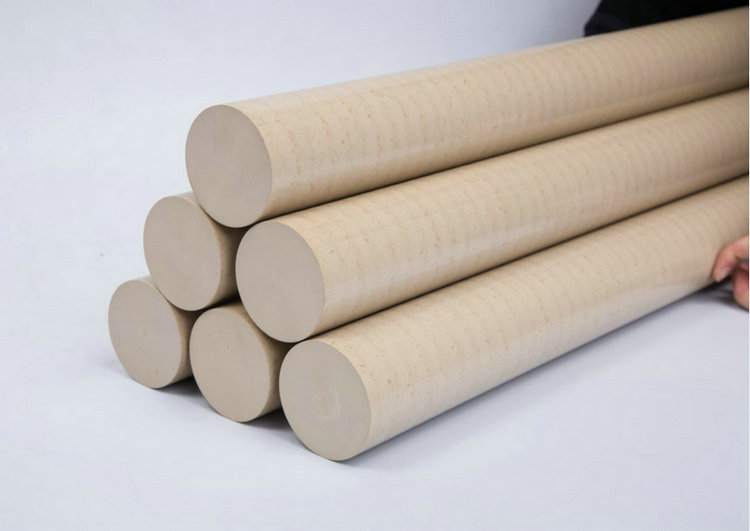
Unfilled PEEK
Common grades: PEEK, POM, PTFE, Nylon, PC
We use unfilled PEEK for insulating, low-mass, chemical-resistant, and high-temperature components. Tool sharpness, clamping force, heat, and moisture conditioning are controlled to limit distortion.
- Compressive strength
- ≈125 MPa
- Yield strength
- ≈100 MPa
- Density
- 1.30 g/cm³
- Elongation
- ≈20%
** Typical reference values for Unfilled PEEK; condition, specification, temperature, and supplier data can change final properties.
View detailsSwiss Machining Tolerances and Surface Roughness
Values are practical reference ranges. Drawing review confirms achievable tolerance for each material, feature size, and production volume.
| Feature | Typical | Precision option |
|---|---|---|
| Turned diameter | ±0.01 mm | ±0.005 mm |
| Concentricity | 0.015 mm | 0.008 mm |
| Length | ±0.03 mm | ±0.01 mm |
| Surface finish | Ra 0.8 μm | Ra 0.2 μm |
Have critical tolerances? Send your drawing so we can review feasibility and pricing.
Get QuoteFinishing Options for Swiss Machining
We select finishing around corrosion resistance, wear, appearance, conductivity, cleanliness, and identification requirements. We also account for coating thickness, masking, sealing faces, and whether drawing tolerances apply before or after treatment.
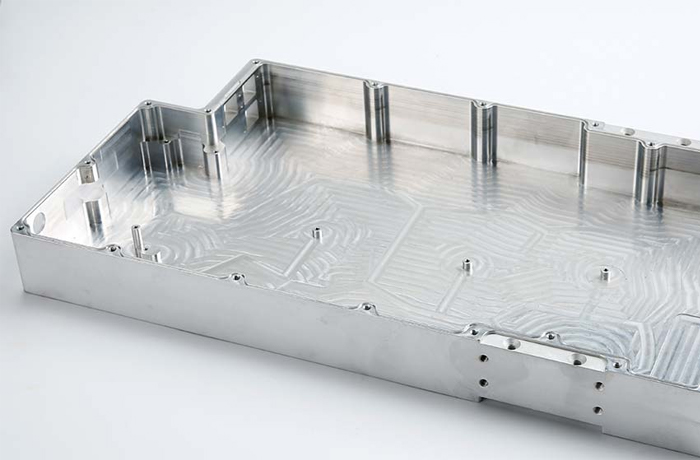
As machined
Raw machined surface with visible tool marks and feed lines, typically Ra 3.2–6.3 μm. No secondary processing means no dimensional change, lowest cost, and shortest lead time.
Specifications
- Materials
- Metals and engineering plastics
- Colors
- Natural material color
- Compatible processes
- Deburring, polishing, laser marking
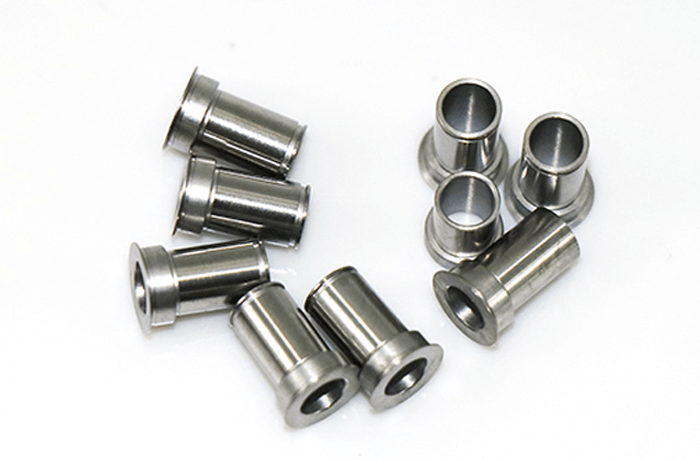
Passivation
Nitric or citric acid removes free iron and restores stainless steel’s chromium oxide layer. It improves pitting resistance without adding a coating or changing dimensions.
Specifications
- Materials
- Stainless steel
- Colors
- Natural metallic
- Compatible processes
- Bead blasting, polishing, electropolishing
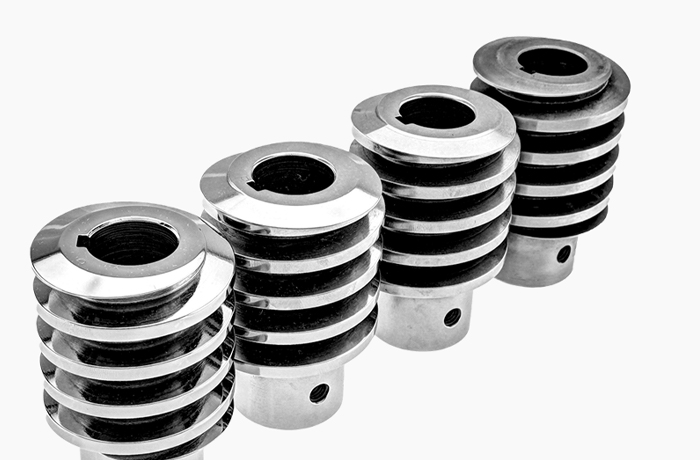
Electropolishing
Smooths stainless steel surfaces and improves cleanliness and corrosion resistance.
Specifications
- Materials
- Stainless steel
- Colors
- Bright metallic
- Compatible processes
- Passivation, cleaning, laser marking
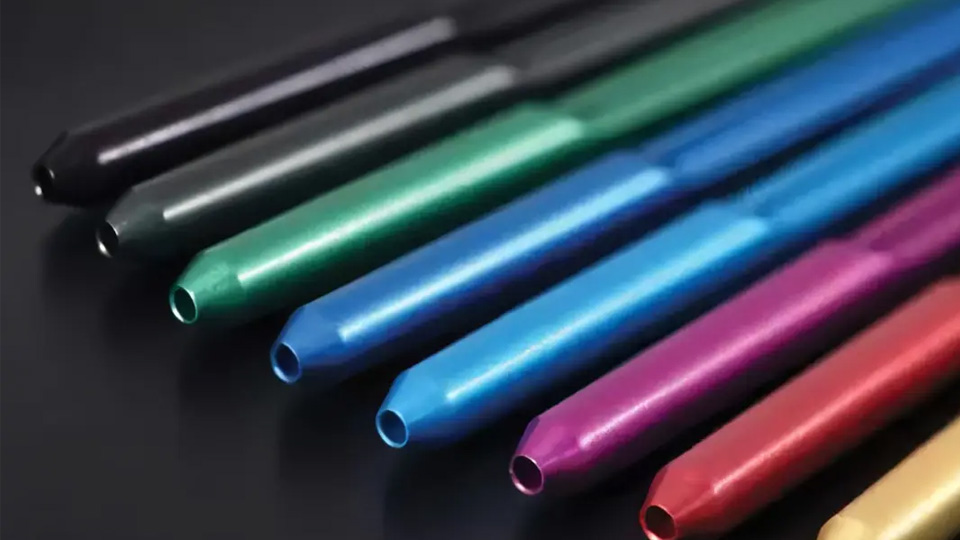
Anodizing
Electrolytic conversion creates a 5–25 μm porous oxide layer on aluminum. It improves corrosion resistance (200–500 hrs salt spray), reaches ~HV 300, enables color options, and provides electrical insulation with minimal dimensional change.
Specifications
- Materials
- Aluminum
- Colors
- Clear, black, grey, red, blue, gold
- Compatible processes
- Bead blasting, brushing, laser marking
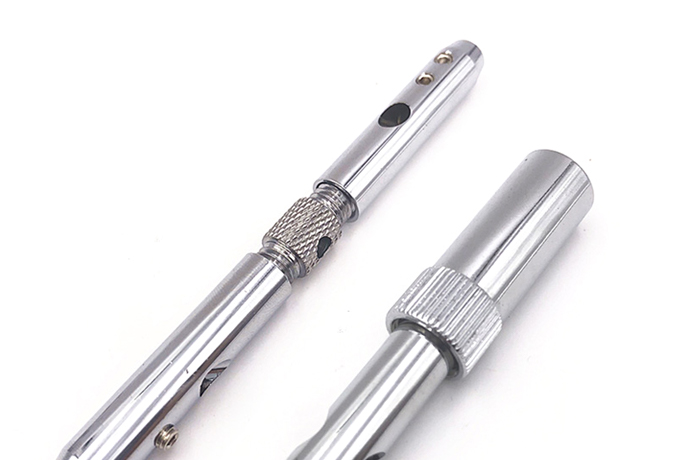
Nickel plating
Adds corrosion protection, wear resistance, and a controlled metallic finish.
Specifications
- Materials
- Steel, brass, copper
- Colors
- Bright or satin silver
- Compatible processes
- Polishing, copper undercoat, masking
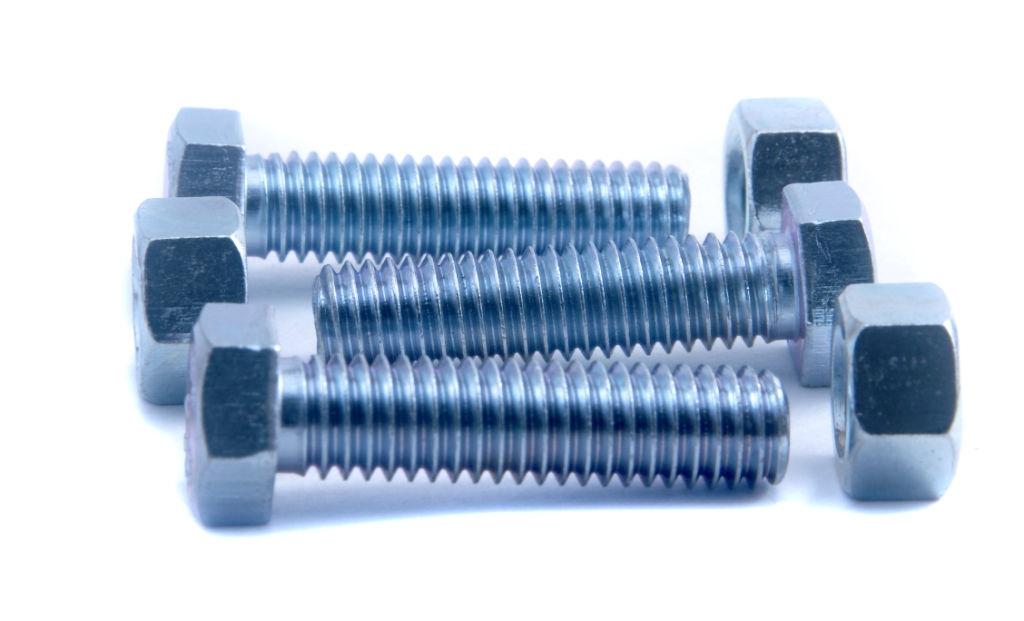
Tin plating
Supports solderability and electrical performance on compatible components.
Specifications
- Materials
- Copper, brass, steel
- Colors
- Silver-white
- Compatible processes
- Nickel undercoat, masking, polishing
Gold plating
Provides corrosion-resistant electrical contact performance on precision parts.
Specifications
- Materials
- Copper, brass, stainless steel
- Colors
- Gold
- Compatible processes
- Nickel undercoat, selective masking
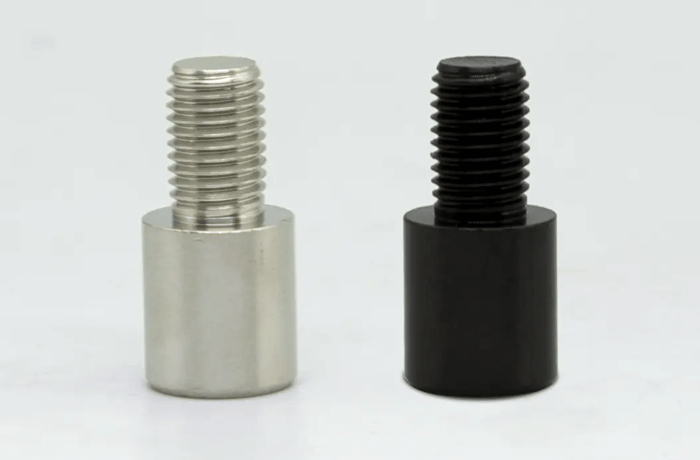
Black oxide
Chemical conversion forms a 0.5–1.5 μm black Fe₃O₄ film on steel. It adds a matte finish and mild corrosion protection with negligible dimensional change; oil sealing improves protection.
Specifications
- Materials
- Carbon steel, tool steel, stainless steel
- Colors
- Black
- Compatible processes
- Tumbling, polishing, oil sealing
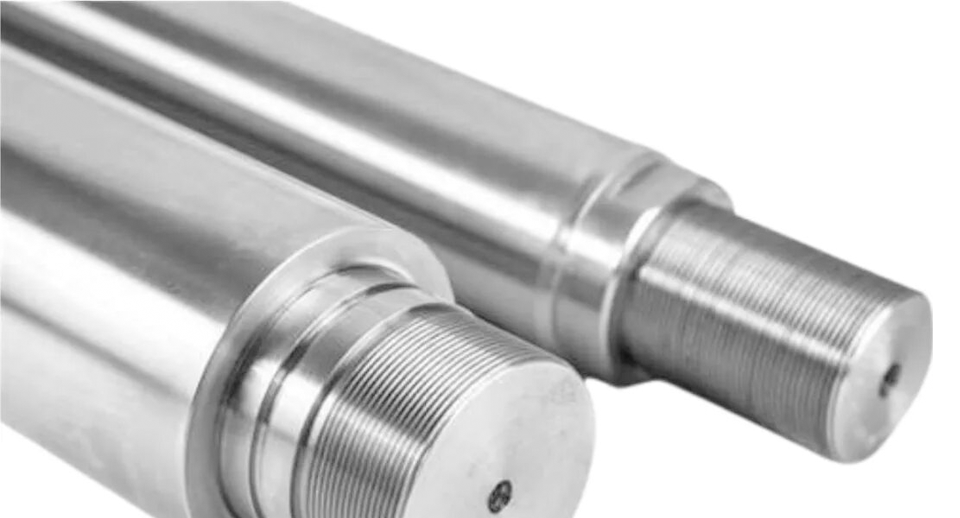
Deburring
Removes sharp edges and loose burrs while protecting critical dimensions.
Specifications
- Materials
- Metals and engineering plastics
- Colors
- No color change
- Compatible processes
- Tumbling, blasting, polishing
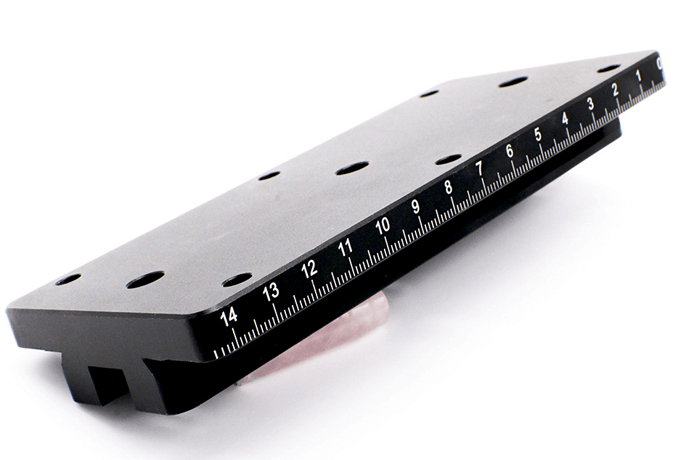
Laser marking
Surface oxidation or ablation creates permanent marks under 0.1 mm deep for serial numbers, QR codes, logos, and traceability. Marks resist wear and chemicals without weakening the part or affecting later processes.
Specifications
- Materials
- Most metals and selected plastics
- Colors
- Black, white, natural contrast
- Compatible processes
- Anodizing, plating, passivation
Quality Control for Swiss Machining Projects
We combine in-process checks with optical measurement, micrometers, air gauges, thread gauges, and dedicated fixtures suited to small components. Sampling frequency is based on tool wear and feature risk, allowing us to detect drift before it affects a full production lot.
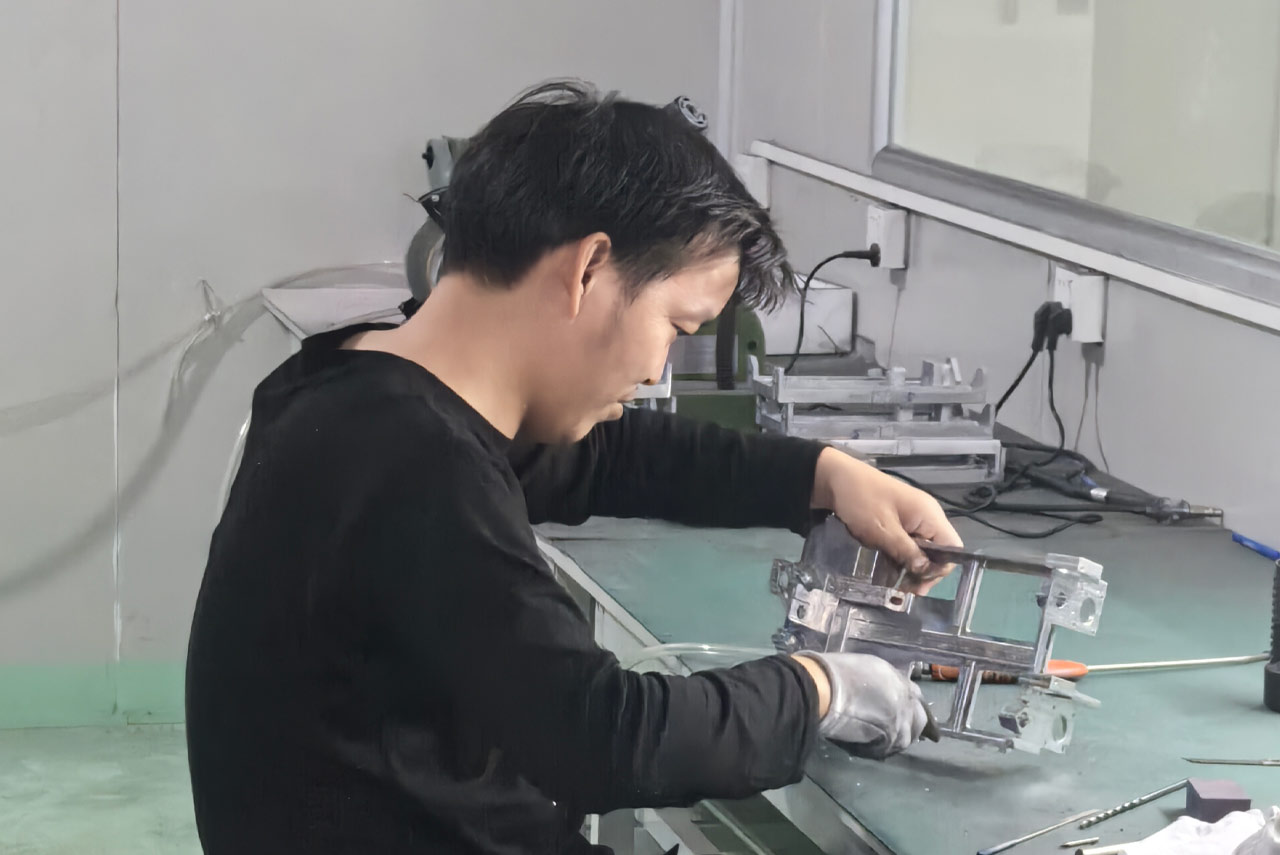
Coordinate Measuring Machine (CMM)
We use CMM inspection to verify datum relationships, position, profile, flatness, perpendicularity, and other geometric controls on complex parts. Measurement routines can be retained for repeat orders so we can compare results using a consistent inspection strategy.
Height Gauge Inspection
We use digital height gauges on controlled surface plates to check step heights, hole locations, shoulders, parallel features, and datum-based dimensions. This method supports efficient in-process verification as well as final inspection of accessible features.
Dimensional Inspection
We verify diameters, lengths, threads, grooves, radii, runout, and feature-to-feature dimensions with calibrated micrometers, calipers, bore gauges, pin gauges, thread gauges, optical systems, and dedicated fixtures selected for the drawing requirement.
Visual and Surface Inspection
We inspect machined and finished surfaces for burrs, scratches, dents, contamination, coating consistency, color variation, marking quality, and protected critical faces. Approved samples and drawing notes guide cosmetic acceptance when appearance matters.
Need inspection reports or material certificates? Include your requirements when requesting a quote.
Get QuoteIndustries and Applications for Swiss Machining
We support medical, electronics, fluid-control, automotive-sensor, and semiconductor applications where small size does not reduce functional demands. Our attention stays on diameter consistency, clean edge condition, reliable threads, and predictable fit in automated assemblies.
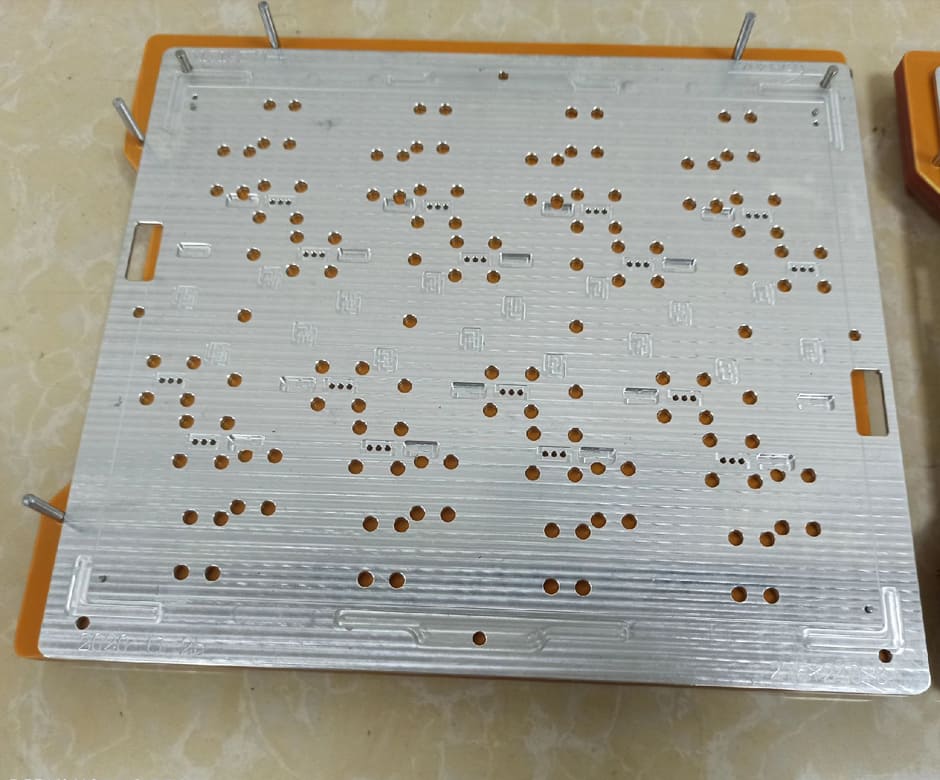
Medical devices
We manufacture compact medical components where material documentation, fine features, clean surfaces, and repeatable inspection support reliable use.
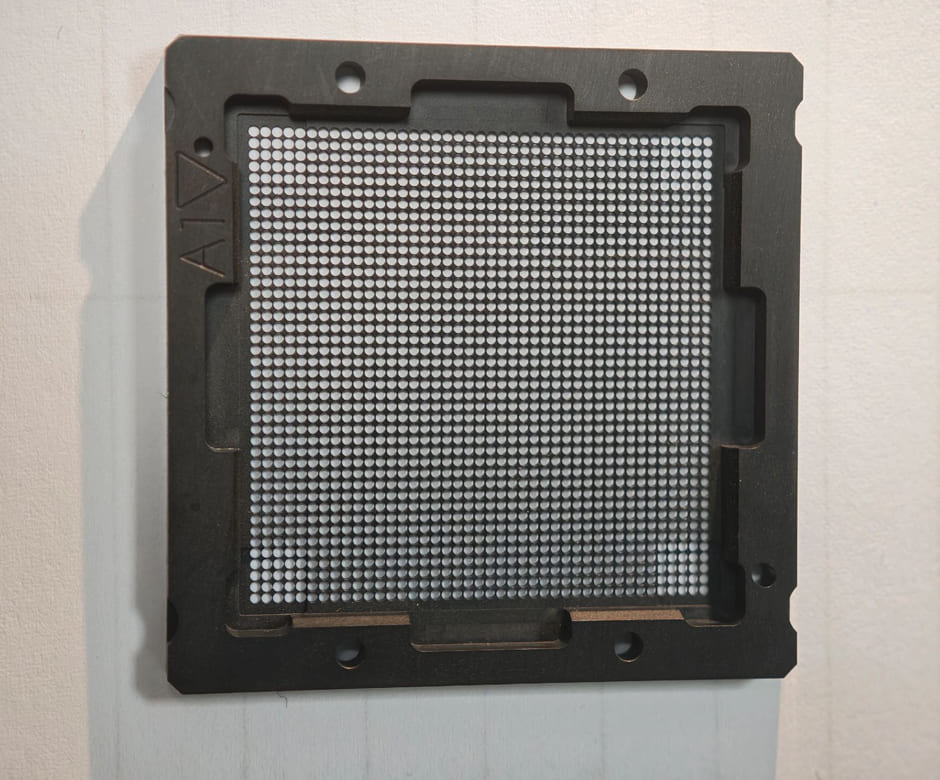
Electronic connectors
We produce contacts, terminals, threaded bodies, and miniature interfaces with controlled dimensions, plating allowances, and high-volume repeatability.
Semiconductor equipment
We produce vacuum, positioning, gas-delivery, and wafer-handling components with stable datums, controlled surfaces, and inspection suited to clean process equipment.
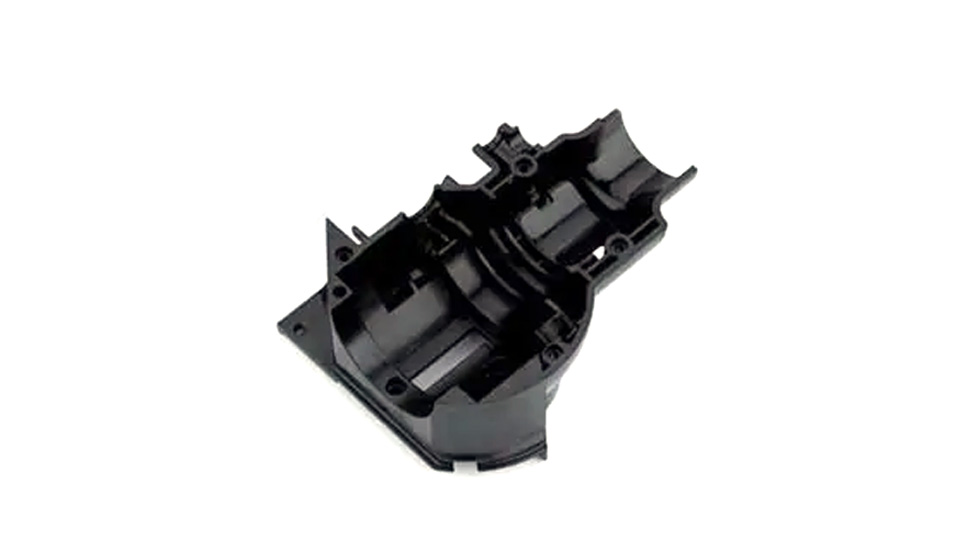
Micro fluid control
We manufacture precision components for micro fluid control with process planning and inspection matched to functional requirements.
Why Choose Plyconn for Swiss Machining?
We combine early DFM feedback, controlled production, and drawing-based inspection so our customers receive practical answers before material is committed and traceable results after machining is complete.
Engineering review
DFM feedback identifies tolerance, tool access, material, and finishing risks before production.
One accountable team
Machining, secondary operations, inspection, and delivery are coordinated through one project team.
Production consistency
Documented setups and inspection plans support repeat orders from pilot runs through stable production.
Questions About Swiss Machining Services
These answers cover the process questions that most often affect design review, quotation, and manufacturing route selection.
What is Swiss machining?
Swiss machining uses a sliding headstock to feed bar stock through a guide bushing while the cutting tools work close to the support point. Modern Swiss-type lathes add live tooling, a C-axis, and a sub-spindle so turned and milled features can often be completed in one automated cycle.
How is Swiss machining different from conventional CNC turning?
A conventional fixed-head lathe holds the stock in a stationary spindle and moves the tools along the part. A Swiss-type machine moves the stock in the Z direction and supports it close to the cut. This helps control deflection on slender parts and enables dense front, side, and back features in a single process.
What parts are best suited to a Swiss machining service?
Strong candidates include small-diameter shafts, pins, bushings, threaded components, contacts, valve parts, medical fasteners, dental components, and other miniature parts with a high length-to-diameter ratio or multiple cross holes, slots, flats, and threads.
Which materials can Plyconn Swiss machine?
Common options include stainless steel, carbon and alloy steel, aluminum, brass, copper, titanium, and selected engineering plastics. Final feasibility depends on bar availability, diameter tolerance, feature size, tool access, surface finish, and production quantity.
What information is needed for a Swiss machining quote?
Send a 3D CAD model and 2D drawing with material, quantity, critical tolerances, surface finish, thread requirements, inspection needs, and any plating or passivation. Annual volume and expected release size help us assess bar stock, tooling, automation, and the most economical production plan.
Discuss Your Swiss Machining Project
Send us your drawing, material, quantity, and quality requirements.
We’ll help define the next step.