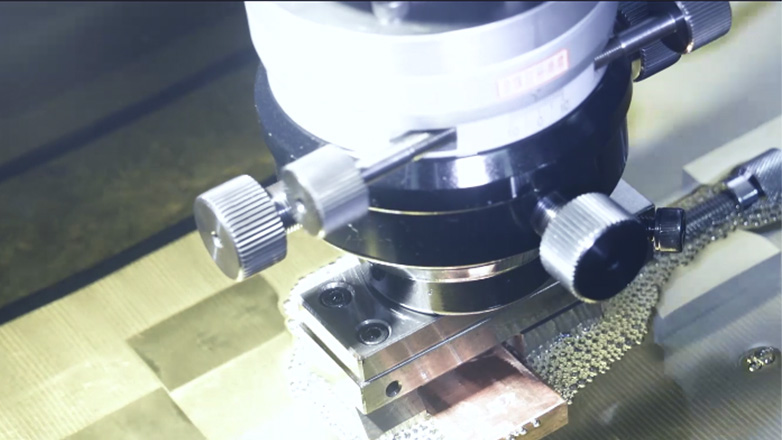
Electrical Discharge Machining Services
Our electrical discharge machining service produces precision profiles, narrow slots, blind cavities, small holes, and hard-material features in conductive materials without direct cutting force. We review every drawing to match the process, workholding, tooling, and inspection plan to the part rather than forcing the design into a standard route.
Electrical Discharge Machining Capabilities
We support development builds, validation lots, and repeat production with a documented process route. We select wire EDM or sinker EDM according to whether the design requires a through profile, blind cavity, narrow slot, sharp internal corner, or hard-material feature. We plan electrode or wire paths, skim passes, flushing, start holes, and stock allowance to balance accuracy, surface integrity, and lead time.
- Wire diameter
- Ø0.10 to Ø0.30 mm
- Cutting thickness
- Up to 300 mm
- Precision features
- Down to ±0.005 mm
- Material hardness
- No practical hardness limit
- Supported materials
- 30+ Grades
- Surface finishes
- 9+ Options
- Quality system
- ISO 9001
- Inspection reporting
- CMM Reports
Choosing the Right Process for Electrical Discharge Machining
Not every component needs the most advanced process. Geometry, feature access, tolerance relationships, material, and production cost should determine the route.
Why Use an Electrical Discharge Machining Service?
EDM is most valuable when conductivity, material condition, geometry, and surface requirements make conventional cutting inefficient or impractical. We select the process for a specific manufacturing advantage—not simply because the part is hard.
Machine hardness without cutting force
EDM removes material by controlled thermal erosion rather than mechanical shearing, so hardened tool steel, carbide, and other conductive hard materials can be processed without conventional cutting loads.
Reach geometry cutters cannot
Wire and shaped electrodes can create narrow slots, deep ribs, small holes, precision through profiles, and internal details that are limited by cutter diameter or tool access.
Protect delicate features
The non-contact process minimizes machining force on thin walls, fine sections, small features, and low-rigidity components, provided heat input and flushing are controlled.
Cut after heat treatment
Punches, dies, inserts, and other tooling can be finished in the hardened condition, helping avoid dimensional change from machining before heat treatment.
Control accuracy through staged passes
Roughing, semi-finishing, skim cuts, and finish burns use progressively lower discharge energy to balance removal rate, geometry, surface roughness, and recast-layer requirements.
Reduce dedicated tooling for prototypes
Wire EDM can produce low-volume precision profiles directly from programmed geometry, which is useful for development parts, trial tooling, design changes, and small batches.
Electrical Discharge Machining Accuracy and Surface Integrity
Stable electrical discharge machining depends on more than machine positioning. Spark energy, working gap, dielectric condition, flushing, electrode wear, wire offset, and finish strategy all influence dimensional accuracy and the final surface.
Discharge gap and spark stability
Servo control maintains the working gap so sparks remain pulsed and localized rather than developing into a damaging continuous arc or short circuit.
Pulse energy and polarity
Peak current, pulse-on time, pulse-off time, voltage, frequency, and polarity are selected to balance removal rate, electrode wear, corner detail, surface finish, and thermal effect.
Dielectric condition and flushing
Clean oil or deionized water must cool the gap and remove eroded particles. Flushing access, cut depth, cavity area, and filtration are reviewed to prevent unstable discharge and taper.
Electrode and wire compensation
Wire offset, spark gap, electrode undersize, wear pattern, and orbital motion are built into the process plan so programmed geometry translates into the required final dimensions.
Surface integrity management
Finish passes and, when required, polishing or other secondary operations control roughness, recast layer, microcrack risk, edge condition, and fatigue-sensitive surfaces.
Profile and cavity inspection
Optical systems, CMM measurement, gauges, and surface checks verify contours, slots, radii, tapers, cavity depth, hole position, and critical datum relationships.
What is Electrical Discharge Machining?
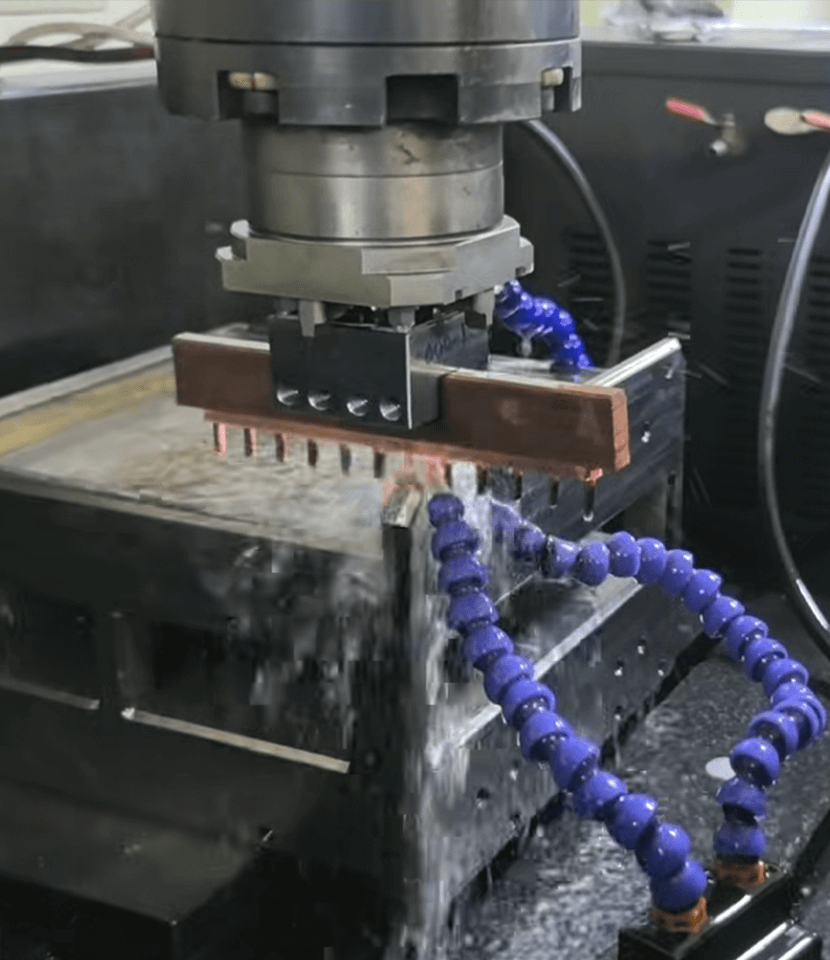
Electrical discharge machining removes electrically conductive material through a controlled series of pulsed sparks between an electrode and the workpiece. Each discharge creates intense localized heat that melts or vaporizes a minute volume of material while a dielectric fluid cools the gap and carries away debris.
The electrode does not make mechanical contact with the workpiece. This makes EDM valuable for hardened tool steels, carbide, delicate sections, narrow slots, sharp internal geometry, deep cavities, and small holes that are difficult or impractical to produce with a rotating cutter.
We select wire EDM or sinker EDM according to whether the design requires a through profile, blind cavity, narrow slot, sharp internal corner, or hard-material feature. We plan electrode or wire paths, skim passes, flushing, start holes, and stock allowance to balance accuracy, surface integrity, and lead time.
When should you choose Electrical Discharge Machining?
Choose an electrical discharge machining service when the material is conductive and the part requires precise through profiles, narrow kerfs, fine slots, blind cavities, small start holes, or features in hardened material. Wire EDM is used for cut-through geometry, sinker EDM for blind or three-dimensional cavities, and hole-drilling EDM for small deep holes and wire start holes.
EDM is normally slower than conventional machining and can create an altered or recast surface layer. We therefore compare geometry, hardness, access, surface-integrity requirements, electrode cost, flushing conditions, and production quantity before selecting EDM or a combined CNC and EDM route.
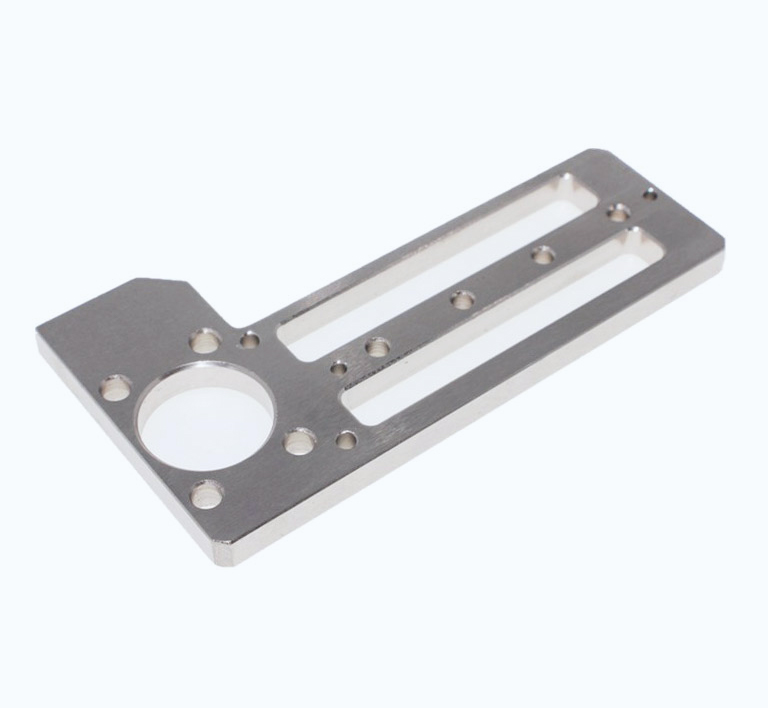
Custom Parts Made with Electrical Discharge Machining
EDM is selected for electrically conductive parts whose hardness, internal profiles, or narrow features limit conventional cutting. Wire EDM follows through-profiles; sinker EDM forms cavities with a shaped electrode. Access, corner radii, flushing, and surface integrity determine the route.
Wire-cut profile plates
Through-slots, openings, and external profiles can be cut without a conventional tool pushing against the workpiece. Wire entry, retained sections, and the required corner radius are checked during review.
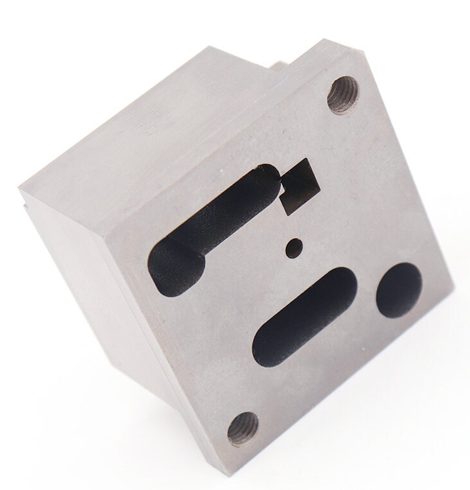
Keyway and slot inserts
Narrow internal profiles in conductive tooling can suit wire EDM when the wire can pass through the section. The wire diameter and spark gap set the achievable internal corner geometry.
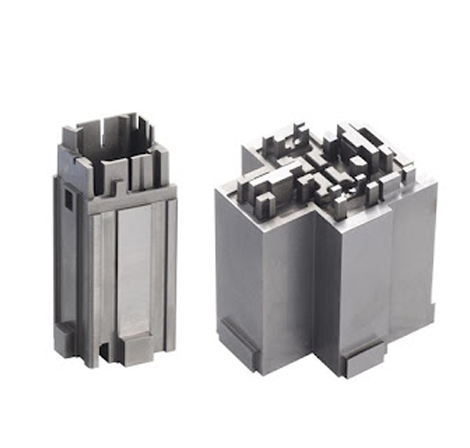
Die and cavity inserts
Deep or difficult-to-reach cavities can suit sinker EDM with a dedicated electrode. Electrode access, wear compensation, flushing, and any polishing or recast-layer removal are planned together.
Need a similar part? Share your drawing and quantity for a manufacturing quote.
Get QuoteMaterials for Electrical Discharge Machining
We evaluate material strength, dimensional stability, tool wear, achievable finish, corrosion resistance, certification needs, and lead time together. We also review how heat, residual stress, thin walls, and any post-machining treatment may change the finished dimensions.
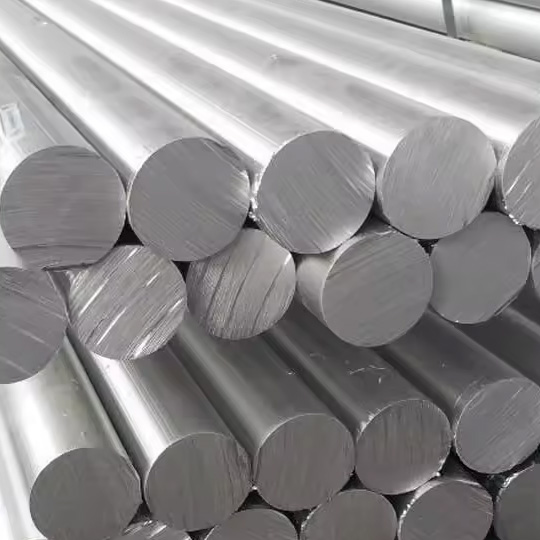
6061-T6
Common grades: 6061, 6082, 7075, 2024
We use 6061-T6 for many housings, cold plates, fixtures, and structural parts because it combines reliable machinability, moderate strength, corrosion resistance, and predictable anodizing response.
- Compressive strength
- ≈276 MPa
- Yield strength
- ≈276 MPa
- Density
- 2.70 g/cm³
- Elongation
- ≈12%
** Typical reference values for 6061-T6; condition, specification, temperature, and supplier data can change final properties.
View details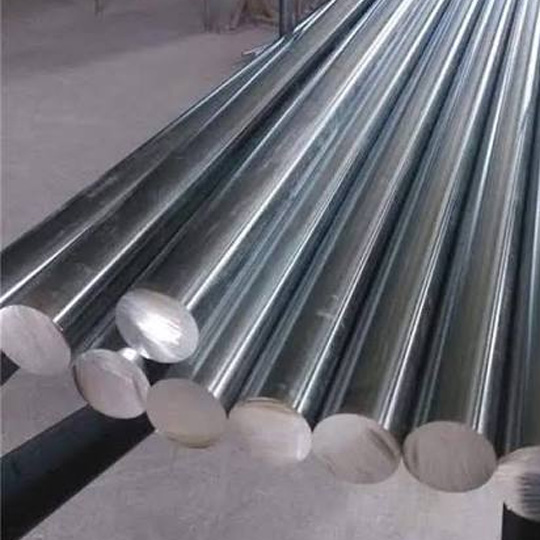
304 Stainless Steel
Common grades: 303, 304, 316, 316L, 17-4PH
We commonly select 304 when corrosion resistance, cleanability, weldability, and general mechanical performance are more important than the fastest cutting cycle.
- Compressive strength
- ≈215 MPa
- Yield strength
- ≈215 MPa
- Density
- 8.00 g/cm³
- Elongation
- ≈40%
** Typical reference values for 304 Stainless Steel; condition, specification, temperature, and supplier data can change final properties.
View details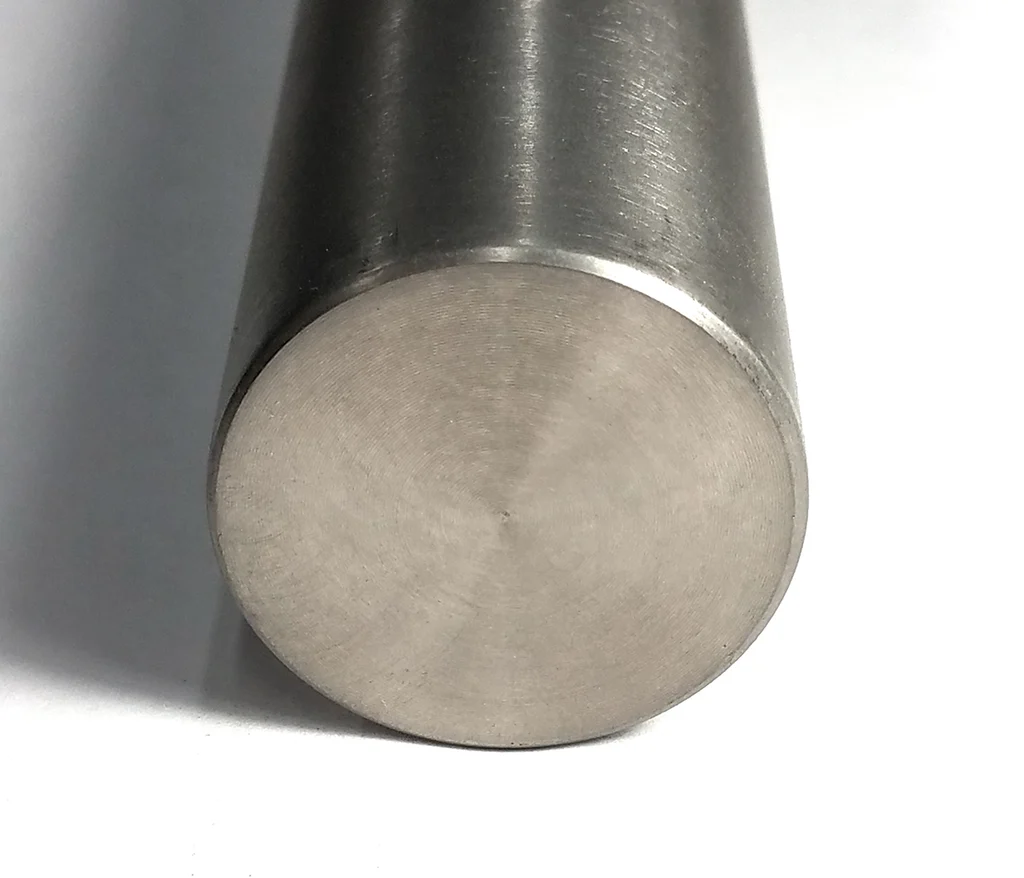
Grade 5 / Ti-6Al-4V
Common grades: Grade 2, Grade 5
We use Grade 5 titanium for high-strength, low-mass components. Its low thermal conductivity and springback require rigid setups, controlled tool engagement, and careful heat management.
- Compressive strength
- ≈970 MPa
- Yield strength
- ≈880 MPa
- Density
- 4.43 g/cm³
- Elongation
- ≈14%
** Typical reference values for Grade 5 / Ti-6Al-4V; condition, specification, temperature, and supplier data can change final properties.
View details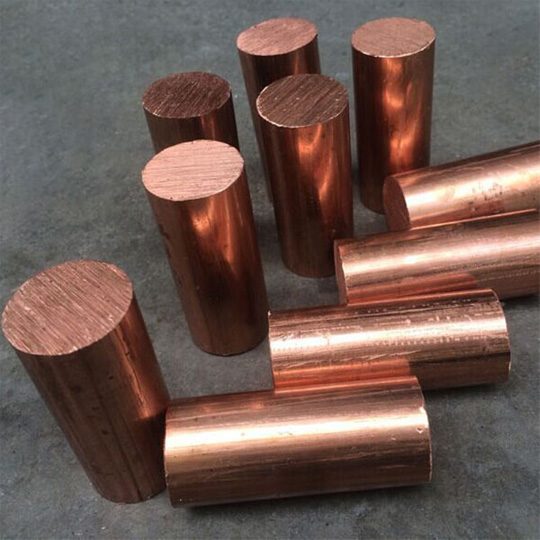
C360 Free-Cutting Brass
Common grades: C101, C110, C360, H59, H62
We use C360 for fittings, connector bodies, and precision hardware because it machines cleanly, supports fine threads, and provides useful conductivity and corrosion resistance.
- Compressive strength
- ≈310 MPa
- Yield strength
- ≈124 MPa
- Density
- 8.49 g/cm³
- Elongation
- ≈18%
** Typical reference values for C360 Free-Cutting Brass; condition, specification, temperature, and supplier data can change final properties.
View details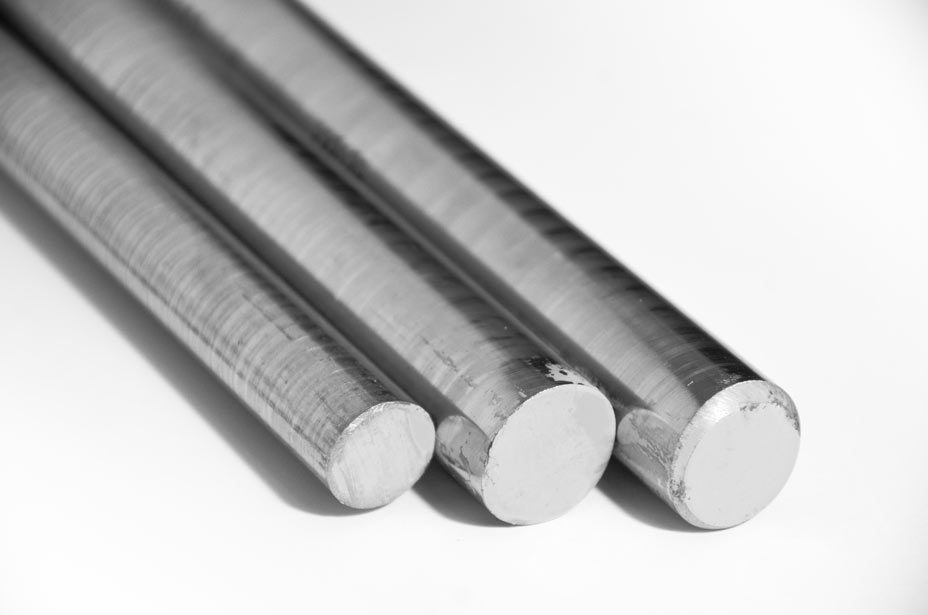
D2 Tool Steel, Hardened
Common grades: D2, H13, A2, SKD11
We use D2 for wear components, punches, dies, and tooling that need high hardness and dimensional stability. Machining and grinding routes depend strongly on the selected heat-treatment condition.
- Compressive strength
- ≈2,200 MPa
- Yield strength
- ≈1,650 MPa
- Density
- 7.70 g/cm³
- Elongation
- <1%
** Typical reference values for D2 Tool Steel, Hardened; condition, specification, temperature, and supplier data can change final properties.
View details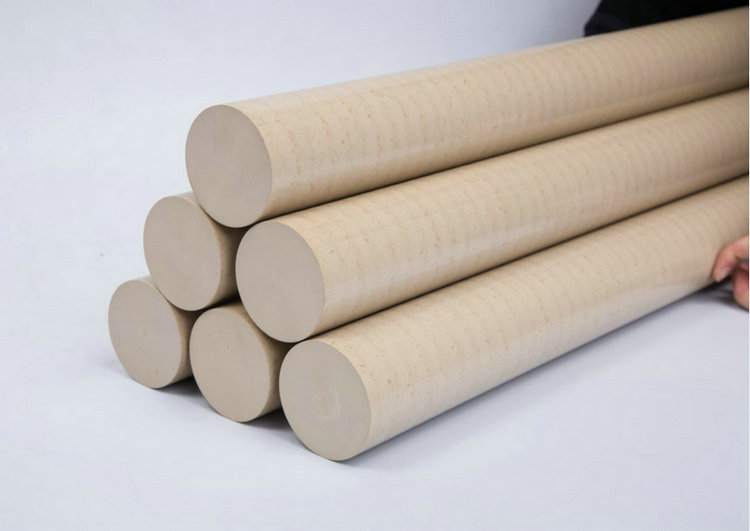
Unfilled PEEK
Common grades: PEEK, POM, PTFE, Nylon, PC
We use unfilled PEEK for insulating, low-mass, chemical-resistant, and high-temperature components. Tool sharpness, clamping force, heat, and moisture conditioning are controlled to limit distortion.
- Compressive strength
- ≈125 MPa
- Yield strength
- ≈100 MPa
- Density
- 1.30 g/cm³
- Elongation
- ≈20%
** Typical reference values for Unfilled PEEK; condition, specification, temperature, and supplier data can change final properties.
View detailsElectrical Discharge Machining Tolerances and Surface Roughness
Values are practical reference ranges. Drawing review confirms achievable tolerance for each material, feature size, and production volume.
| Feature | Typical | Precision option |
|---|---|---|
| Profile accuracy | ±0.01 mm | ±0.005 mm |
| Inside corner radius | R0.15 mm | R0.06 mm |
| Straightness | 0.02 mm / 100 mm | 0.01 mm / 100 mm |
| Surface finish | Ra 1.6 μm | Ra 0.2 μm |
Have critical tolerances? Send your drawing so we can review feasibility and pricing.
Get QuoteFinishing Options for Electrical Discharge Machining
We select finishing around corrosion resistance, wear, appearance, conductivity, cleanliness, and identification requirements. We also account for coating thickness, masking, sealing faces, and whether drawing tolerances apply before or after treatment.
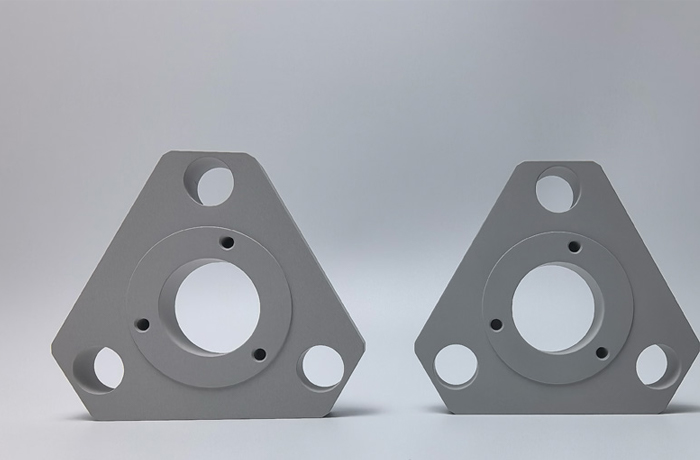
EDM finish
Retains the controlled spark-eroded texture when no secondary finish is required.
Specifications
- Materials
- Conductive metals
- Colors
- Natural grey
- Compatible processes
- Micro polishing, passivation, coating
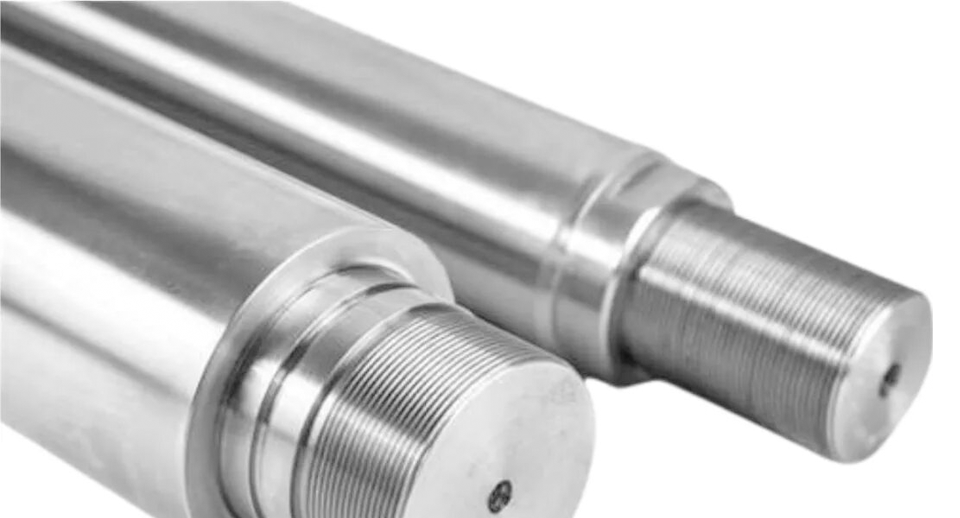
Micro polishing
Reduces localized roughness on small cavities, profiles, and sealing details.
Specifications
- Materials
- Steel, stainless steel, carbide
- Colors
- Natural bright finish
- Compatible processes
- EDM, lapping, PVD coating
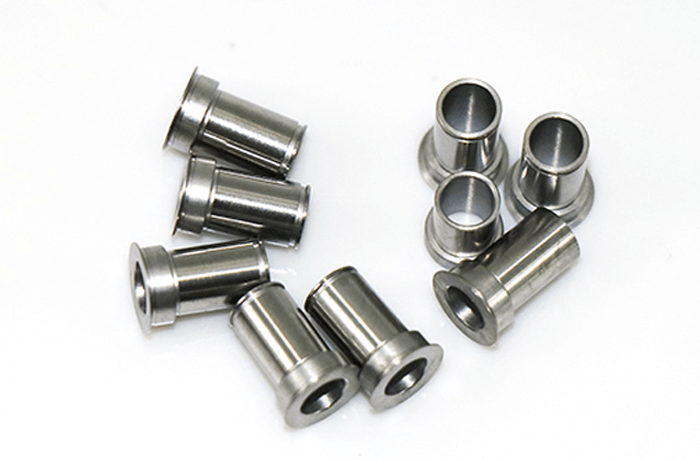
Passivation
Nitric or citric acid removes free iron and restores stainless steel’s chromium oxide layer. It improves pitting resistance without adding a coating or changing dimensions.
Specifications
- Materials
- Stainless steel
- Colors
- Natural metallic
- Compatible processes
- Bead blasting, polishing, electropolishing
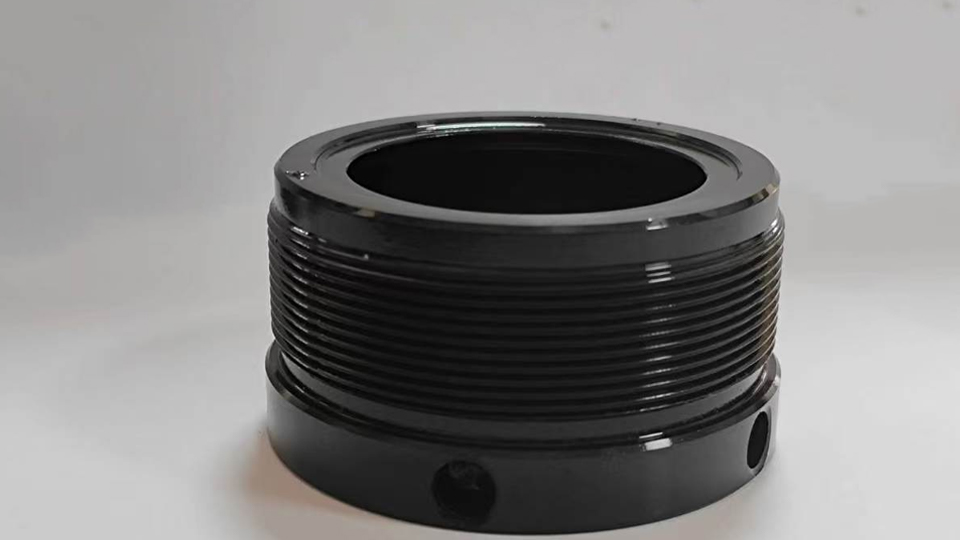
Black oxide
Chemical conversion forms a 0.5–1.5 μm black Fe₃O₄ film on steel. It adds a matte finish and mild corrosion protection with negligible dimensional change; oil sealing improves protection.
Specifications
- Materials
- Carbon steel, tool steel, stainless steel
- Colors
- Black
- Compatible processes
- Tumbling, polishing, oil sealing
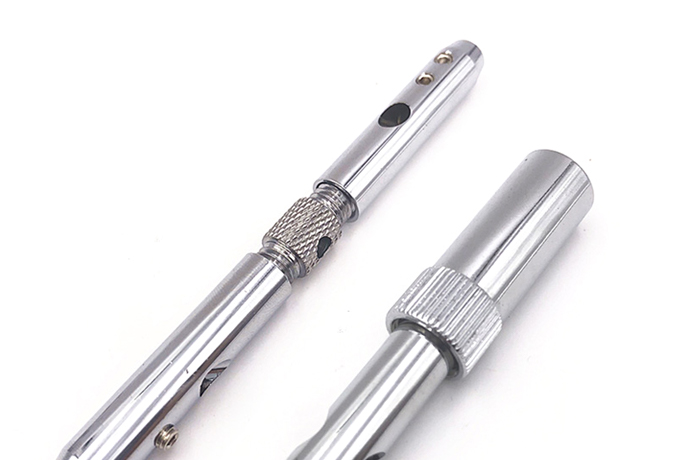
Nickel plating
Adds corrosion protection, wear resistance, and a controlled metallic finish.
Specifications
- Materials
- Steel, brass, copper
- Colors
- Bright or satin silver
- Compatible processes
- Polishing, copper undercoat, masking
PVD coating
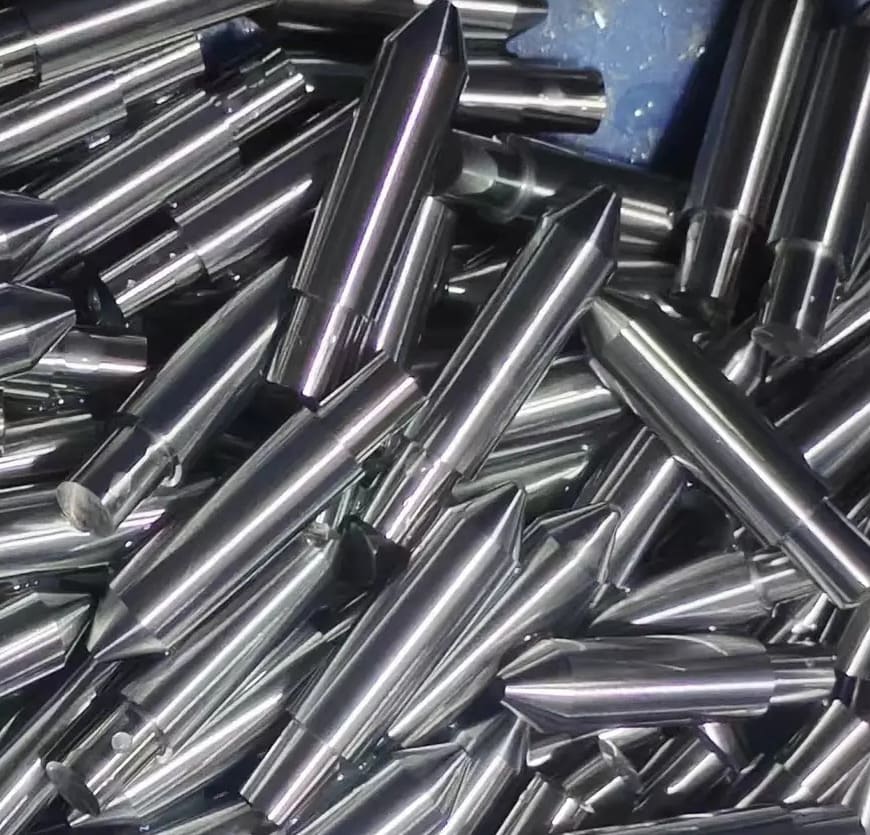
Adds a thin, hard, wear-resistant coating with minimal dimensional change.
Specifications
- Materials
- Tool steel, stainless steel, carbide
- Colors
- Black, gold, bronze, grey
- Compatible processes
- Polishing, heat treatment, masking
Heat treatment
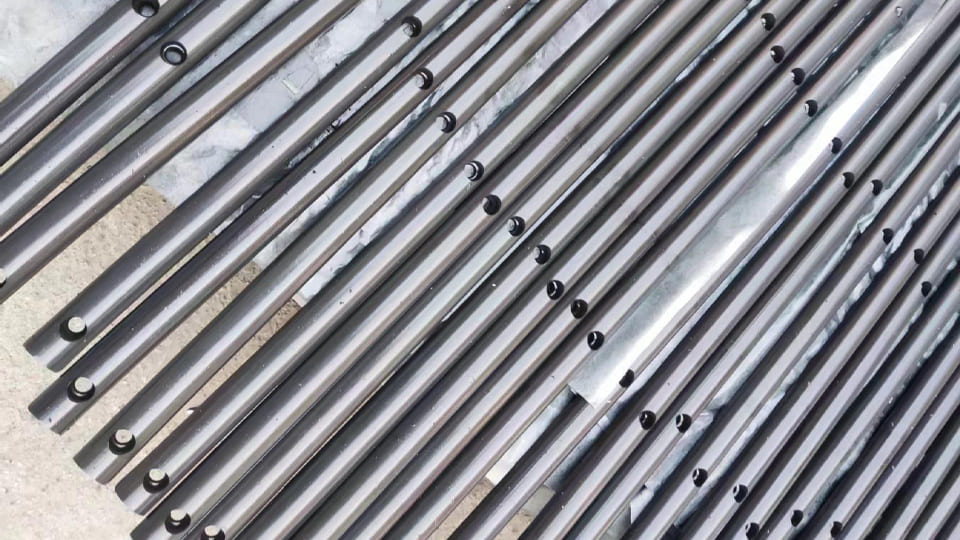
Adjusts hardness, strength, wear resistance, or dimensional stability.
Specifications
- Materials
- Steel, aluminum, titanium alloys
- Colors
- Process dependent
- Compatible processes
- Grinding, black oxide, PVD coating
Cryogenic treatment
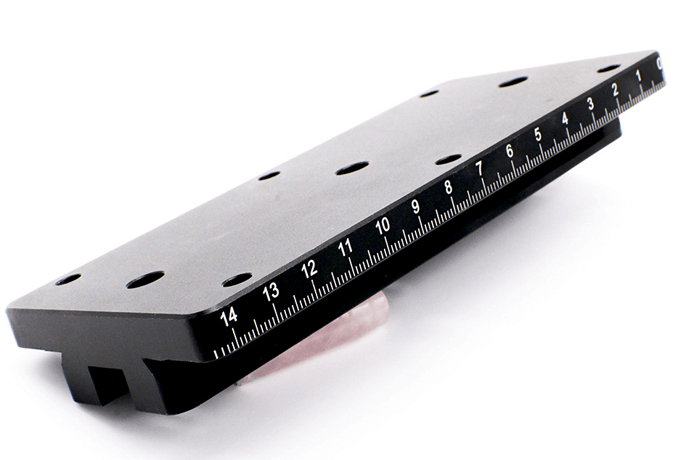
Supports dimensional stability and wear performance on selected tool steels.
Specifications
- Materials
- Tool steel and wear alloys
- Colors
- No intentional color change
- Compatible processes
- Heat treatment, grinding, polishing
Laser marking
Surface oxidation or ablation creates permanent marks under 0.1 mm deep for serial numbers, QR codes, logos, and traceability. Marks resist wear and chemicals without weakening the part or affecting later processes.
Specifications
- Materials
- Most metals and selected plastics
- Colors
- Black, white, natural contrast
- Compatible processes
- Anodizing, plating, passivation
Quality Control for Electrical Discharge Machining Projects
We verify profiles, slots, radii, cavity depth, and feature relationships with optical or coordinate measurement. When surface condition is critical, we also define finish checks and secondary polishing requirements so the delivered part matches both dimensional and functional expectations.
Coordinate Measuring Machine (CMM)
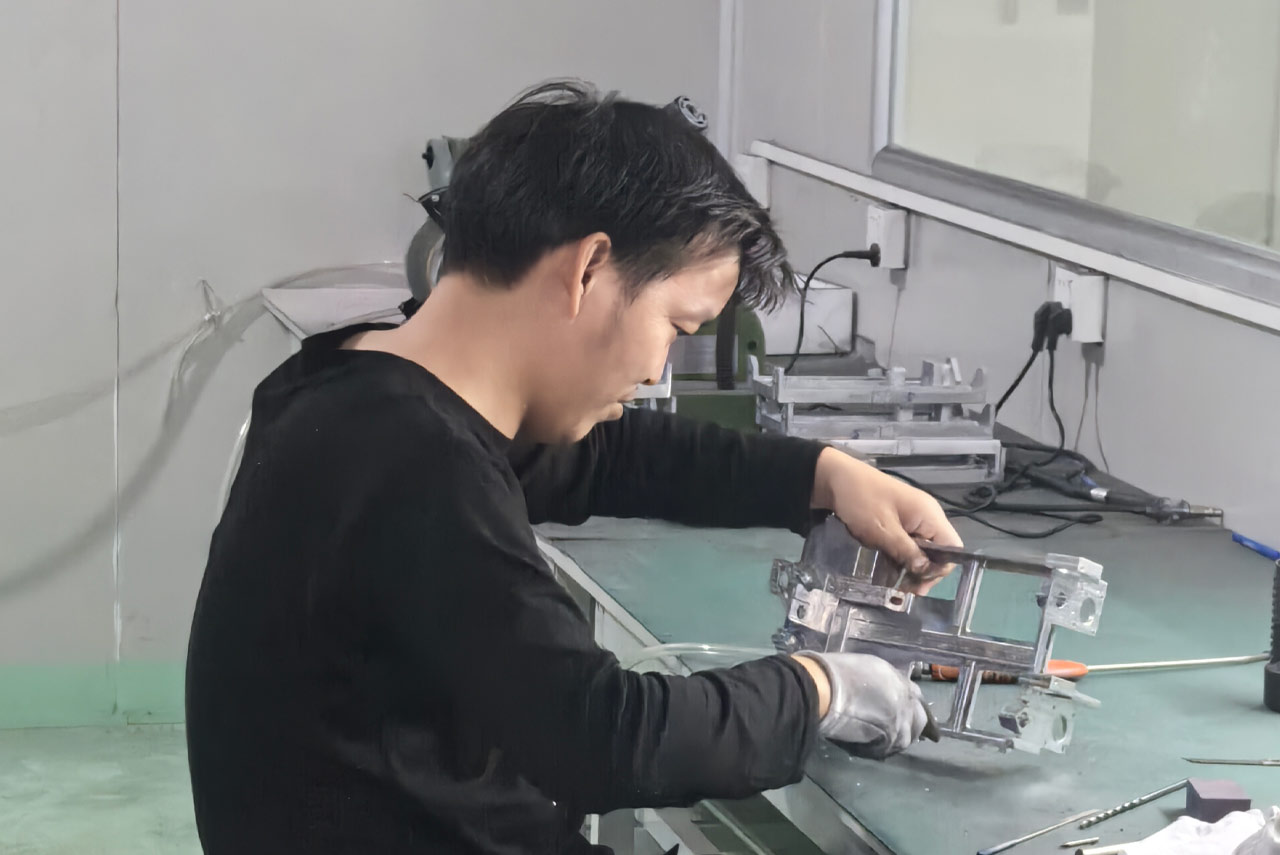
We use CMM inspection to verify datum relationships, position, profile, flatness, perpendicularity, and other geometric controls on complex parts. Measurement routines can be retained for repeat orders so we can compare results using a consistent inspection strategy.
Height Gauge Inspection
We use digital height gauges on controlled surface plates to check step heights, hole locations, shoulders, parallel features, and datum-based dimensions. This method supports efficient in-process verification as well as final inspection of accessible features.
Dimensional Inspection
We verify diameters, lengths, threads, grooves, radii, runout, and feature-to-feature dimensions with calibrated micrometers, calipers, bore gauges, pin gauges, thread gauges, optical systems, and dedicated fixtures selected for the drawing requirement.
Visual and Surface Inspection
We inspect machined and finished surfaces for burrs, scratches, dents, contamination, coating consistency, color variation, marking quality, and protected critical faces. Approved samples and drawing notes guide cosmetic acceptance when appearance matters.
Need inspection reports or material certificates? Include your requirements when requesting a quote.
Get QuoteIndustries and Applications for Electrical Discharge Machining
We apply EDM to semiconductor, tooling, medical, aerospace, robotics, and microfluidic projects where hardness or geometry limits conventional tools. We choose the process only when its accuracy and access advantages justify the slower material-removal rate.
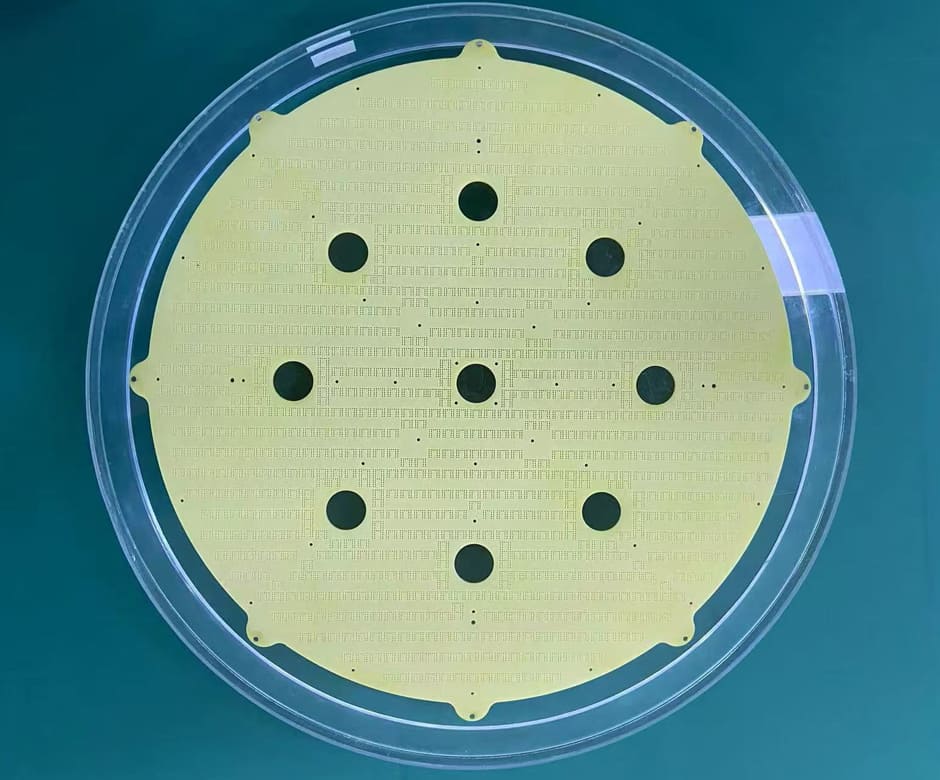
Precision tooling
We manufacture punches, dies, inserts, gauges, and hardened tooling components that depend on accurate profiles, controlled clearances, and stable surfaces.
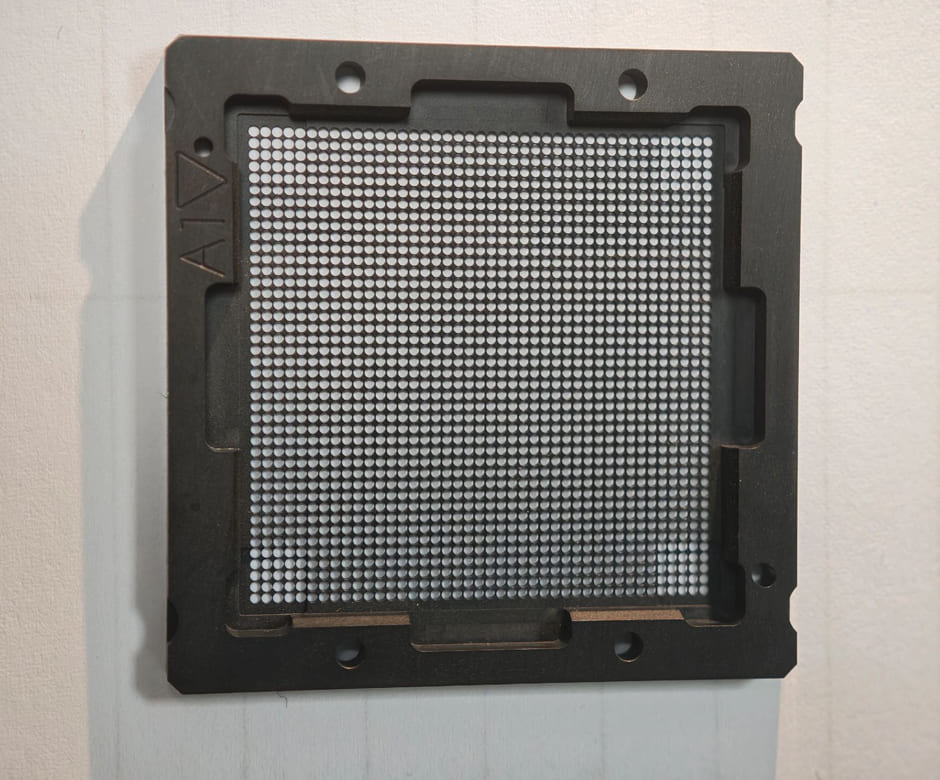
Semiconductor equipment
We produce vacuum, positioning, gas-delivery, and wafer-handling components with stable datums, controlled surfaces, and inspection suited to clean process equipment.
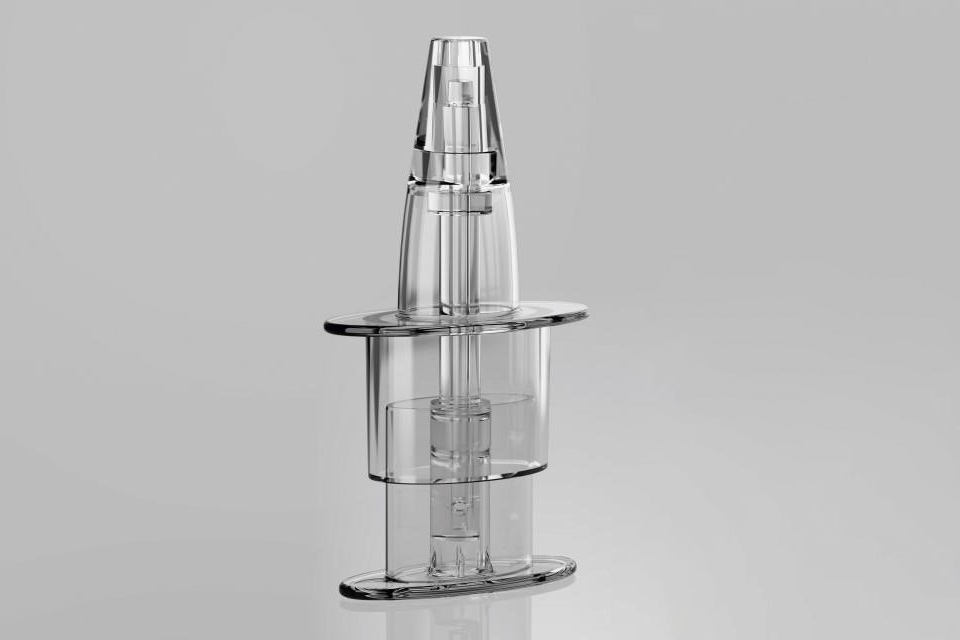
Medical instruments
We machine instrument bodies, precision shafts, fittings, and device components with close attention to cleanability, edge condition, and dimensional verification.
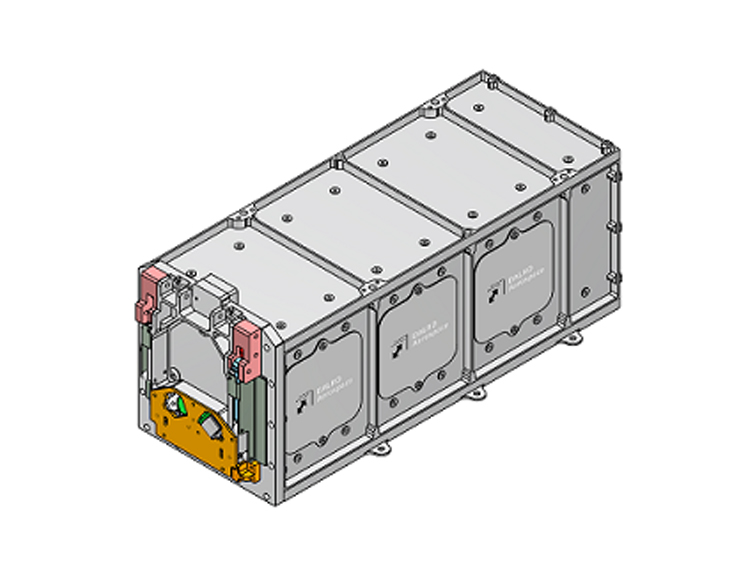
Aerospace hardware
We manufacture precision components for aerospace hardware with process planning and inspection matched to functional requirements.
Why Choose Plyconn for Electrical Discharge Machining?
We combine early DFM feedback, controlled production, and drawing-based inspection so our customers receive practical answers before material is committed and traceable results after machining is complete.
Engineering review
DFM feedback identifies tolerance, tool access, material, and finishing risks before production.
One accountable team
Machining, secondary operations, inspection, and delivery are coordinated through one project team.
Production consistency
Documented setups and inspection plans support repeat orders from pilot runs through stable production.
Questions About Electrical Discharge Machining Services
These answers cover the process questions that most often affect design review, quotation, and manufacturing route selection.
What is electrical discharge machining?
Electrical discharge machining is a non-contact process that removes electrically conductive material with a controlled series of pulsed sparks between an electrode and the workpiece. The process takes place in a dielectric fluid that cools the gap and carries away eroded particles.
What is the difference between wire EDM and sinker EDM?
Wire EDM uses a continuously traveling wire electrode to cut through the workpiece, making it suitable for punches, dies, slots, tapers, and precision profiles. Sinker EDM uses a shaped electrode to form blind cavities, ribs, pockets, and internal details. Hole-drilling EDM uses a tubular electrode for small deep holes and wire start holes.
Which materials can be machined by EDM?
The material must be electrically conductive. Common EDM materials include hardened tool steel, stainless steel, titanium, nickel alloys, copper, brass, aluminum, and conductive carbide. Glass and most plastics cannot be EDM machined unless they are specially formulated to conduct electricity.
Does EDM create a heat-affected or recast layer?
Yes. Each spark melts or vaporizes a minute volume of material, and a thin resolidified layer may remain. Its condition depends on discharge energy, flushing, material, and finish passes. We review recast-layer, microcrack, fatigue, and polishing requirements for critical applications.
What information is needed for an EDM quote?
Send the 3D model and 2D drawing with material, heat-treatment condition, quantity, critical tolerances, surface-finish or recast-layer requirements, and inspection needs. For wire EDM, identify through profiles, start-hole locations, and taper; for sinker EDM, identify cavity depth, corner requirements, textures, and surfaces that may need polishing.
Discuss Your Electrical Discharge Machining Project
Send us your drawing, material, quantity, and quality requirements.
We’ll help define the next step.