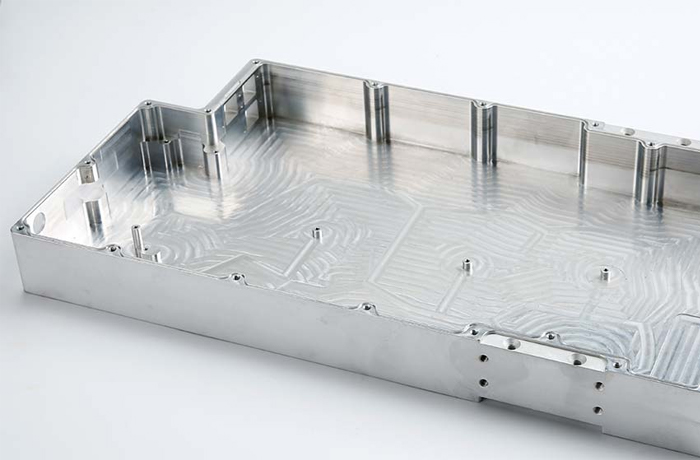
As Machined
The raw surface produced by the selected cutting process, with visible tool marks and feed lines.
FunctionAvoids secondary processing, dimensional buildup, and added finishing lead time.
Surface finishing turns a machined part into a functional component. The right finish protects against corrosion and wear, improves appearance and cleanability, or adds permanent traceability. We coordinate machining, preparation, masking, finishing, and inspection so the completed part remains connected to the drawing.
Get a Finishing Quote
Compare what each process is, what it does, the specifications that affect performance, and the details that need attention before production. Final values depend on the substrate, geometry, governing standard, and approved supplier process.
The raw surface produced by the selected cutting process, with visible tool marks and feed lines.
FunctionAvoids secondary processing, dimensional buildup, and added finishing lead time.
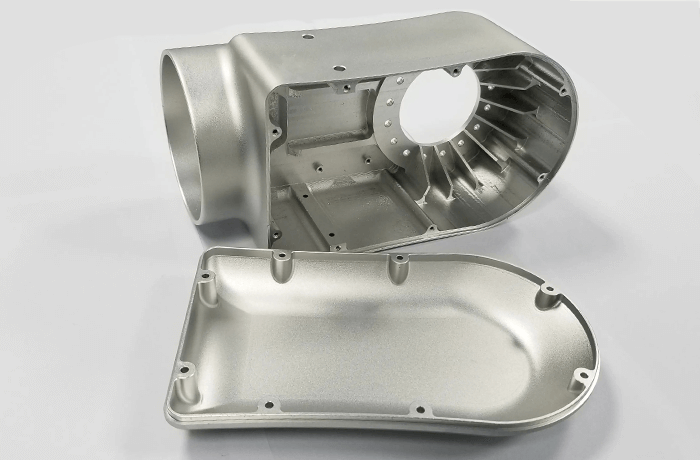
Glass beads create a uniform, non-directional matte texture on the machined surface.
FunctionMasks light machining marks, reduces glare, and prepares compatible parts for later finishing.
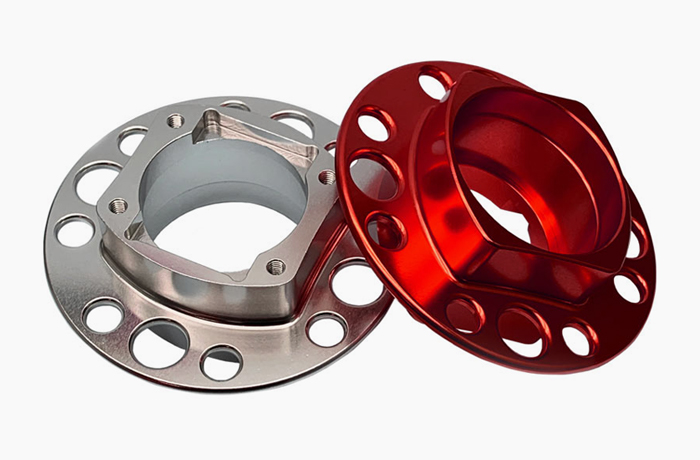
An electrolytic conversion process that grows a controlled oxide layer on aluminum.
FunctionImproves corrosion resistance, increases surface hardness, adds electrical insulation, and accepts dyed colors.
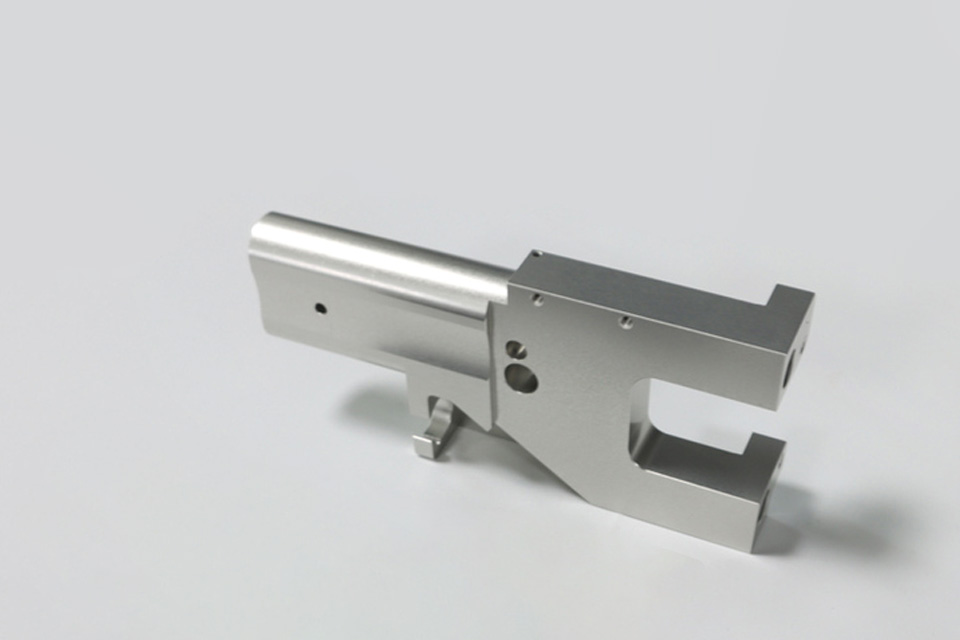
A thicker aluminum oxide layer produced for demanding functional surfaces.
FunctionProvides higher wear resistance, stronger corrosion protection, and useful dielectric performance.
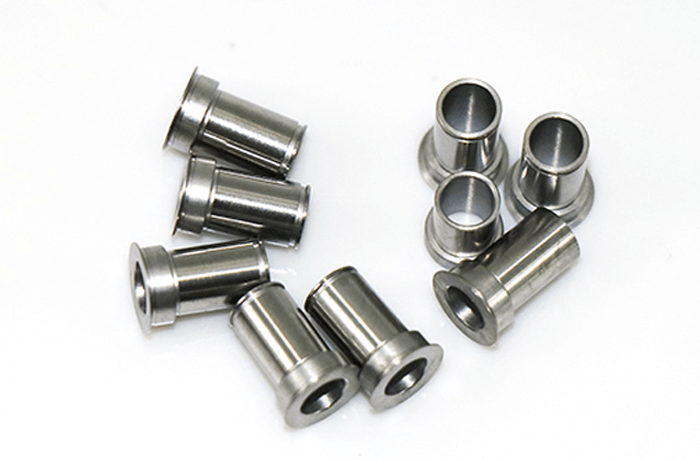
A nitric or citric acid treatment that removes free iron from stainless-steel surfaces.
FunctionRestores the chromium-rich passive film without adding a coating or changing dimensions.
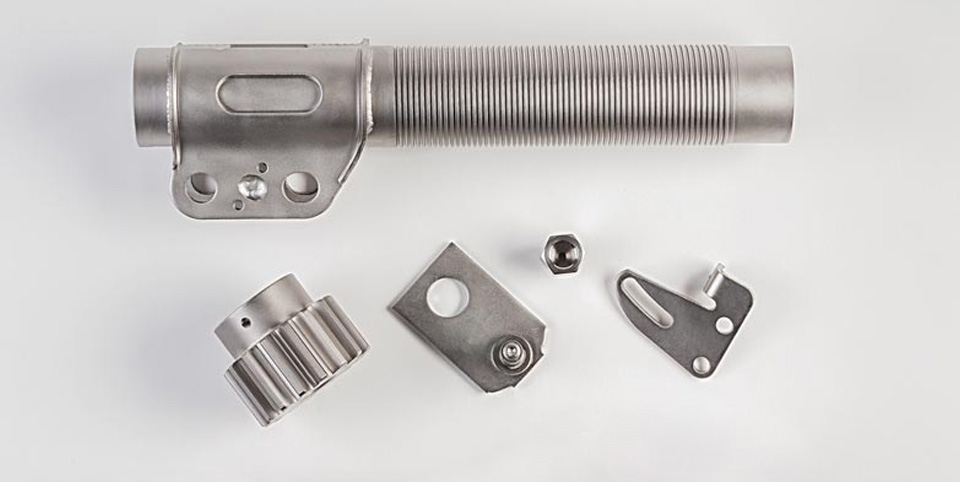
Chemical reduction deposits nickel uniformly without using external electrical current.
FunctionProtects complex geometry, bores, and cavities against corrosion and wear with minimal edge buildup.
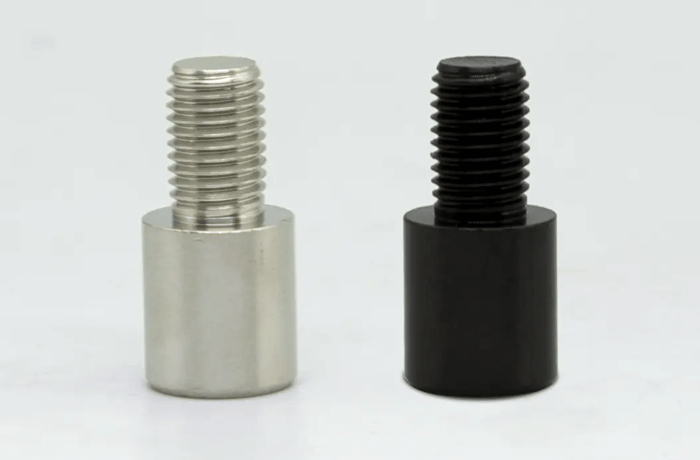
A chemical conversion process forms a thin black magnetite layer on ferrous materials.
FunctionCreates a low-reflection black appearance with mild corrosion protection and little dimensional change.
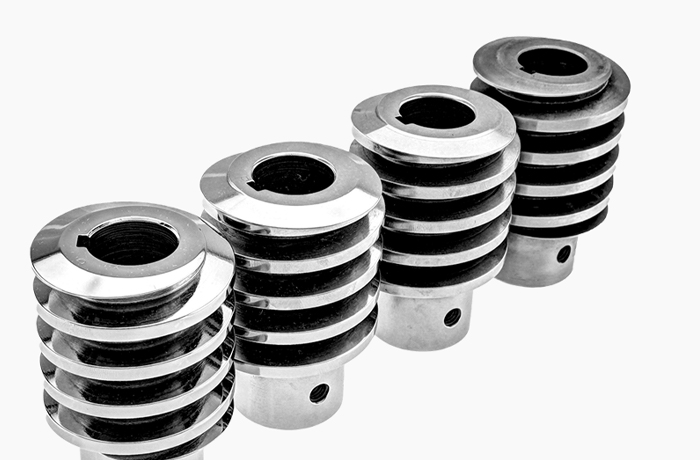
Mechanical or chemical refinement removes surface peaks and reduces roughness.
FunctionLowers friction and media retention while improving cleanability, appearance, and fatigue behavior.
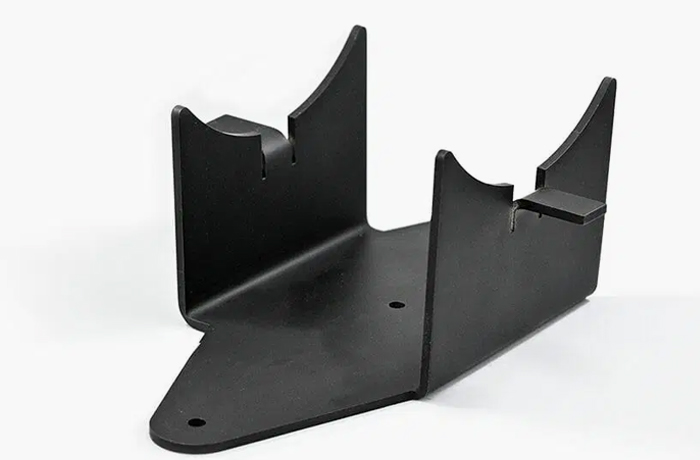
Electrostatic powder is applied to a conductive part and cured into a continuous polymer film.
FunctionProvides durable color, physical protection, electrical isolation, and chemical resistance.
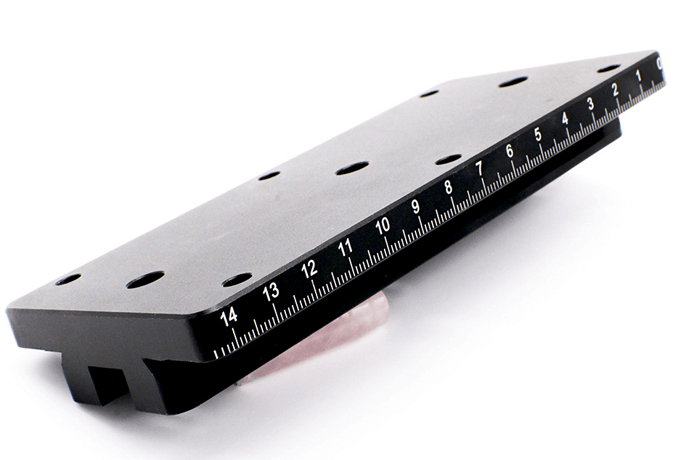
Controlled laser oxidation or ablation creates permanent information on the surface.
FunctionSupports serial numbers, QR codes, logos, and traceability without adding a coating.
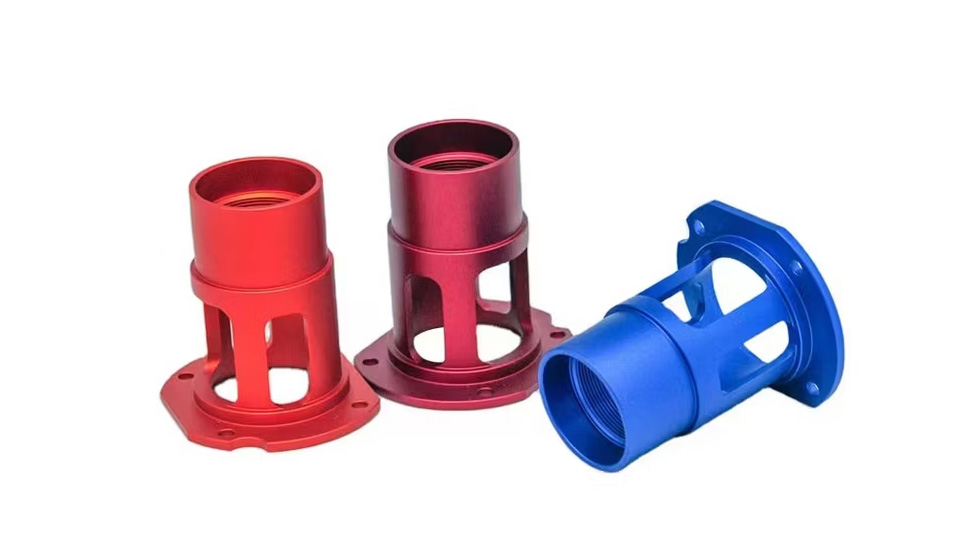
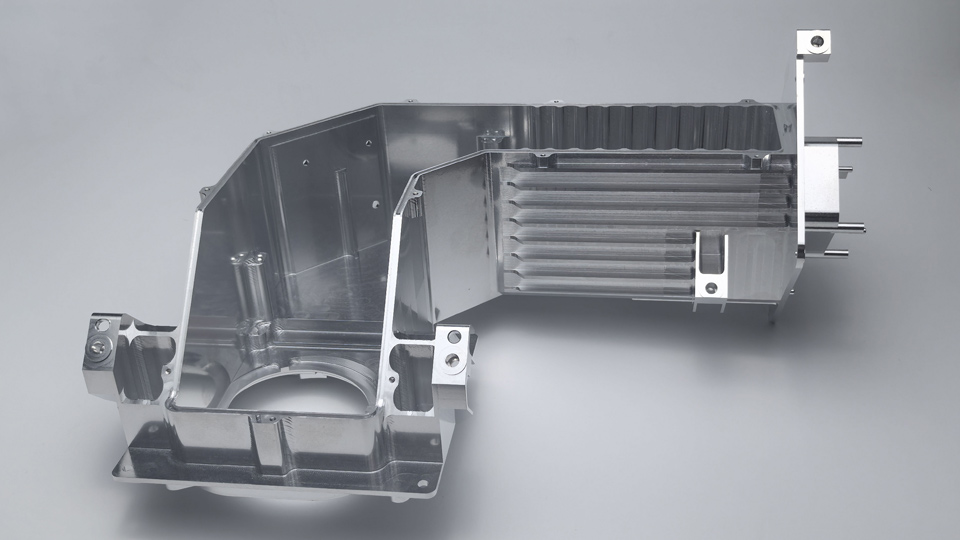
A complete specification defines what the part must survive, what it should look like, how much size change is allowed, and which acceptance standard applies.
Define corrosion exposure, wear, temperature, chemicals, electrical behavior, cleaning method, and required service life.
Use a sample or reference such as a RAL number. A phrase such as “matte black” can describe several processes with different durability and cost.
Identify coated threads, bearing seats, sealing faces, and close fits. Mask, add machining allowance, or finish these features after coating.
Use an applicable MIL, AMS, ASTM, ISO, or customer specification to define process type and acceptance criteria instead of relying on description alone.
Mark threads, ground surfaces, electrical contacts, optical faces, and other protected zones on the drawing for DFM confirmation.
Plan dimensional allowances and protected surfaces before machining. The effect depends on the finishing process, material, and specified thickness.
Anodizing, plating, and powder coating can change the size of threads, bores, bearing seats, and close fits. Define masking or machining allowances for these features.
Blasting and polishing can remove material or soften edges. Specify final dimensions after finishing where fit, flatness, or edge definition matters.
Mark mating faces, sealing surfaces, electrical contacts, datums, and grounding points on the drawing so the finishing process preserves their function.
Every finish has measurable acceptance criteria. Inspection methods are selected from the drawing, process standard, and project requirements.
ChecksThickness, color uniformity, and sealing
MethodEddy-current gauge, visual review, dye-stain test
ChecksThickness, hardness, and adhesion
MethodThickness gauge, microhardness test, adhesion test
ChecksSurface cleanliness and free-iron removal
MethodWater-break or copper-sulfate test as specified
ChecksThickness, adhesion, and deposit composition
MethodXRF thickness measurement and specified lab tests
ChecksThickness, color, and adhesion
MethodThickness gauge, colorimeter, cross-cut test
ChecksCoverage and corrosion performance
MethodVisual review and specified humidity or salt-spray test
ChecksFinal surface roughness
MethodCalibrated profilometer
ChecksUniformity and media cleanliness
MethodVisual review and surface-cleanliness check
ChecksContrast, readability, and depth
MethodVision system and readability scan
Inspection reports can be supplied with the shipment. When a MIL, AMS, ASTM, ISO, or customer standard is specified, acceptance follows that standard rather than a general internal default.
Not every process is suitable for every substrate. Use this matrix as a starting point, then confirm the alloy, condition, geometry, and governing specification.
| Material | Recommended finishes | Generally not applicable |
|---|---|---|
| Aluminum 6061 / 7075 / 5083 | Anodizing, hard anodizing, bead blasting, polishing, powder coating, laser marking | Passivation, black oxide |
| Stainless 303 / 304 / 316 / 17-4 | Passivation, electroless nickel, polishing, bead blasting, powder coating, laser marking | Anodizing, black oxide |
| Steel / alloy steel | Black oxide, electroless nickel, powder coating, polishing, laser marking | Anodizing, passivation |
| Titanium | Decorative anodizing, polishing, laser marking, specified nitric passivation | Black oxide |
| Brass / copper | Polishing, electroless nickel, powder coating, laser marking | Anodizing, passivation |
| PEEK / POM / engineering plastics | Bead blasting, limited polishing, compatible laser marking | Electrolytic and electroless metal coatings unless specially engineered |
The same part may need protection, controlled friction, appearance, electrical behavior, or permanent identification. The correct route follows the functional priority.
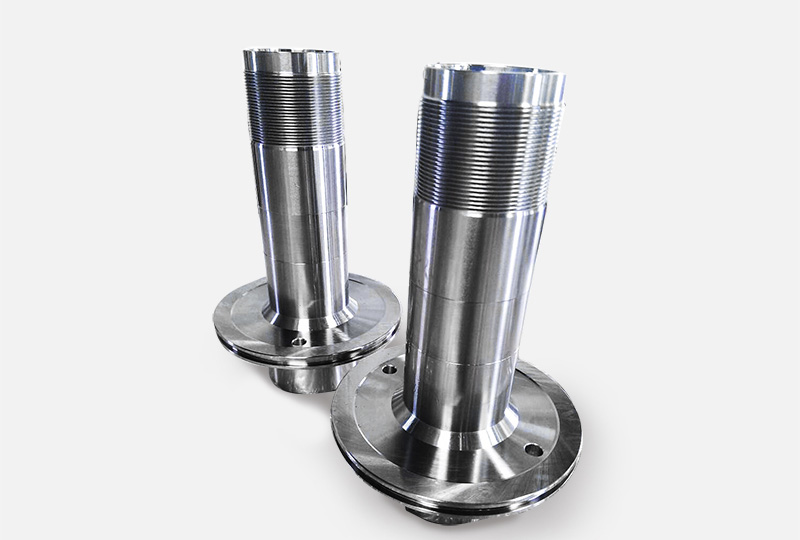
Anodizing, passivation, nickel plating, black oxide, and powder coating protect compatible materials in different environments.
Hard anodizing, electroless nickel, polishing, and other controlled treatments support sliding, contact, and clean functional surfaces.
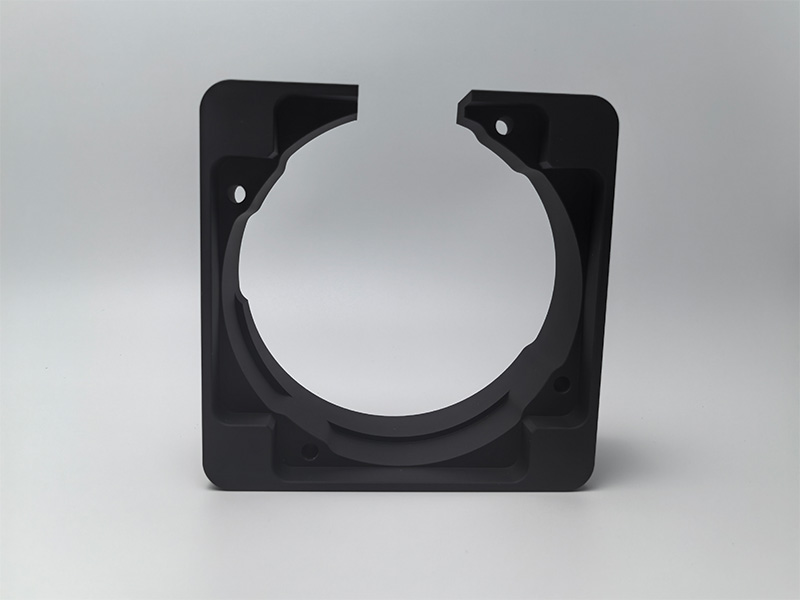
Color, texture, gloss, serial numbers, QR codes, and logos are defined around visible surfaces and product identification needs.
Start with the function: corrosion resistance, wear, conductivity, cleanliness, appearance, or traceability. Then check material compatibility, coating thickness, masking, tolerance state, and service environment.
State this directly on the drawing. Fits, threads, sealing faces, bearing seats, and datum features often need final dimensions defined after coating or protected by masking.
No. Alloy chemistry, temper, surface preparation, machining marks, and batch conditions affect color and appearance. Cosmetic matching should be reviewed with the specified alloy and an approved sample when necessary.
We define plugs, caps, stop-off materials, machining allowance, or post-finish operations around each critical feature. The masking boundary should be included in the drawing or finishing specification.
Yes, when the sequence and compatibility are planned. Examples include bead blasting before anodizing, polishing before passivation, or laser marking after coating. Each step must protect the final dimensions and functional surfaces.
Send the drawing, material and condition, finish type or governing specification, color or appearance requirement, masking areas, critical dimensions, quantity, inspection scope, and any corrosion or performance test requirements.
Send us your drawing, material, quantity, and quality requirements.
We’ll help define the next step.