

Superalloy CNC Machining

Plan demanding alloy components around the actual grade, heat-treatment condition, and service environment. Superalloy CNC machining supports designs driven by temperature, corrosion, and mechanical performance. This directory also covers related nickel alloys that should be selected by their specific duty, rather than grouped under one performance claim.

Get a Superalloy CNC Quote
  • Drawing-led material review
  • Prototype to repeat production
Superalloys manufacturing application reference

Superalloys for CNC Machined Parts

Compare the superalloys grades and material families listed for this category, together with their machining considerations and typical part types. Final selection, availability, and feasibility are reviewed against your drawing and material specification.

Superalloys CNC material comparison
Material & gradesSelection considerationsTypical parts
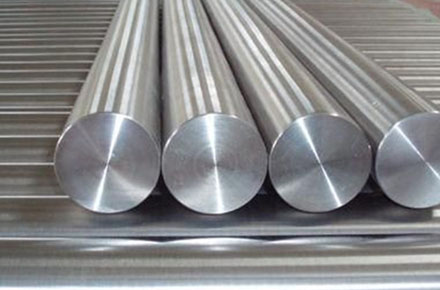
INCONEL 718 raw stock
INCONEL 718Nickel-based · Grade 718
A precipitation-hardenable alloy evaluated for demanding mechanical and temperature requirements. Specify the machining and final heat-treatment conditions.High-performance fasteners, housings, and structural hardware
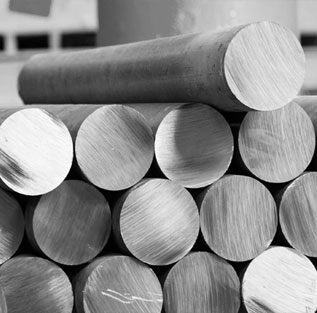
INCONEL 625 raw stock
INCONEL 625Nickel-based · Grade 625
Considered for applications requiring corrosion resistance and demanding service performance. Stock form and product specification must accompany the alloy name.Process fittings, valve parts, and specialized hardware
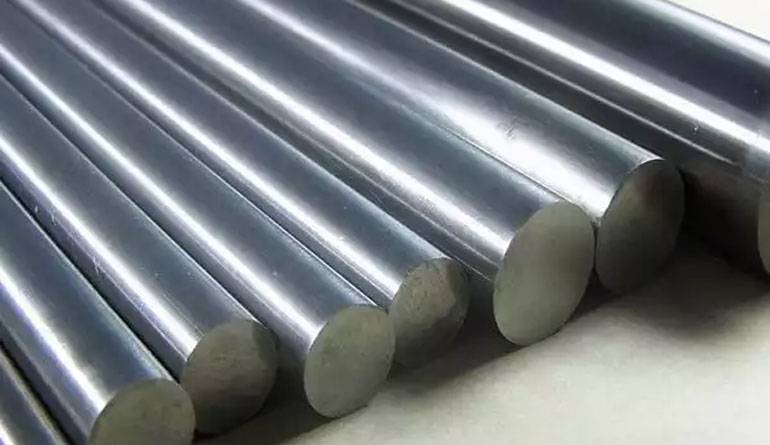
HASTELLOY Alloys raw stock
HASTELLOY AlloysC-276 · C-22 · Specified grade
A family of specialty alloys often considered for aggressive chemical service. Select against the actual media and operating conditions.Chemical-process components, valve bodies, and flow hardware
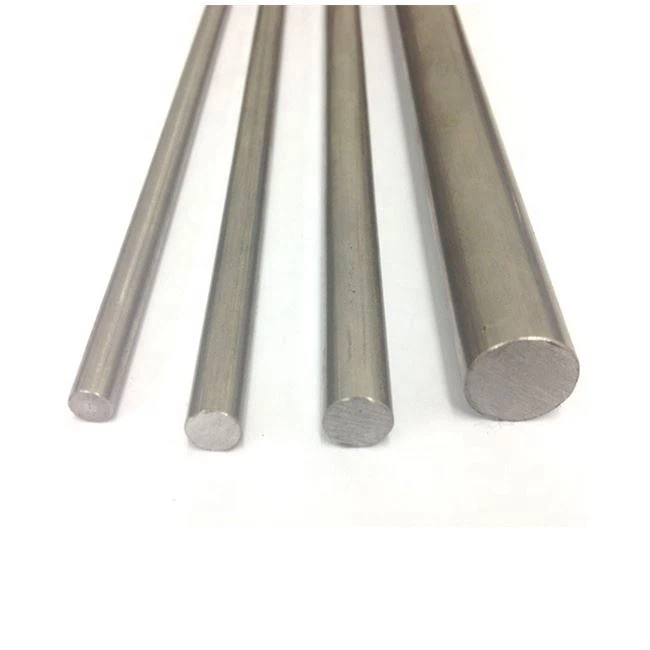
Nickel-Copper Alloys raw stock
Nickel-Copper AlloysMONEL 400 · K-500
Related nickel alloys considered for appropriate corrosive environments. They are not interchangeable with nickel superalloys selected for high-temperature duty.Marine hardware, pump components, and valve parts
Cobalt-Based Alloys raw stock
Cobalt-Based AlloysSupplier-specified grades
A specialist option where the grade meets the required wear, corrosion, or thermal duty. Confirm stock availability and machining condition early.Wear components, specialized seats, and process hardware
Need a grade that is not listed?Send your material specification
Manufacturing application for superalloy cnc machining

How to Choose a Material for Superalloy CNC Machining

Specify the service environment before the alloy

High-temperature strength and corrosion resistance describe different needs. Share temperature, load, process media, exposure time, and applicable material specifications. Grade selection should follow the engineering requirement and supplier data rather than an assumption that a more expensive alloy is automatically better.

Plan the machining route around material condition

Nickel alloys can work harden during machining. Tool selection and cutting strategy should be matched to the exact alloy and metallurgical condition. Clarify whether roughing, heat treatment, finishing, and final inspection occur in separate stages before committing to a production route.

Process Planning for Superalloy CNC Machining

A material choice becomes useful when it is connected to tooling, workholding, finishing, and inspection. These are the priorities we bring into the project review.

Rigid setups and accessible geometry

Review long tool reaches, interrupted cuts, deep bores, and thin walls. A practical setup plan protects critical surfaces and tool access.

Tool life and process planning

Allow for material-specific tooling, machining time, and inspection checkpoints. Avoid assuming that a cycle established for stainless steel transfers directly.

Traceability and final acceptance

Define material records, final condition, surface integrity, critical dimensions, and any additional inspection requirements in the RFQ.

Industries and Applications for Superalloy CNC Machining

Define the working environment and assembly interface before choosing a grade. These part families provide a starting point for a more specific engineering discussion.

Nickel-alloy round bars used as stock for thermal-service components

Thermal-service hardware

Nickel-alloy round stock provides a starting form for turned thermal-service hardware. Exact alloy, heat-treatment condition, and the temperature and load requirements determine the final route.

Corrosion-resistant alloy round stock for chemical-service machining

Chemical-service components

Corrosion-resistant alloy bar stock can be machined into flow-control and wetted components. Compatibility is checked against the actual process media, temperature, and material specification.

Machined Kovar cylindrical instrument components

Low-expansion instrument hardware

Related controlled-expansion alloys such as Kovar serve selected instrument and electronic interfaces. Thermal expansion, joining requirements, and material condition are specified separately from high-temperature strength.

Tolerances and Quality Control for Superalloy CNC Machining

There is no useful universal tolerance for every superalloy part. Size, geometry, stock condition, finishing, and the inspection method all influence what should be specified. Mark functional datums, mating features, sealing surfaces, and dimensions that apply after finishing.

Include the required surface condition, edge treatment, material records, and reporting scope with your RFQ. We can then review the manufacturing route and acceptance plan together.

Explore quality assurance

Send a Complete RFQ

01

3D CAD model and dimensioned drawing

02

Material grade, stock condition, and alternatives

03

Quantity and repeat-production requirements

04

Critical tolerances and surface requirements

05

Inspection, traceability, and documentation needs

Get Quote

Superalloy CNC Machining FAQs

Are all nickel alloys superalloys?

No. Nickel alloys cover a broad range of compositions and applications. The directory includes related corrosion-resistant alloys for comparison; selection should be based on the individual material specification.

Why can superalloy CNC machining cost more?

Material price, tooling, machining time, stock availability, heat treatment, and documentation can all affect cost. Complex geometry and demanding inspection requirements add further work.

What information is needed for a quote?

Provide the exact alloy and material standard, stock or final condition, drawing, CAD, quantity, surface requirements, and inspection scope. Identify service requirements that constrain material substitutions.

Discuss Your Superalloy CNC Machining Project

Send us your drawing, material, quantity, and quality requirements.
We’ll help define the next step.

Get Quote