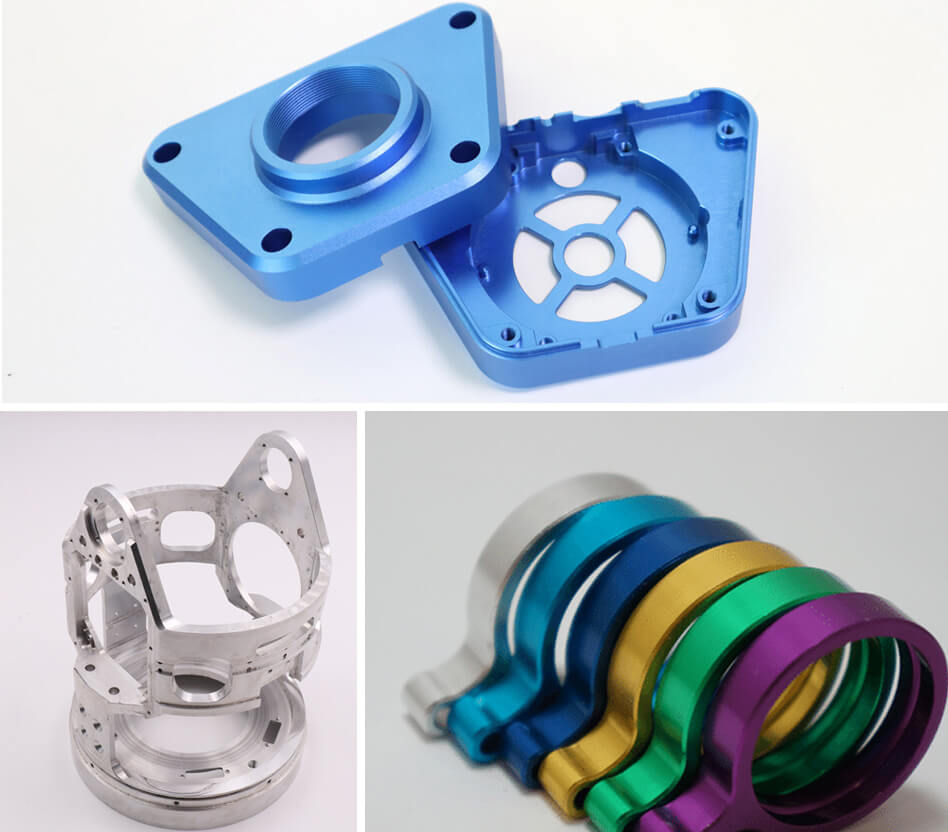
Metal CNC Machining

Choose a metal around the job your part must perform. Plyconn connects material selection with CNC milling, turning, finishing, and dimensional inspection for prototypes and repeat production. Compare aluminum, stainless steel, alloy steel, titanium, copper, and brass to define a practical starting point for your drawing.

Get a Metal CNC Quote
  • Drawing-led material review
  • Prototype to repeat production
Metals manufacturing application reference

Metals for CNC Machined Parts

Compare the metals grades and material families listed for this category, together with their machining considerations and typical part types. Final selection, availability, and feasibility are reviewed against your drawing and material specification.

Metals CNC material comparison
Material & gradesSelection considerationsTypical parts
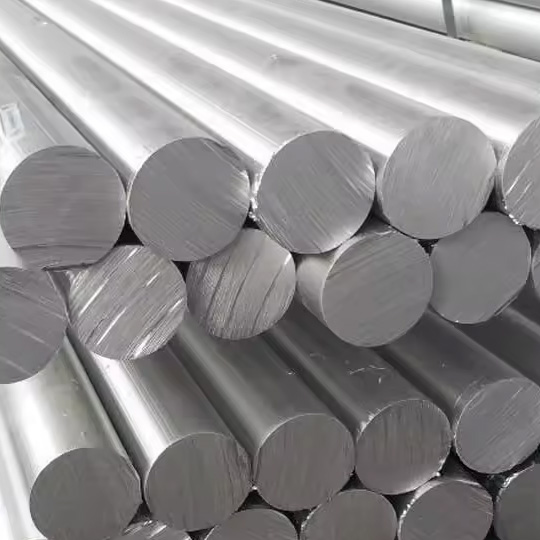
Aluminum raw stock
Aluminum 6061 · 7075 · 6082
A versatile option for lightweight machined components. Grade and temper influence strength, distortion, corrosion behavior, and the appearance of anodized surfaces.Housings, cold plates, brackets, and fixtures
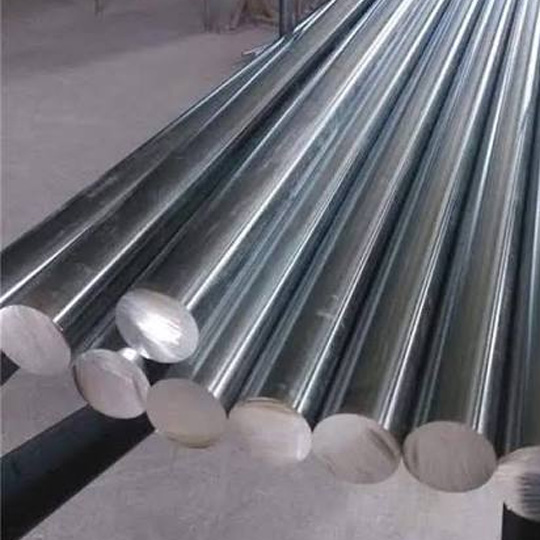
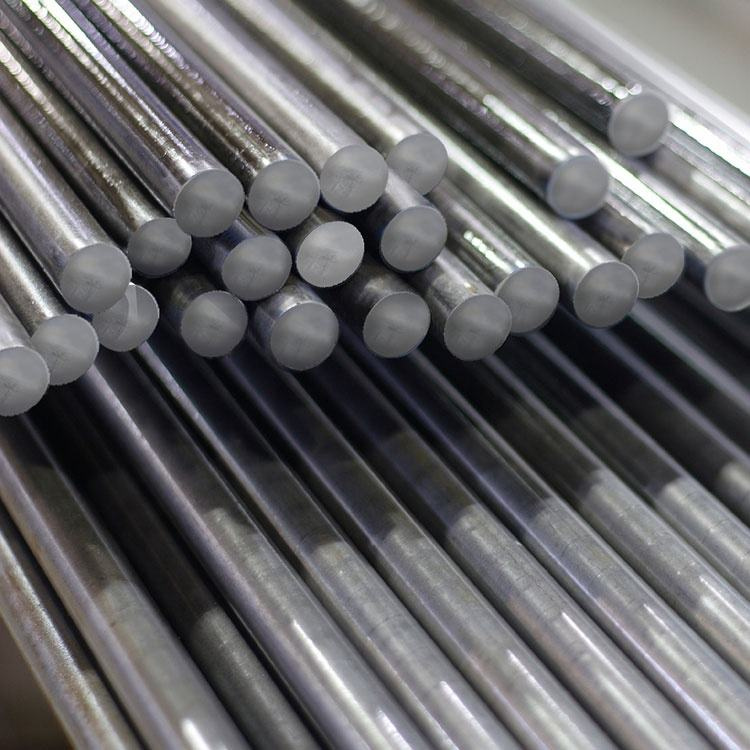
Stainless Steel raw stock
Stainless Steel 304 · 316L · 17-4 PH
Selected for corrosion resistance and mechanical performance. Austenitic and precipitation-hardening grades need different cutting and heat-treatment strategies.Valve bodies, vacuum hardware, shafts, and process parts
Alloy Steel raw stock
Alloy Steel 4140 · 4340 · 42CrMo4
Useful for loaded components where toughness, wear, and heat-treatment response matter. Specify the required delivery condition and final hardness.Drive shafts, tooling, gears, and load-bearing components
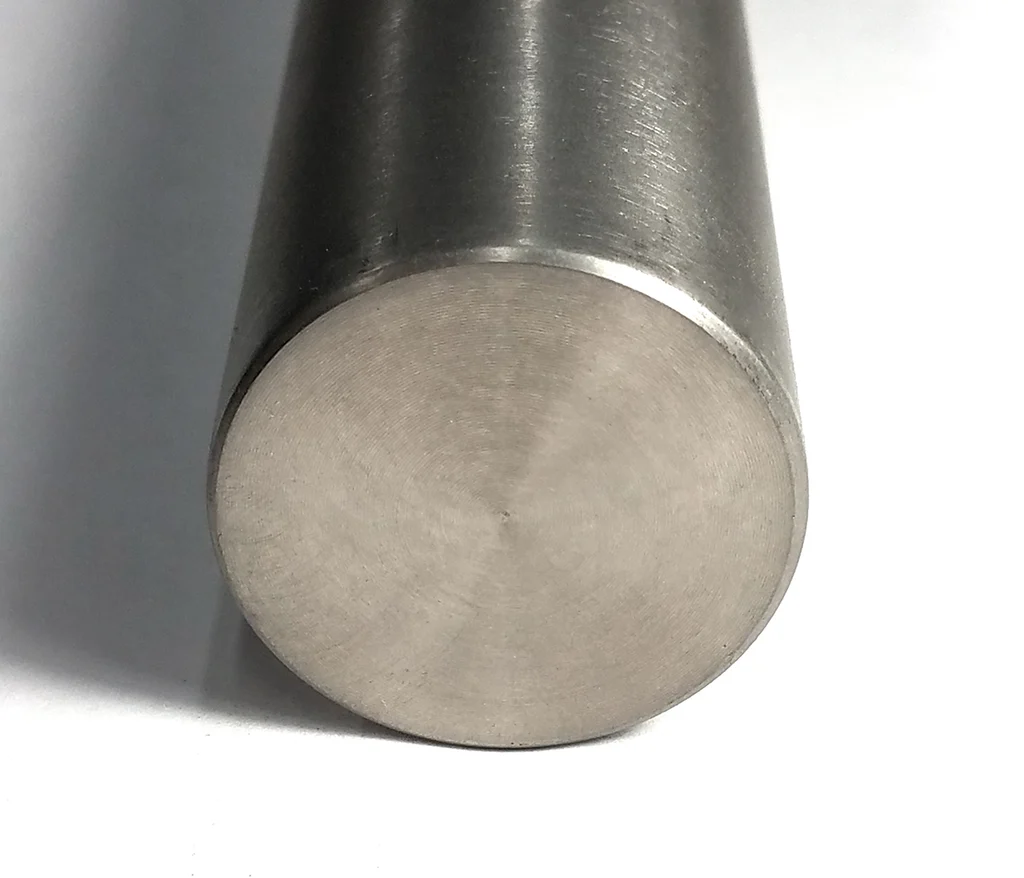
Titanium raw stock
Titanium Grade 2 · Grade 5
Combines low density with corrosion resistance. Stable workholding, controlled heat, and careful surface handling are central to the machining plan.Lightweight brackets, instrument parts, and specialized hardware
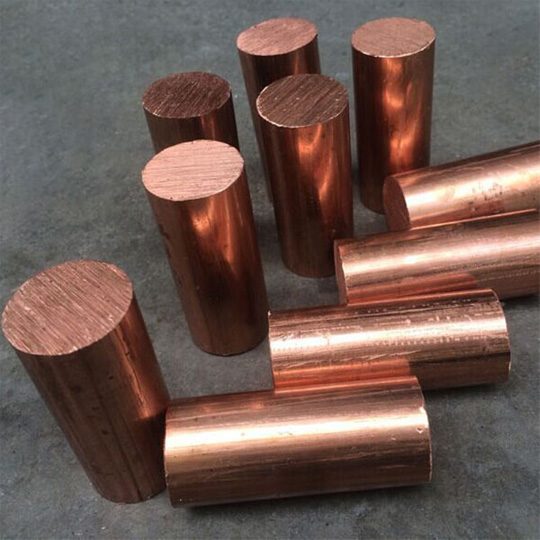
Copper raw stock
Copper C110 · C101
A starting point for electrically and thermally conductive parts. Burr control, soft-surface handling, and material condition affect the finished component.Busbars, thermal components, contacts, and electrodes
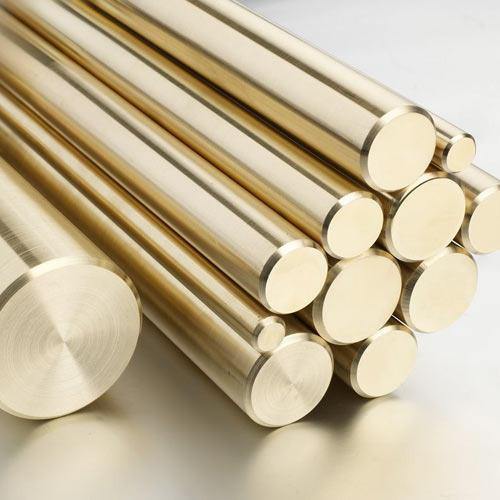
Brass raw stock
Brass C360 · C260 · Lead-free grades
Often selected for turned fittings and precision hardware. Confirm alloy composition and any lead restrictions before choosing a free-machining grade.Fittings, connectors, adapters, and decorative hardware
Need a grade that is not listed?Send your material specification
Manufacturing application for metal cnc machining

How to Choose a Material for Metal CNC Machining

Start with function, not just alloy name

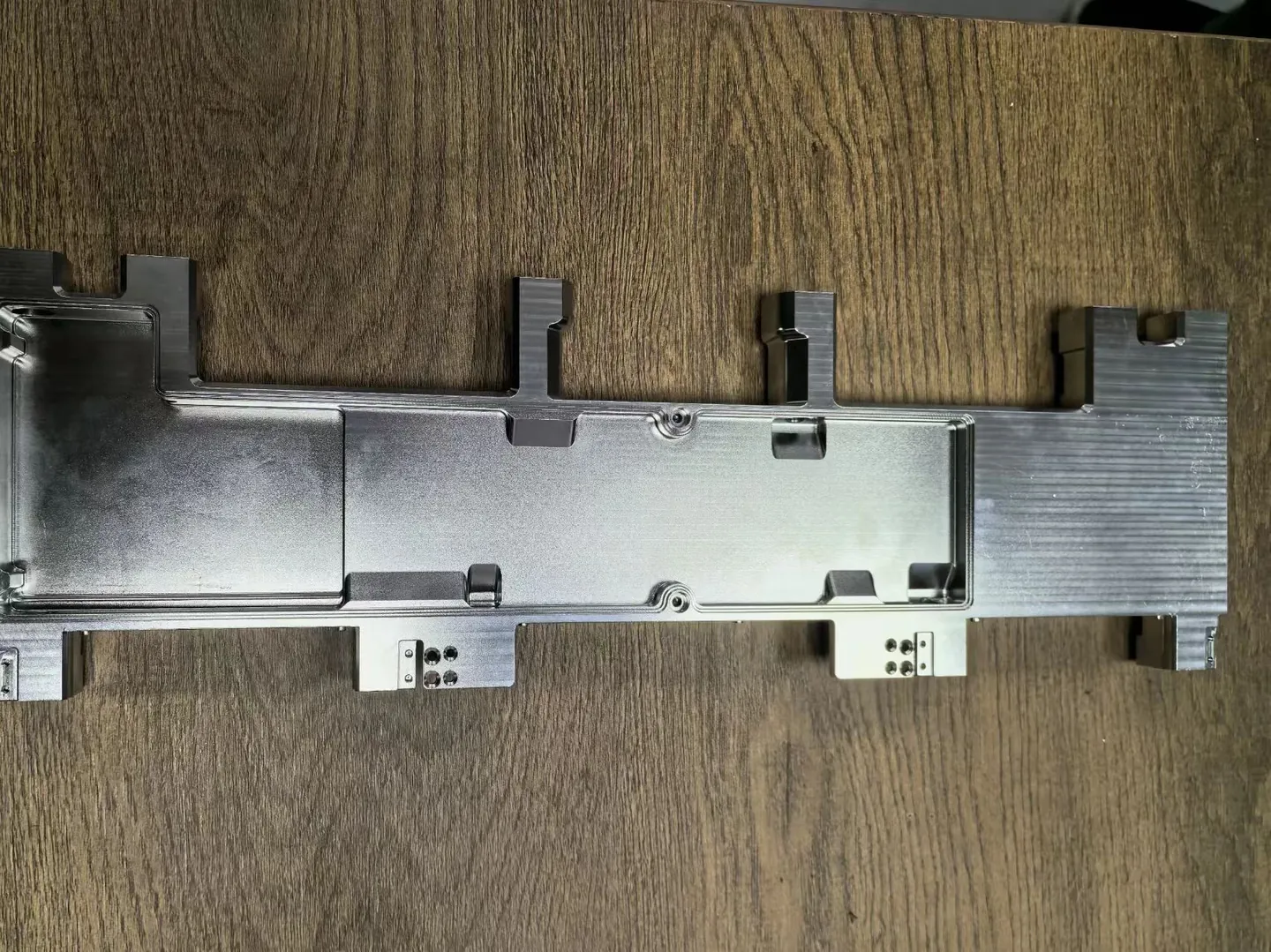
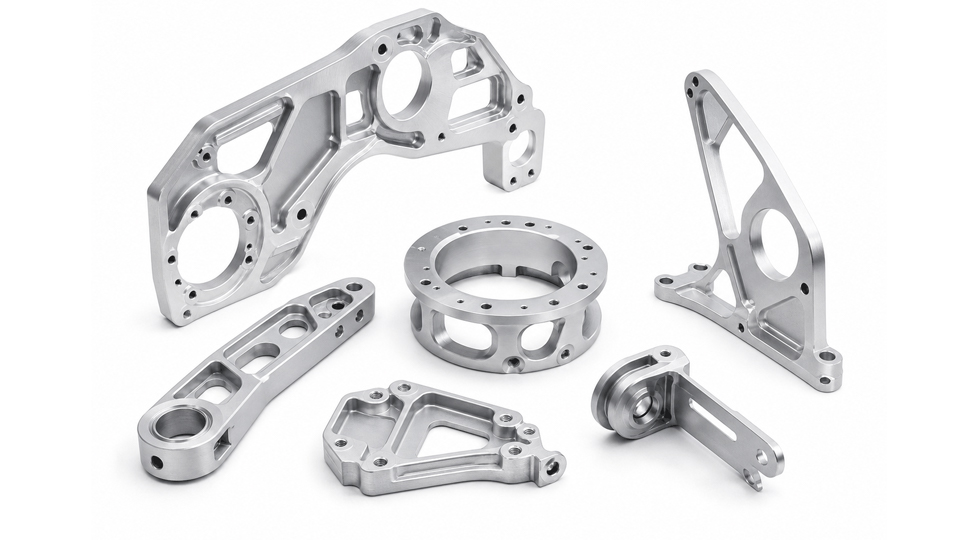
For metal CNC machining, define structural loads, contact surfaces, fluid exposure, temperature, and weight targets together. A material that is easy to machine may still be unsuitable for the service environment. Share mating-part materials and the expected assembly conditions so the review can address the complete component.
Specify grade, condition, and finish

An alloy designation alone does not fully describe stock. Temper, hardness, heat treatment, and product form can change machining behavior. Identify dimensions that apply after anodizing, plating, or grinding, and reserve tighter requirements for features that control fit or function.

Process Planning for Metal CNC Machining

A material choice becomes useful when it is connected to tooling, workholding, finishing, and inspection. These are the priorities we bring into the project review.

CNC milling

Plan pockets, thin walls, intersecting bores, and angled faces around cutter access and stable datums. Five-axis access can reduce transfers on complex metal components.

Turning and mill-turn

Rotational geometry suits turning; flats, cross holes, and off-axis details may benefit from live tooling or a coordinated milling operation.

Finishing and inspection

Connect heat treatment, coatings, deburring, and final measurement to the approved drawing. Sealing faces and bearing fits need clear acceptance criteria.

Industries and Applications for Metal CNC Machining

Define the working environment and assembly interface before choosing a grade. These part families provide a starting point for a more specific engineering discussion.

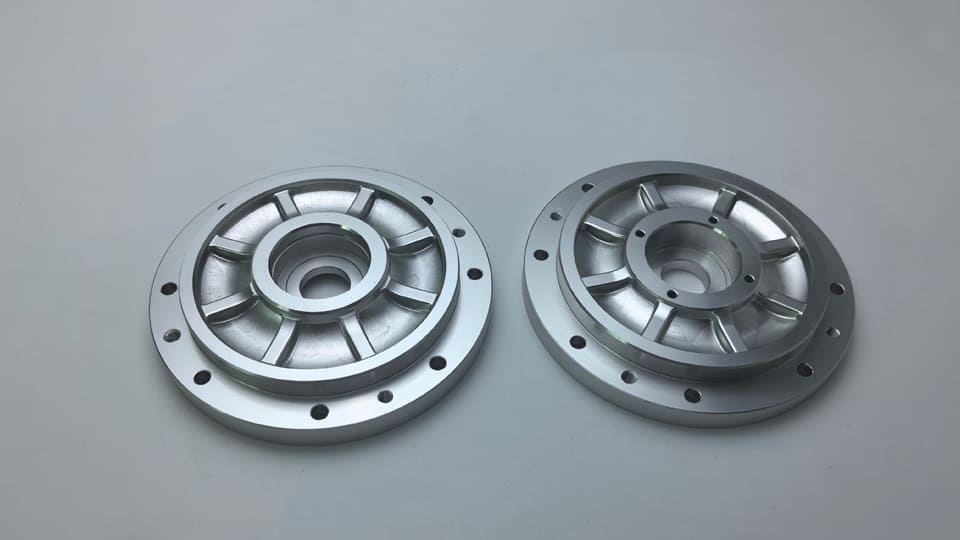
Machined metal liquid-cooling plate with an open flow-channel cavity

Liquid cooling components

Machined metal cold plates use defined flow passages, mounting features, and sealing interfaces. Alloy, finish, and leak-test requirements are reviewed for the intended coolant and assembly.

Machined metal links, brackets, and rings for robotic assemblies

Automation structures

Metal links, brackets, and mounting rings combine stiffness with accurate mechanical interfaces. Pockets and reduced sections are selected around the actual load and assembly datums.

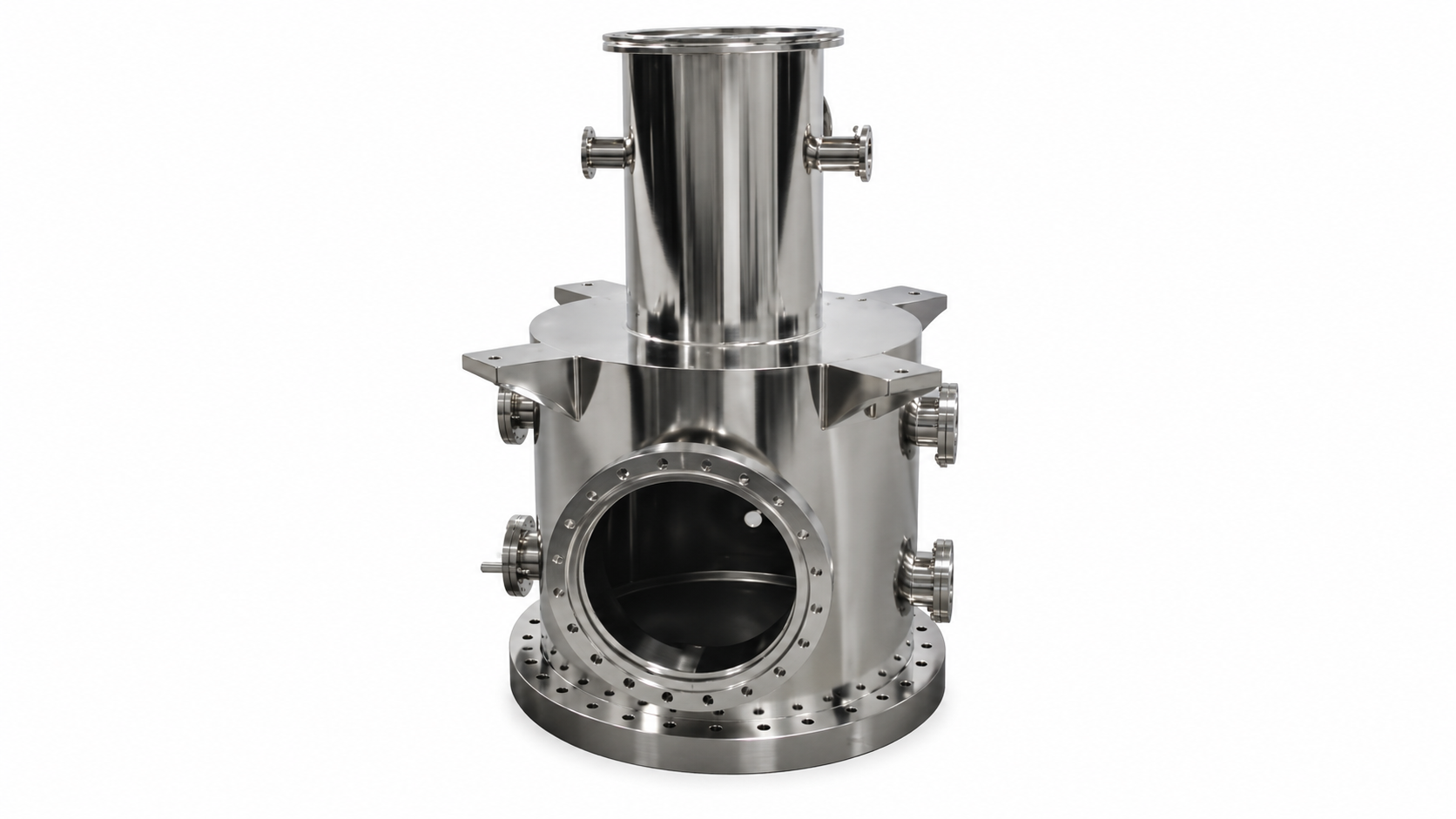
Metal vacuum chamber body with flanged ports

Process equipment bodies

Metal vacuum bodies and connected ports require compatible material, controlled interfaces, and an inspection plan suited to the specified pressure and cleanliness requirements.

Tolerances and Quality Control for Metal CNC Machining

There is no useful universal tolerance for every metal part. Size, geometry, stock condition, finishing, and the inspection method all influence what should be specified. Mark functional datums, mating features, sealing surfaces, and dimensions that apply after finishing.

Include the required surface condition, edge treatment, material records, and reporting scope with your RFQ. We can then review the manufacturing route and acceptance plan together.

Explore quality assurance

Send a Complete RFQ

01

3D CAD model and dimensioned drawing

02

Material grade, stock condition, and alternatives

03

Quantity and repeat-production requirements

04

Critical tolerances and surface requirements

05

Inspection, traceability, and documentation needs

Get Quote

Metal CNC Machining FAQs

Which metal is best for CNC machining?

There is no single best metal. Start with load, environment, thermal or electrical needs, weight, and finish requirements. Aluminum is a common starting point for lightweight parts, while steels, titanium, copper, and brass address different functional needs.

What determines the cost of metal CNC machining?

Material condition, stock size, machining time, setup count, tool access, tolerance, surface finish, and inspection scope all contribute. Sharing batch quantity and acceptable alternatives makes the comparison more useful.

Can you machine a part before heat treatment?

The route depends on the alloy and final requirements. Some features can be rough-machined before treatment, with stock retained for finishing afterward. The drawing should define the final hardness and critical dimensions.

Discuss Your Metal CNC Machining Project

Send us your drawing, material, quantity, and quality requirements.
We’ll help define the next step.

Get Quote