
Plastic CNC Machining

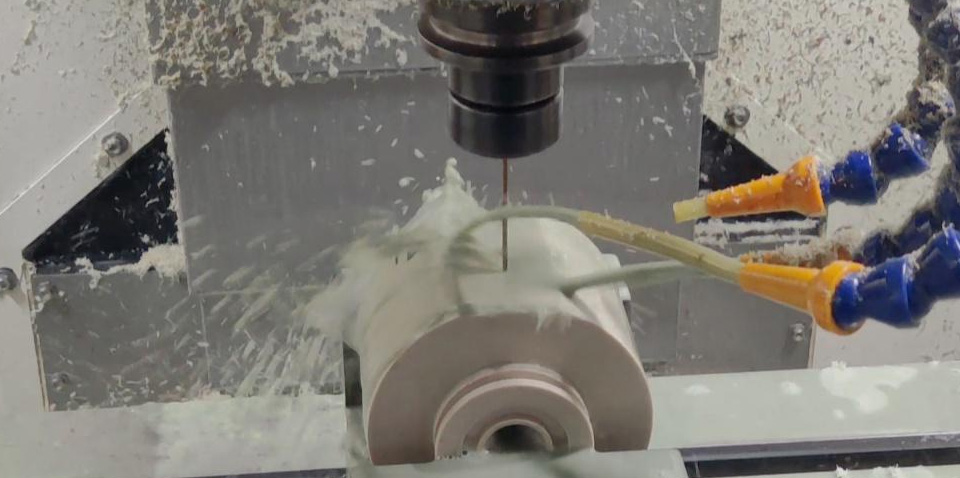
Explore engineering plastics for lightweight housings, wear parts, insulators, seals, and precision fixtures. Plastic CNC machining is useful when you need functional parts without mold tooling, but material selection must account for stiffness, heat, moisture, chemical exposure, and dimensional behavior.

Get a Plastic CNC Quote
  • Drawing-led material review
  • Prototype to repeat production
Plastics manufacturing application reference

Plastics for CNC Machined Parts

Compare the plastics grades and material families listed for this category, together with their machining considerations and typical part types. Final selection, availability, and feasibility are reviewed against your drawing and material specification.

Plastics CNC material comparison
Material & gradesSelection considerationsTypical parts
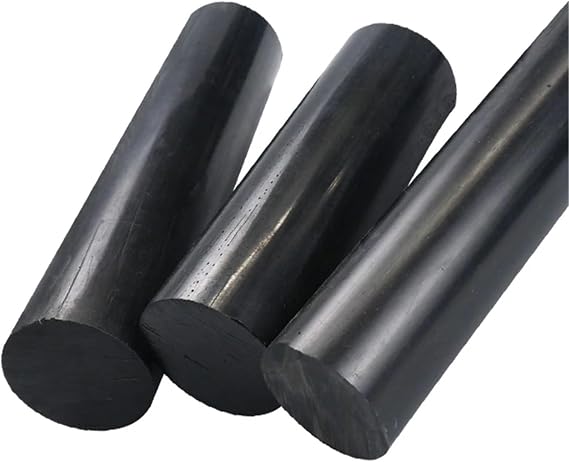
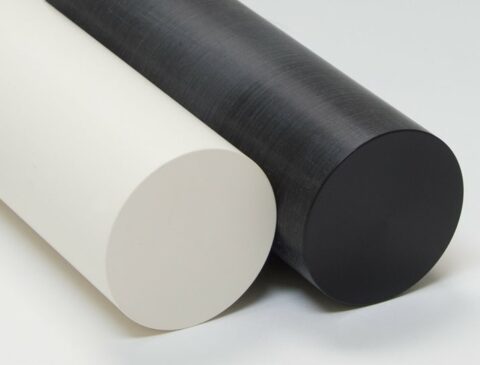
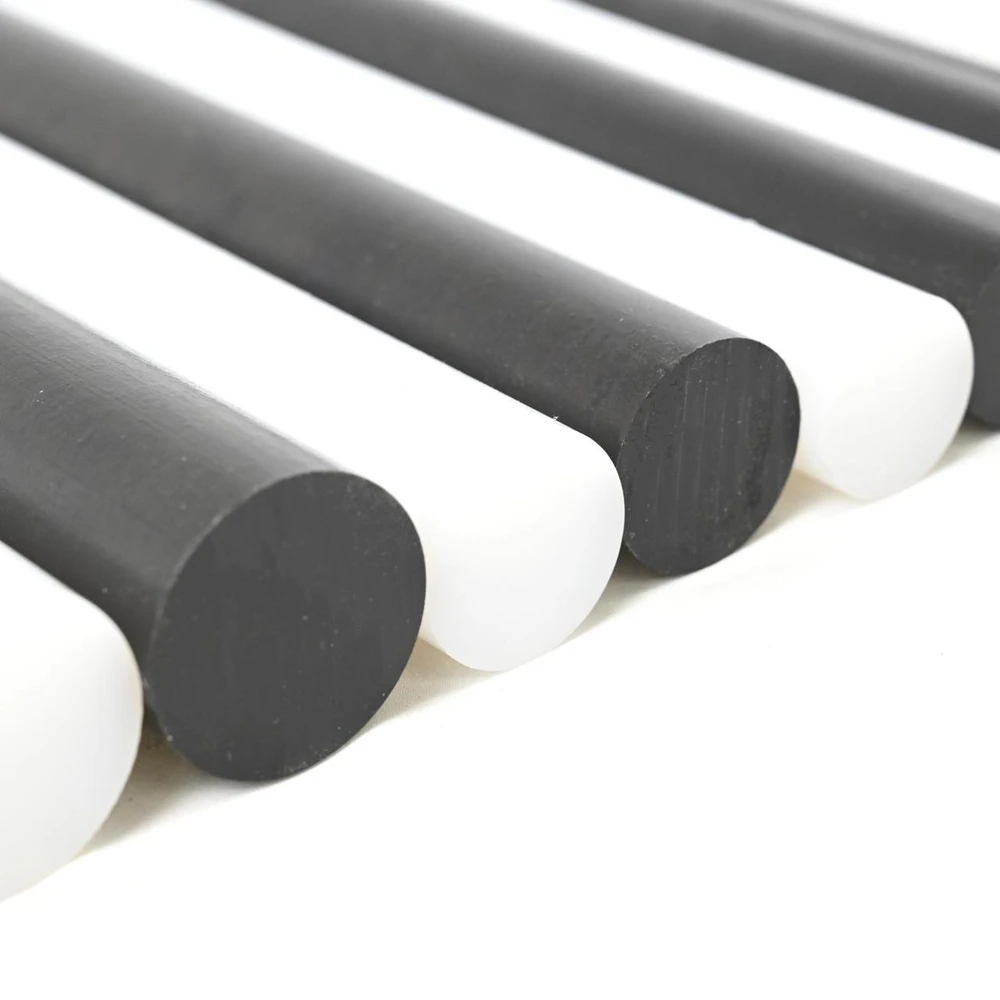
POM / Acetal raw stock
POM / AcetalPOM-C · POM-H
A practical option for sliding and mechanical parts. Specify the exact grade and any color, food-contact, or documentation requirements.Gears, bushings, guides, and precision spacers
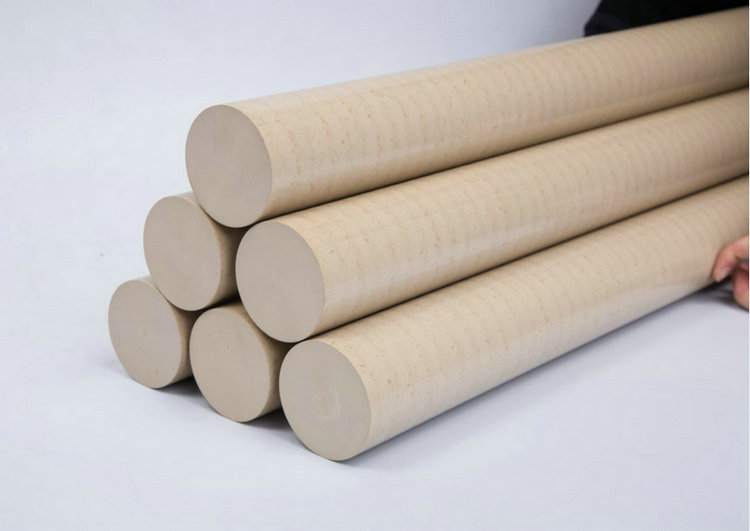
PEEK raw stock
PEEKUnfilled · Reinforced grades
A high-performance polymer considered for demanding thermal and chemical environments. Grade selection is essential when stiffness, wear, or cleanliness matters.Equipment components, wear parts, and insulators
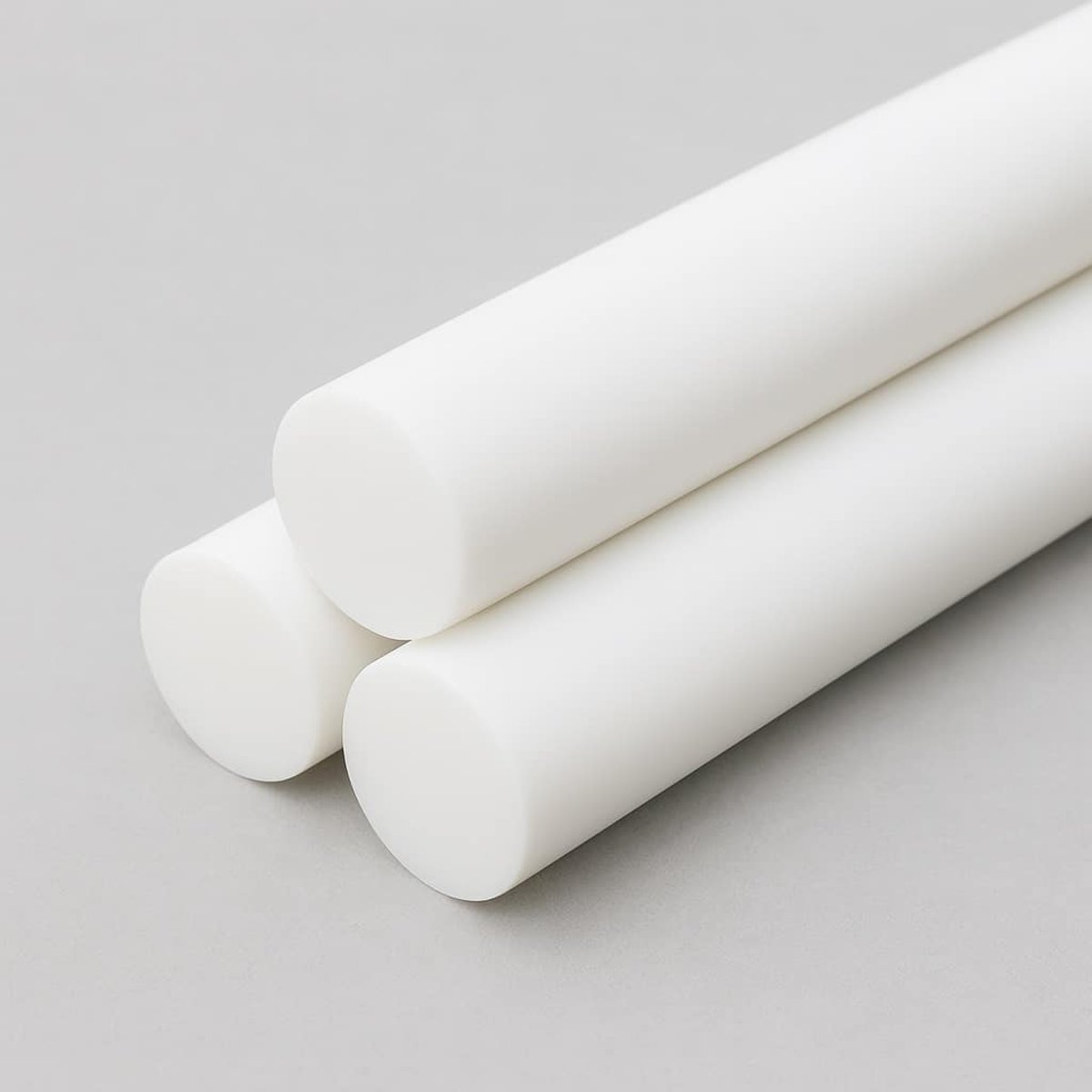
PTFE raw stock
PTFEVirgin · Filled grades
Selected for chemical compatibility and low-friction interfaces. Its comparatively compliant behavior requires careful clamping and tolerance planning.Seals, seats, liners, and low-friction components
Nylon / PA raw stock
Nylon / PAPA6 · PA66 · Cast nylon
Used in mechanical and wear applications. Moisture conditioning should be considered when dimensional stability matters.Rollers, pulleys, bushings, and guides
Polycarbonate raw stock
PolycarbonatePC
A transparent engineering plastic for protective and functional components. Clarify optical expectations and exposure to cleaning agents before machining.Guards, covers, windows, and equipment housings
ABS raw stock
ABSABS stock shapes
A useful option for housings and fit-check prototypes. Wall thickness, appearance, and thermal demands should be matched to the chosen stock.Enclosures, prototype bodies, and covers
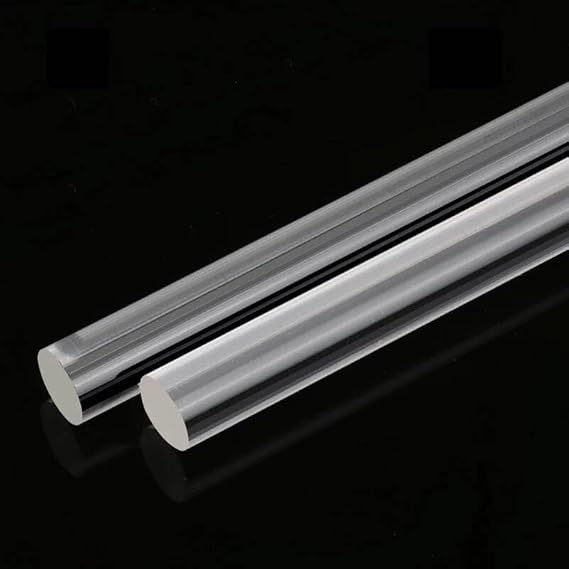
PMMA / Acrylic raw stock
PMMA / AcrylicCast acrylic
Often chosen for transparent components where appearance is important. Machining and polishing expectations should be specified separately.Viewing panels, displays, and transparent fixtures
UHMW-PE raw stock
UHMW-PEVirgin · Modified grades
Commonly considered for wear strips and low-friction contact parts. Compliance affects thin features and measurement strategy.Wear pads, guides, and conveyor components
Need a grade that is not listed?Send your material specification
Manufacturing application for plastic cnc machining

How to Choose a Material for Plastic CNC Machining

Design for a polymer, not a metal substitute

Plastic components need a design review that considers stiffness, wall thickness, clamping pressure, and the way the part carries load. Deep threads, slender ribs, and unsupported surfaces can require a different approach from an equivalent metal part. Identify inserts, mating hardware, and assembly torque early.
Define the condition in which the part is measured

Moisture and temperature can influence dimensional behavior, especially for moisture-sensitive polymers. Agree the inspection condition, conditioning steps, and functional tolerances before production. Material-specific machining and annealing guidance should inform the route.

Process Planning for Plastic CNC Machining

A material choice becomes useful when it is connected to tooling, workholding, finishing, and inspection. These are the priorities we bring into the project review.

Low-stress workholding

Support the component without distorting it. Consider how it will relax after unclamping and avoid using fixture pressure to force a dimension.

Heat and chip control

Select tooling and cutting conditions around the resin and stock form. Keep chip evacuation and surface quality central to the process review.

Edges and cleanliness

Specify burr limits, cosmetic surfaces, and cleaning compatibility. Clear plastic parts may need a separate finishing plan for optical appearance.

Industries and Applications for Plastic CNC Machining

Define the working environment and assembly interface before choosing a grade. These part families provide a starting point for a more specific engineering discussion.

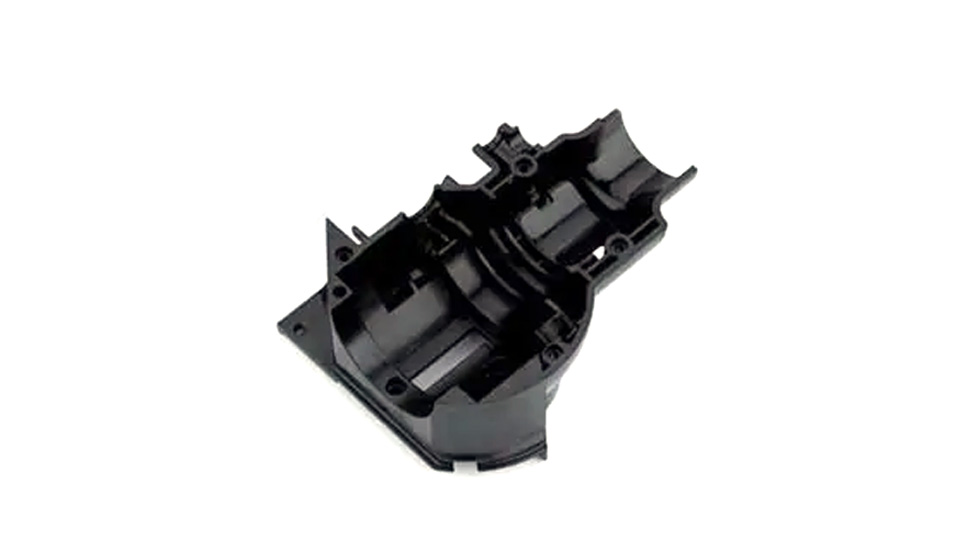
Black machined POM housing with support ribs and internal locating features

Automation fixtures and housings

POM guide supports, sensor housings, and replaceable contact components can provide low mass and useful wear behavior. The design must account for clamping deformation, creep, and operating temperature.

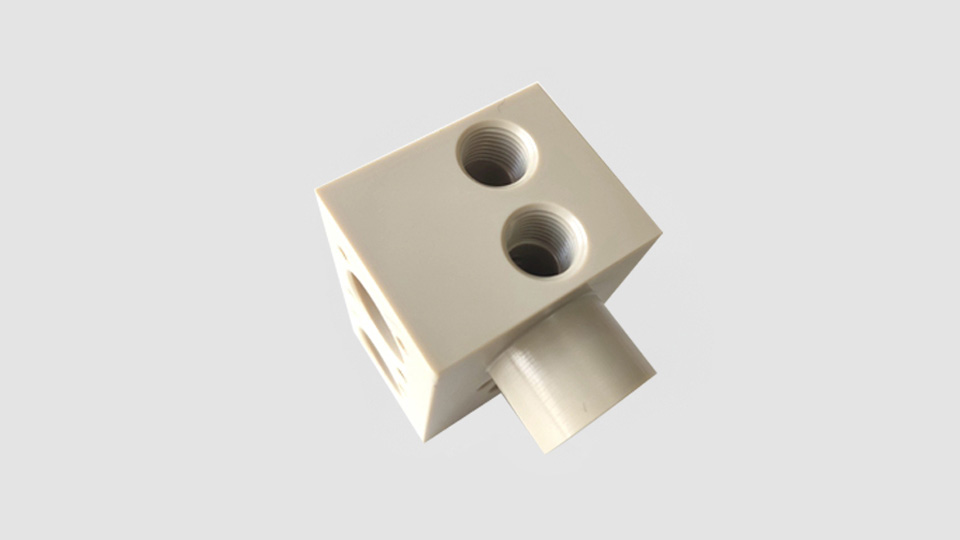
Natural-colored machined PEEK block with drilled holes and stepped faces

Electrical insulating blocks

PEEK insulating blocks and drilled spacers separate or locate electrical components. Exact grade, dielectric requirements, operating temperature, and hole-to-hole dimensions guide material and machining choices.

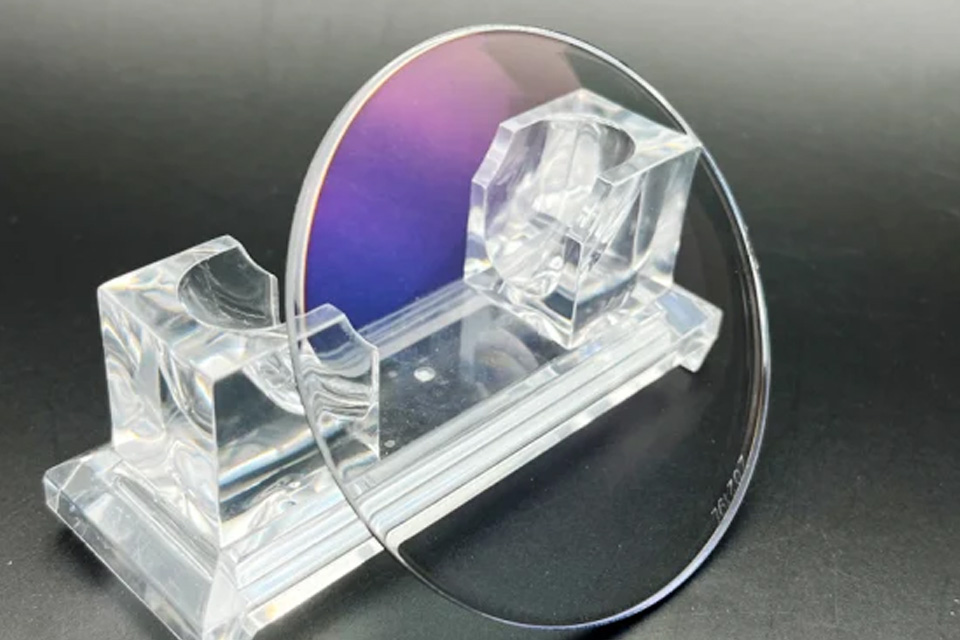
Clear machined polycarbonate instrument fixture with transparent support features

Transparent instrument mounts

Clear polycarbonate fixtures and instrument mounts provide visual access around supported components. Machining marks, optical requirements, cleaning chemicals, and stress cracking must be reviewed together.

Tolerances and Quality Control for Plastic CNC Machining

There is no useful universal tolerance for every plastic part. Size, geometry, stock condition, finishing, and the inspection method all influence what should be specified. Mark functional datums, mating features, sealing surfaces, and dimensions that apply after finishing.

Include the required surface condition, edge treatment, material records, and reporting scope with your RFQ. We can then review the manufacturing route and acceptance plan together.

Explore quality assurance

Send a Complete RFQ

01

3D CAD model and dimensioned drawing

02

Material grade, stock condition, and alternatives

03

Quantity and repeat-production requirements

04

Critical tolerances and surface requirements

05

Inspection, traceability, and documentation needs

Get Quote

Plastic CNC Machining FAQs

When should I choose plastic CNC machining instead of molding?

Machining can suit prototypes, changing designs, low quantities, and parts made from engineering stock. Molding can become more attractive as repeat volume grows; compare tooling investment, geometry, material options, and production quantity.

Can plastic parts use metal-part tolerances?

Some features may require comparable precision, but the answer depends on resin, geometry, temperature, moisture, and measurement conditions. Define functional requirements and review them for the selected grade.

Can you supply clear machined plastic parts?

PC and PMMA are common candidates. Machined transparency and optical-quality clarity are different requirements, so specify the viewing area, appearance standard, and any polishing needs.

Discuss Your Plastic CNC Machining Project

Send us your drawing, material, quantity, and quality requirements.
We’ll help define the next step.

Get Quote