
Brass CNC Machining Service
Plyconn provides brass CNC machining for precision fittings, connectors, valves, inserts, and electrical hardware with productive cutting, clean threads, finishing, and repeat production control.
- Material-specific DFM and process selection
- Critical features down to ±0.01 mm after review
- Machining, secondary processing, and inspection
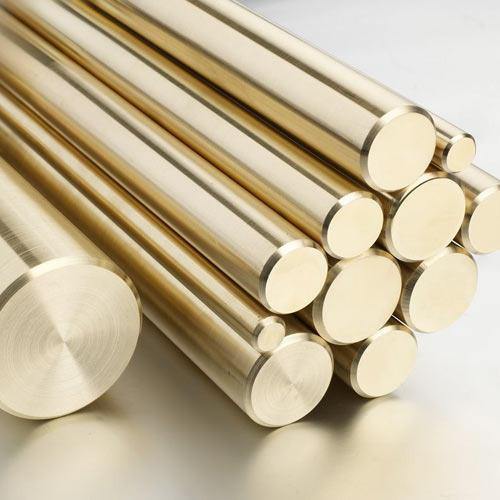
Brass CNC Machining Capabilities
Practical starting points; final capability depends on grade, condition, part size, geometry, finishing, and inspection method.
Why Use Brass for CNC Machining?
Material selection connects mechanical performance, service environment, manufacturability, finishing, availability, and total production cost.
Excellent machinability
Free-cutting brass supports short chips, productive cycles, fine threads, and good surface finish.
Corrosion resistance
Brass performs well in many water, atmospheric, and industrial environments.
Electrical conductivity
Copper content provides useful conductivity for terminals and connectors.
Low friction
Brass is widely used in bushings, valve components, and sliding interfaces.
Formability options
Selected grades support forming, forging, and secondary fabrication.
Finish versatility
Nickel, chrome, tin, gold, polishing, and passivation support appearance and function.
CNC Machining Services for Brass Parts
We select the platform around geometry, datum relationships, access, size, batch volume, and manufacturing risk.
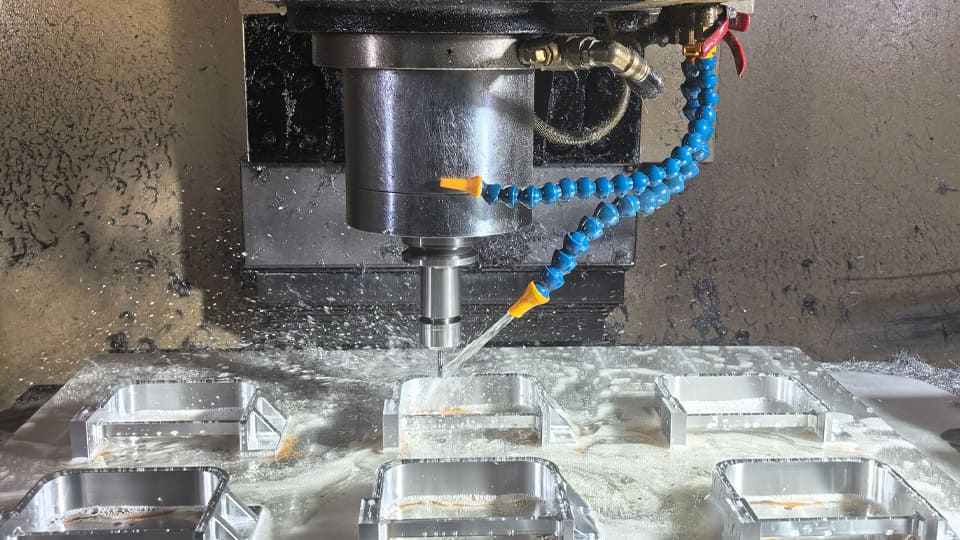
5-Axis CNC Machining
Complex housings, deep cavities, compound angles, and multi-face geometry tied to a common datum.
Explore service →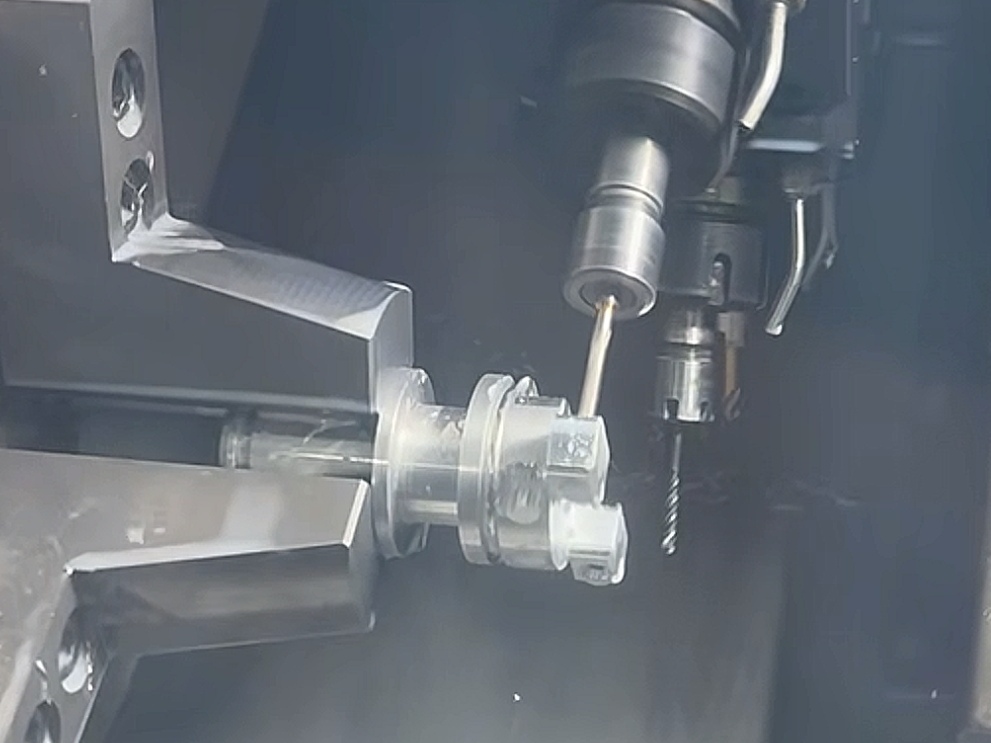
Mill-Turn Machining
Rotational parts with flats, cross holes, pockets, threads, and back-working in one coordinated cycle.
Explore service →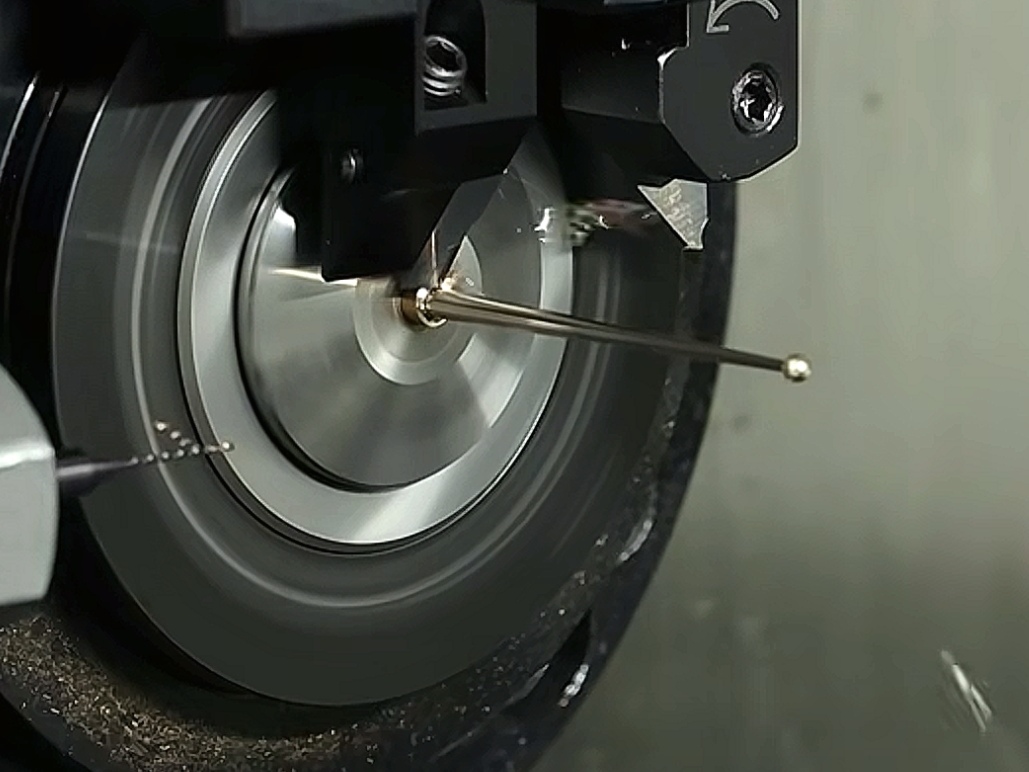
Swiss Machining
Small-diameter fittings, pins, inserts, connectors, and high-volume turned components.
Explore service →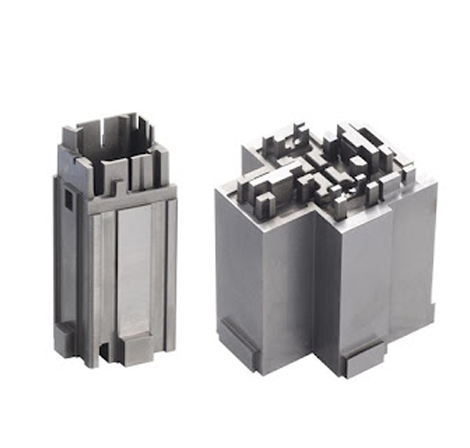
Electrical Discharge Machining
Conductive hard materials and features that are inaccessible to conventional cutters.
Explore service →Brass Grades for CNC Machining
International references are consolidated for sourcing comparison. Nominal equivalents can differ by chemistry, product form, condition, and governing standard.
| Grade | International cross-reference | Machining performance / behavior | Suitable applications |
|---|---|---|---|
| C360 free-cutting brass | UNS C36000 · CW603N · GB HPb59-1 (nearest common grade) · JIS C3604 | Excellent machinability, chip control, and thread quality for automated turning. | Fittings, inserts, connectors, valve and instrument parts |
| C260 cartridge brass | UNS C26000 · CW505L · GB H70 · JIS C2600 | More ductile and formable than C360; machining needs sharper tools and burr control. | Electrical parts, formed components, shells, and hardware |
| C464 naval brass | UNS C46400 · CW712R · GB HSn62-1 · JIS C4641 | Moderate machinability with strong marine corrosion resistance. | Marine fittings, shafts, fasteners, and valve components |
| C693 lead-free brass | UNS C69300 · lead-free silicon brass | Good machinability without intentional lead addition; tooling is selected for silicon content. | Potable-water fittings, valves, and regulated applications |
| H62 brass | GB H62 · approximately CuZn38 family · JIS C2801 nearest by composition | General machining and forming performance; confirm exact governing specification. | General hardware, sleeves, plates, and decorative components |
** Specify the governing standard, condition, product form, and certificate requirement. We verify equivalency before production.
Brass CNC Machining Tolerances and Part Sizes
Critical dimensions are reviewed against material condition, wall thickness, datums, tool access, temperature, and inspection method.
| Capability | Reference value | Application note |
|---|---|---|
| Typical tolerance | ±0.025 mm | For controlled drawing dimensions |
| Precision features | ±0.01 mm | Subject to geometry and inspection review |
| Surface finish | Ra 0.8 μm | Achievable on accessible machined surfaces |
| 5-axis envelope | 600 × 600 × 500 mm | Complex multi-face components |
| 3-axis travel | 1,000 × 600 × 600 mm | Plates, housings, and fixtures |
| Turning range | Ø3–300 mm | Pins, fittings, shafts, and sleeves |
| Geometric tolerance | ⏥ 0.02 mm | Typical position Ø0.03–0.05 mm |
| General tolerance | ISO 2768-mK | Unless the drawing specifies otherwise |
Surface Finishes for Brass CNC Machined Parts
Choose a finish by function first. Thickness, masking, and final dimensions are defined before machining where tolerances are affected.
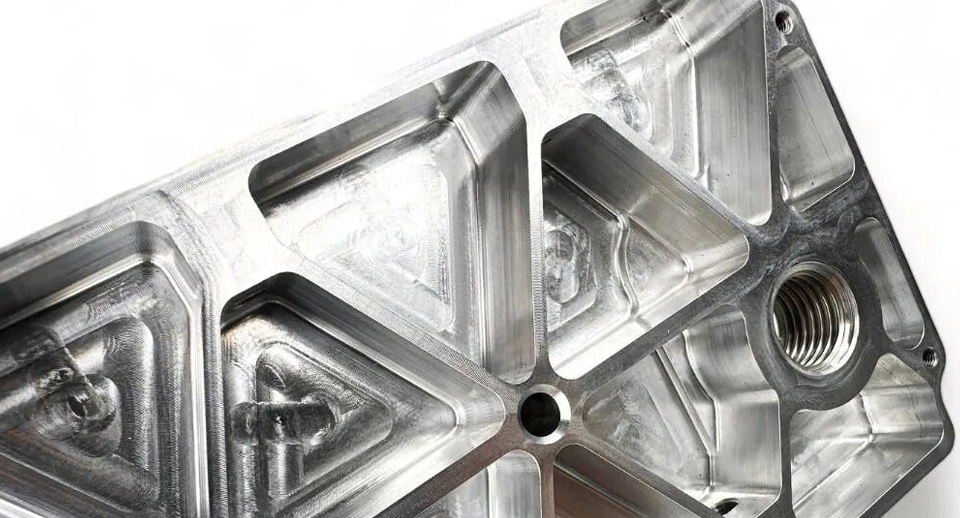
As machined
Bright functional finish with clean threads and deburred edges.
No buildup. No coating allowance required.
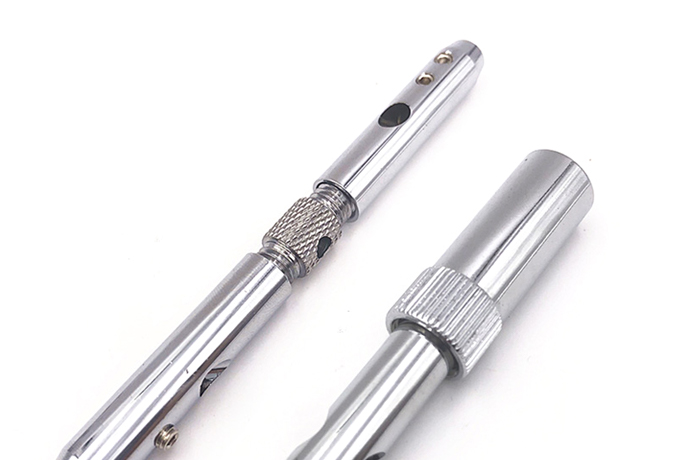
Nickel plating
Silver appearance with corrosion and wear protection.
Allow for buildup. Include deposit thickness on fits.
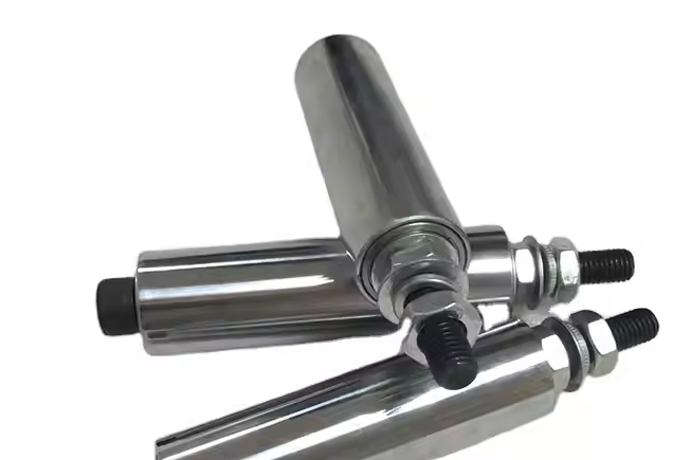
Chrome plating
Bright decorative and wear-resistant top layer.
Allow for buildup. Normally applied over nickel.
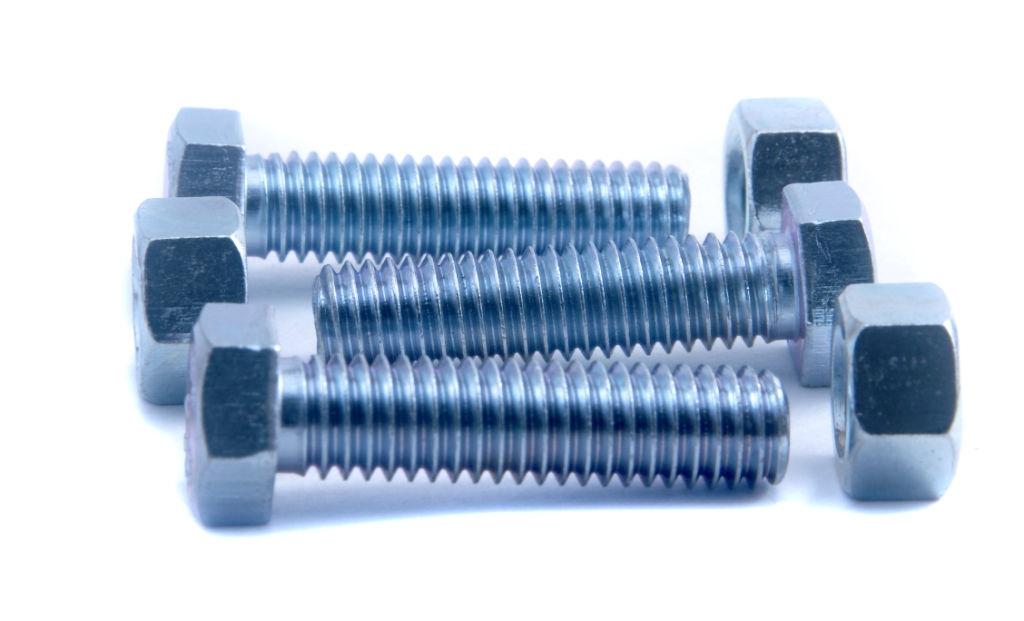
Tin plating
Improves solderability for electrical parts.
Allow for buildup. Mask threads and precision interfaces as needed.

Gold plating
Stable low-level electrical contact performance.
Allow for buildup. Usually applied over a nickel barrier.
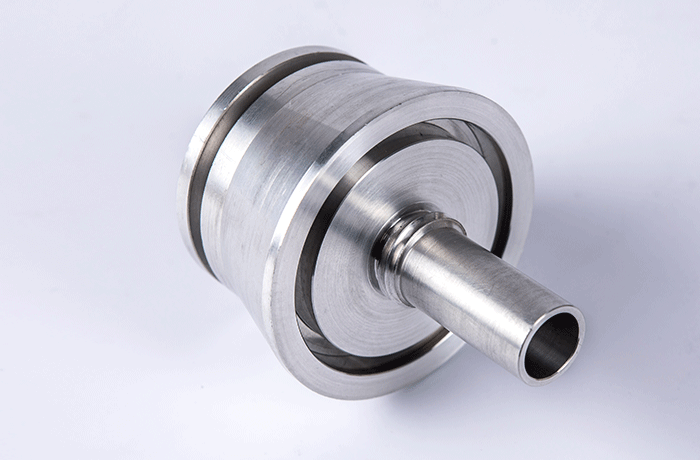
Polishing
Bright cosmetic brass surface.
Removes material. Protect sharp edges and controlled geometry.
Material Condition and Stability in Brass CNC Machining
Brass is generally dimensionally predictable, but product form, residual stress, lead content, and plating still influence the route.
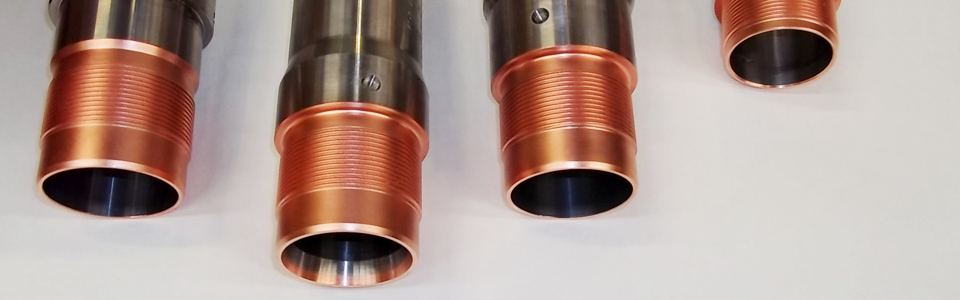
Temper selection
Hard, half-hard, or annealed stock is matched to machining, forming, and strength requirements.
Stress-relief annealing
An approved cycle may reduce residual stress and season-cracking risk in suitable copper-zinc alloys.
Burr and thread control
Tool geometry and edge finishing protect small threads, sealing surfaces, and cross holes.
Plating allowance
Nickel, chrome, tin, or gold thickness is included before final dimensions are released.
Brass CNC Machining Project Examples
Examples of material selection, process planning, finishing, and inspection for common component types.
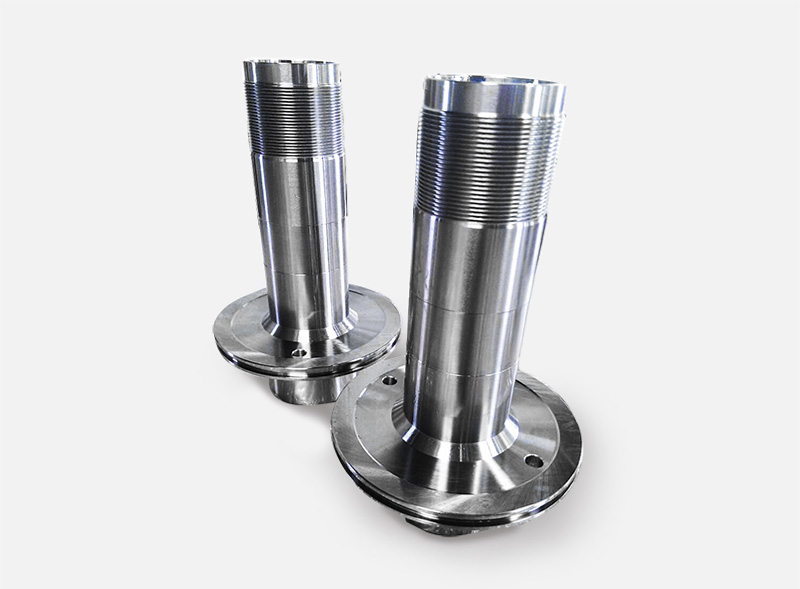
Precision Fluid Fitting
- Grade
- C360
- Process
- Swiss machining, nickel plating
Threads, sealing cones, and ports produced in a repeatable bar-fed cycle.
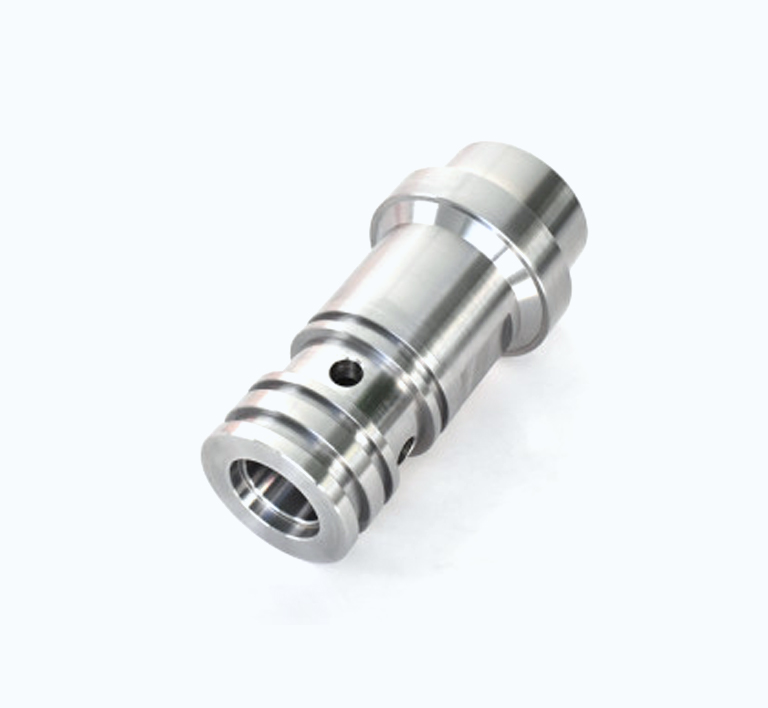
Valve Component
- Grade
- C360
- Process
- Mill-turn, polishing
Concentric bores and cross holes controlled from a shared datum.
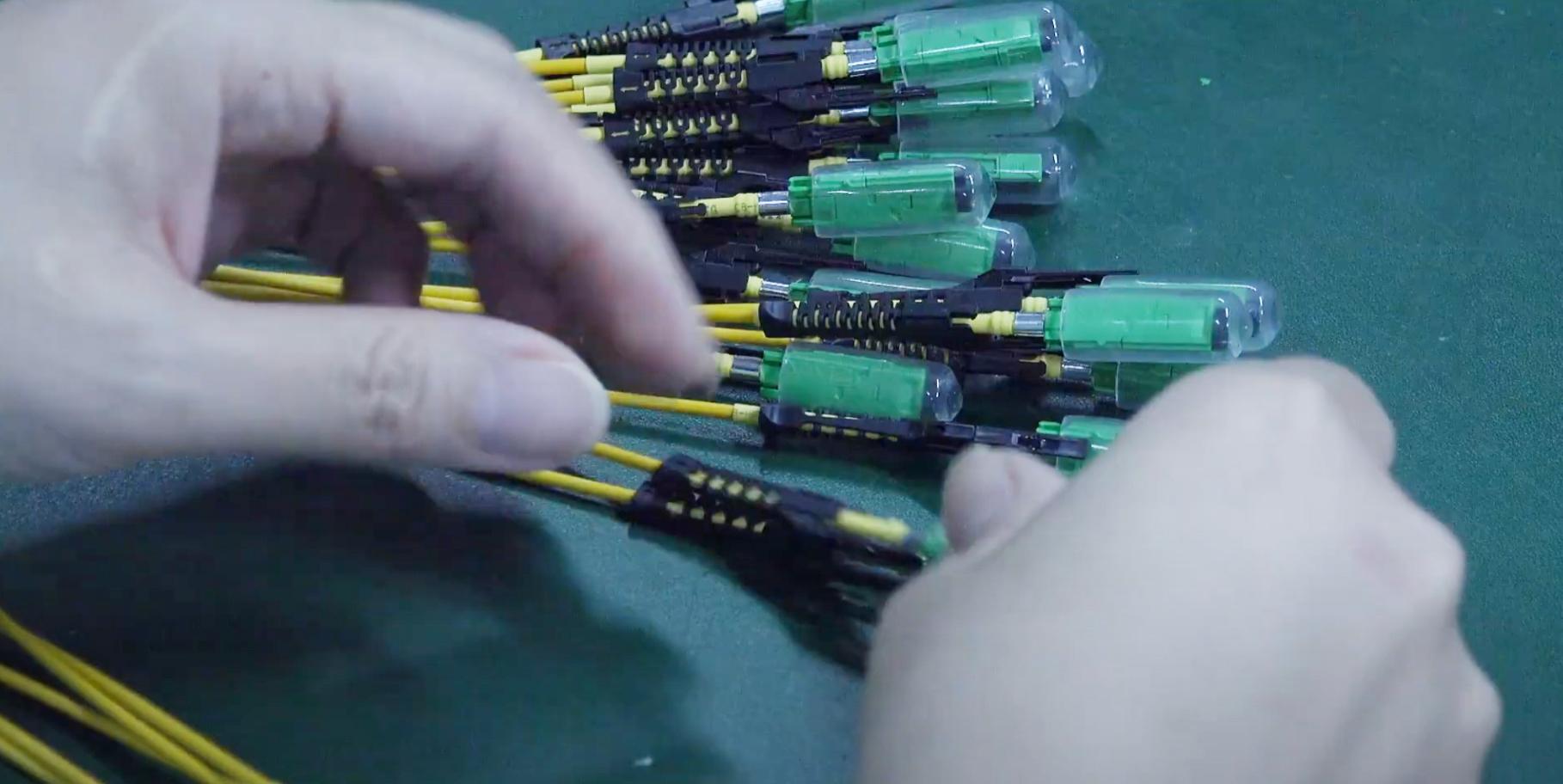
Electrical Connector Body
- Grade
- C360
- Process
- Swiss machining, gold plating
Fine threads and contact geometry protected through selective plating.
Quality Control for Brass CNC Machined Parts
Inspection is planned from the drawing. We identify datum access, measurement uncertainty, finishing state, sampling frequency, and required records before production.
Learn about our quality systemIncoming material control
Grade, condition, product form, heat or lot identity, and requested mill certificates are checked before release.
First article inspection
Critical dimensions, datums, threads, surface finish, and visual requirements are verified before batch production.
In-process verification
Machine probing, calibrated gauges, and scheduled checks monitor tool wear and dimensional drift.
Final dimensional inspection
CMM, optical, contour, roughness, thread, and conventional measurement are selected around drawing risk.
Available documentation
FAI, dimensional, CMM, material, finish, heat-treatment, and conformity records are available by requirement.
Repeat-order control
Approved programs, fixtures, inspection plans, revisions, and traceability records support consistent repeat production.
Our Brass CNC Machining Workflow
A clear workflow carries the project through engineering review, production, secondary processing, inspection, and shipment.
Upload files
Send CAD, drawing, material condition, quantity, finish, tolerances, and documentation needs.
Quote and manufacturability analysis
We review geometry, stock, tooling, distortion, datums, finishing allowance, inspection, lead time, and cost.
Machining and first article inspection
Material is released, setups are controlled, and the first part is inspected before the remaining quantity proceeds.
Heat treatment and post-processing
Approved thermal processing, deburring, finishing, marking, and cleaning are coordinated.
Final inspection and shipping
Dimensions, finish, appearance, documents, cleaning, and packaging are verified before shipment.
Brass CNC Machining FAQs
Which brass is best for CNC machining?
C360 free-cutting brass is the standard choice for productivity, chip control, threads, and surface finish.
Do you machine lead-free brass?
Yes. Lead-free grades such as C693 can be machined with tooling selected for their different cutting behavior.
Can brass parts be plated?
Yes. Nickel, chrome, tin, silver, and gold are common depending on corrosion, appearance, solderability, and electrical needs.
Discuss Your Brass CNC Machining Project
Send us your drawing, material, quantity, and quality requirements.
We’ll help define the next step.