
Copper CNC Machining Service
Plyconn machines high-conductivity copper parts for thermal, electrical, vacuum, and industrial systems with controlled workholding, burr management, finishing, and inspection.
- Material-specific DFM and process selection
- Critical features down to ±0.01 mm after review
- Machining, secondary processing, and inspection
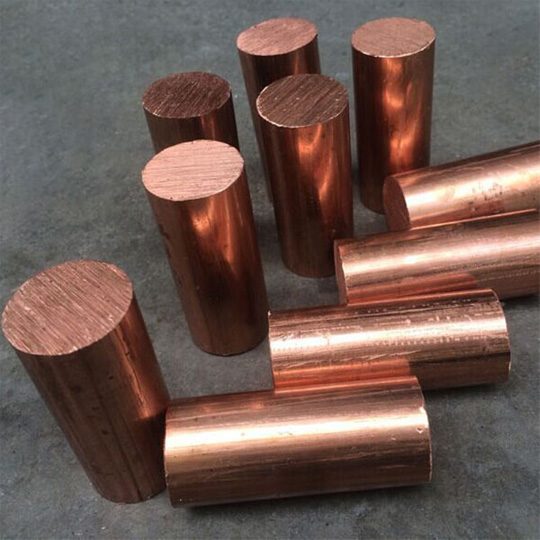
Copper CNC Machining Capabilities
Practical starting points; final capability depends on grade, condition, part size, geometry, finishing, and inspection method.
Why Use Copper for CNC Machining?
Material selection connects mechanical performance, service environment, manufacturability, finishing, availability, and total production cost.
Thermal conductivity
Pure copper efficiently transfers heat in cold plates, heat spreaders, and power electronics.
Electrical conductivity
C101 and C110 support contacts, busbars, electrodes, and conductive hardware.
Corrosion resistance
Copper forms protective surface films in many atmospheric and water environments.
Formability
Many grades support bending, joining, and secondary fabrication.
Vacuum compatibility
OFHC copper is widely used for controlled high-vacuum and scientific applications.
Plating compatibility
Nickel, tin, silver, and gold coatings support solderability, wear, and contact performance.
CNC Machining Services for Copper Parts
We select the platform around geometry, datum relationships, access, size, batch volume, and manufacturing risk.
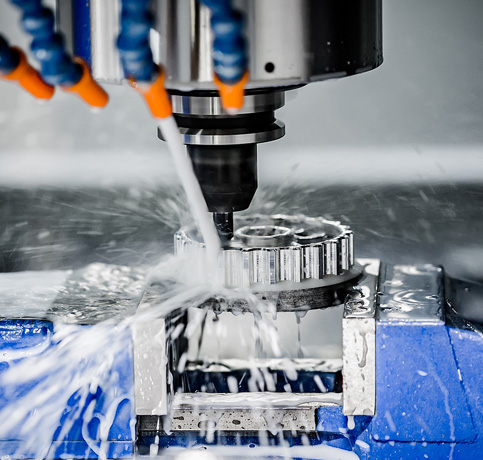
5-Axis CNC Machining
Complex housings, deep cavities, compound angles, and multi-face geometry tied to a common datum.
Explore service →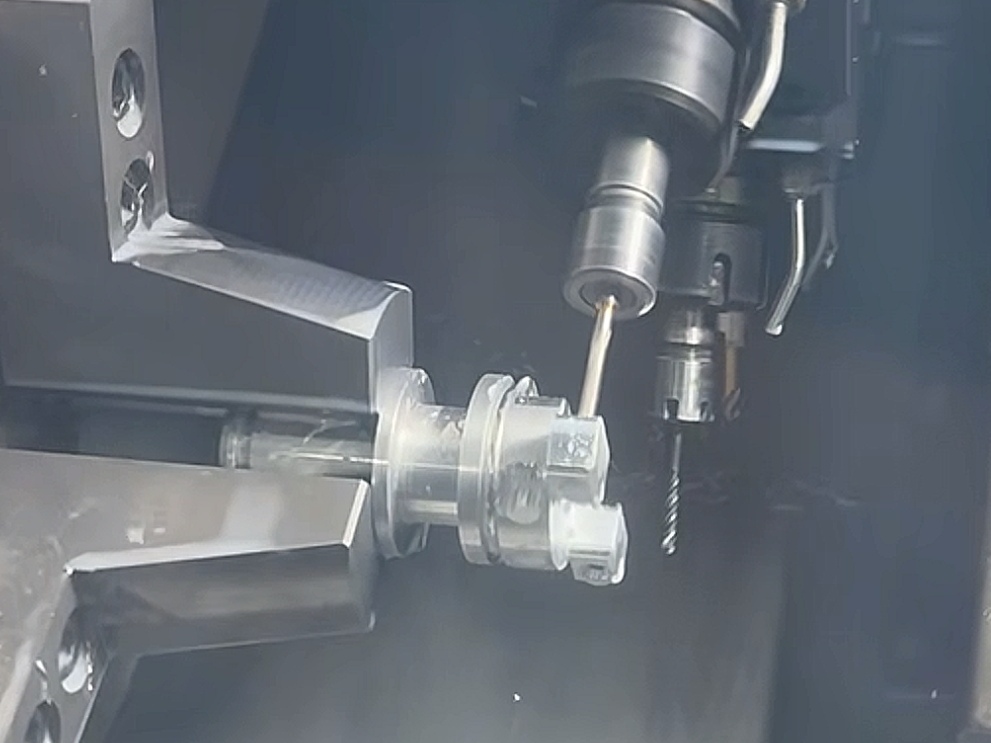
Mill-Turn Machining
Rotational parts with flats, cross holes, pockets, threads, and back-working in one coordinated cycle.
Explore service →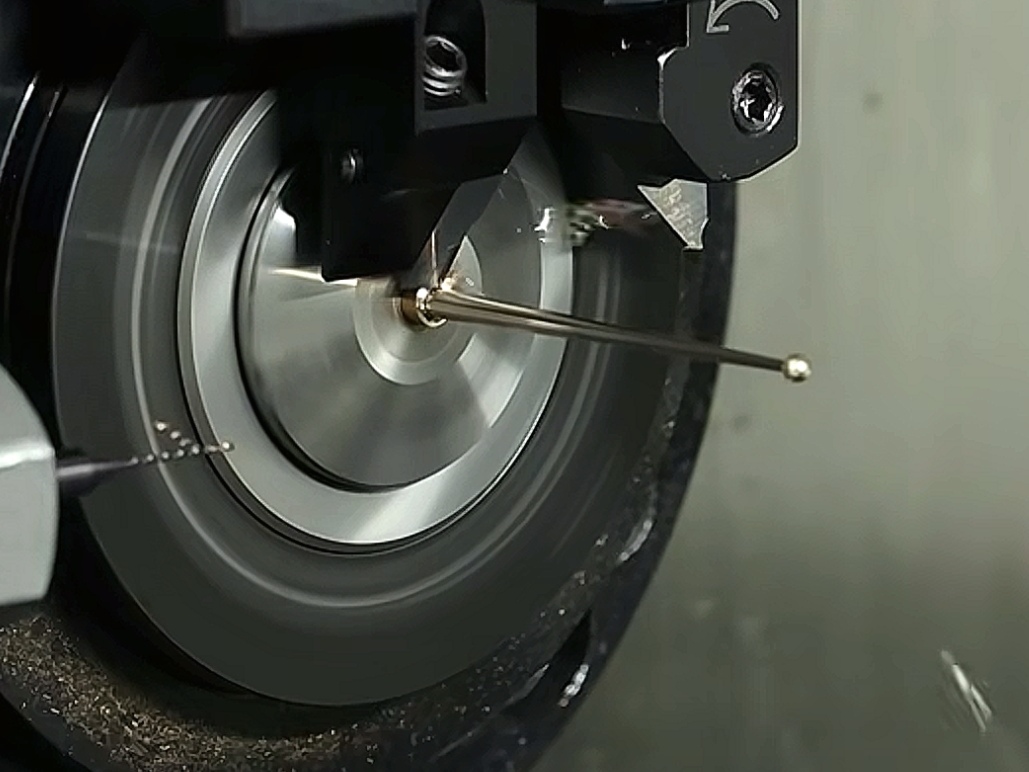
Swiss Machining
Small-diameter fittings, pins, inserts, connectors, and high-volume turned components.
Explore service →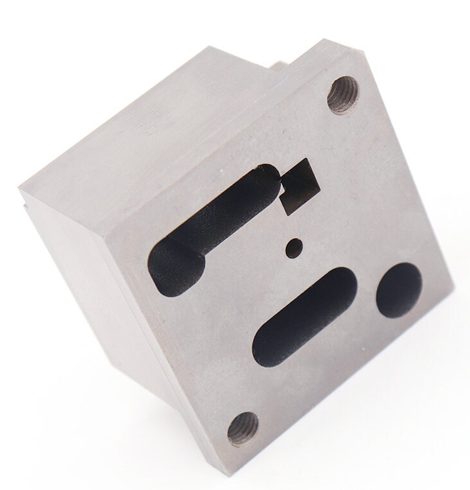
Electrical Discharge Machining
Conductive hard materials and features that are inaccessible to conventional cutters.
Explore service →Copper Grades for CNC Machining
International references are consolidated for sourcing comparison. Nominal equivalents can differ by chemistry, product form, condition, and governing standard.
| Grade | International cross-reference | Machining performance / behavior | Suitable applications |
|---|---|---|---|
| C101 / OFE | UNS C10100 · CW009A · GB TU0 · JIS C1011 | Soft and gummy; sharp tools, stable support, and controlled burr formation are essential. | High-vacuum, electronics, scientific and ultra-high-conductivity parts |
| C102 / OF | UNS C10200 · CW008A · GB TU1 · JIS C1020 | High conductivity with careful chip and surface control. | Busbars, thermal parts, contacts, and vacuum components |
| C110 / ETP | UNS C11000 · CW004A · GB T2 · JIS C1100 | Common conductive copper; ductility and built-up edge require sharp geometry. | Cold plates, electrodes, busbars, and electrical hardware |
| C145 tellurium copper | UNS C14500 · CW118C · GB QTe0.5 · JIS C14500 | Much better machinability than pure copper with useful conductivity. | Connectors, fittings, contacts, and precision turned parts |
| C172 beryllium copper | UNS C17200 · CW101C · GB QBe2 · JIS C1720 | Machines in solution-treated or aged condition; dust and process controls are required. | Springs, contacts, tooling, and non-sparking components |
** Specify the governing standard, condition, product form, and certificate requirement. We verify equivalency before production.
Copper CNC Machining Tolerances and Part Sizes
Critical dimensions are reviewed against material condition, wall thickness, datums, tool access, temperature, and inspection method.
| Capability | Reference value | Application note |
|---|---|---|
| Typical tolerance | ±0.025 mm | For controlled drawing dimensions |
| Precision features | ±0.01 mm | Subject to geometry and inspection review |
| Surface finish | Ra 0.8 μm | Achievable on accessible machined surfaces |
| 5-axis envelope | 600 × 600 × 500 mm | Complex multi-face components |
| 3-axis travel | 1,000 × 600 × 600 mm | Plates, housings, and fixtures |
| Turning range | Ø3–300 mm | Pins, fittings, shafts, and sleeves |
| Geometric tolerance | ⏥ 0.02 mm | Typical position Ø0.03–0.05 mm |
| General tolerance | ISO 2768-mK | Unless the drawing specifies otherwise |
Surface Finishes for Copper CNC Machined Parts
Choose a finish by function first. Thickness, masking, and final dimensions are defined before machining where tolerances are affected.
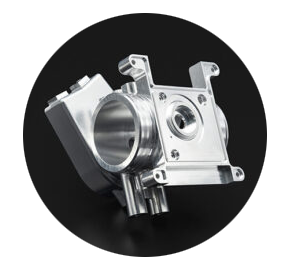
As machined
Bright functional surface with controlled burr removal.
No buildup. Edge finishing can affect small details.
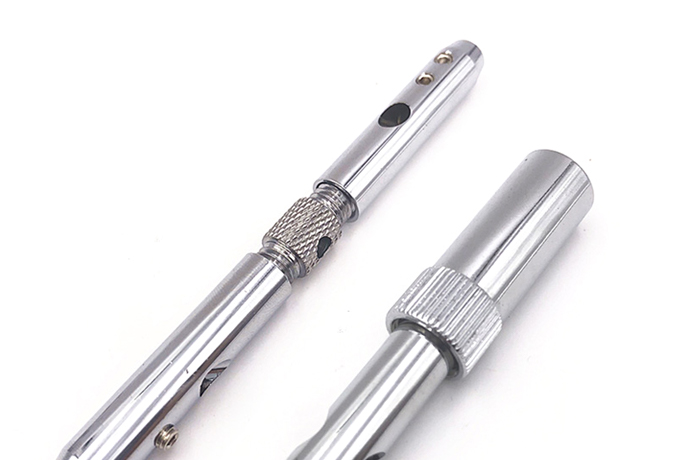
Nickel plating
Barrier layer for corrosion, wear, and subsequent plating.
Allow for buildup. Include thickness on fits and contacts.
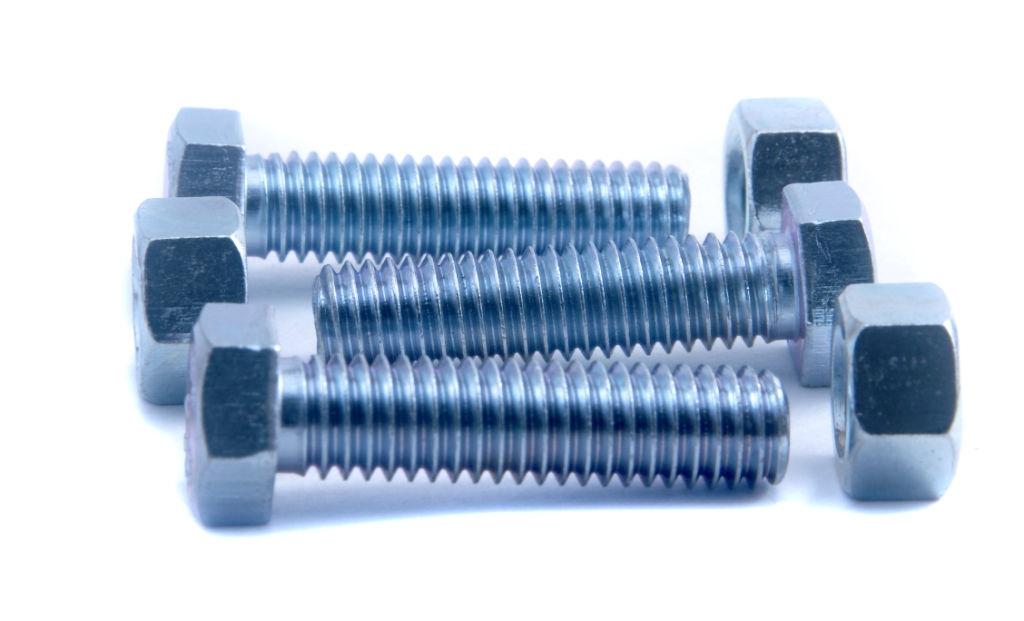
Tin plating
Supports solderability and electrical connections.
Allow for buildup. Mask critical dimensions when needed.
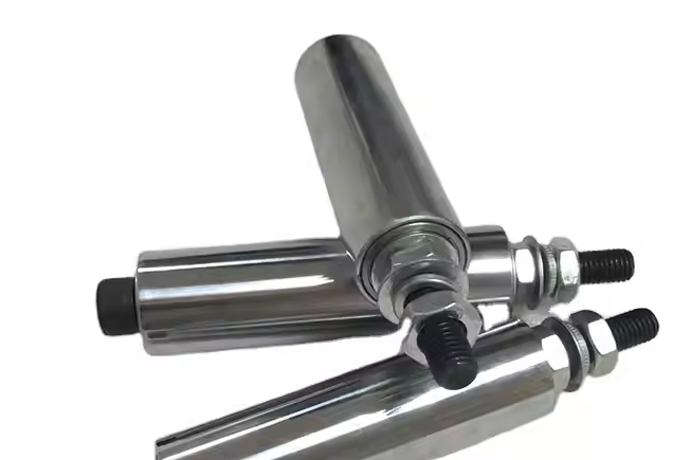
Silver plating
High electrical performance at contact surfaces.
Allow for buildup. Deposit thickness affects contact geometry.

Gold plating
Corrosion-resistant low-level electrical contact finish.
Allow for buildup. Often applied over a nickel barrier.
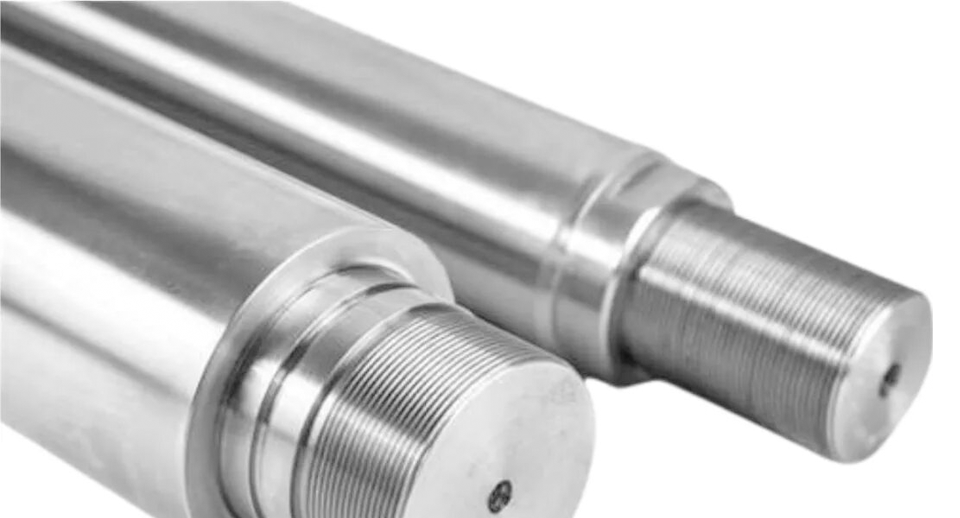
Polishing
Reduces roughness and improves appearance.
Removes material. Protect sealing surfaces and edges.
Stress Relief and Thermal Stability in Copper CNC Machining
Copper parts can move as stock is removed, especially in thin plates and heavily cold-worked material.
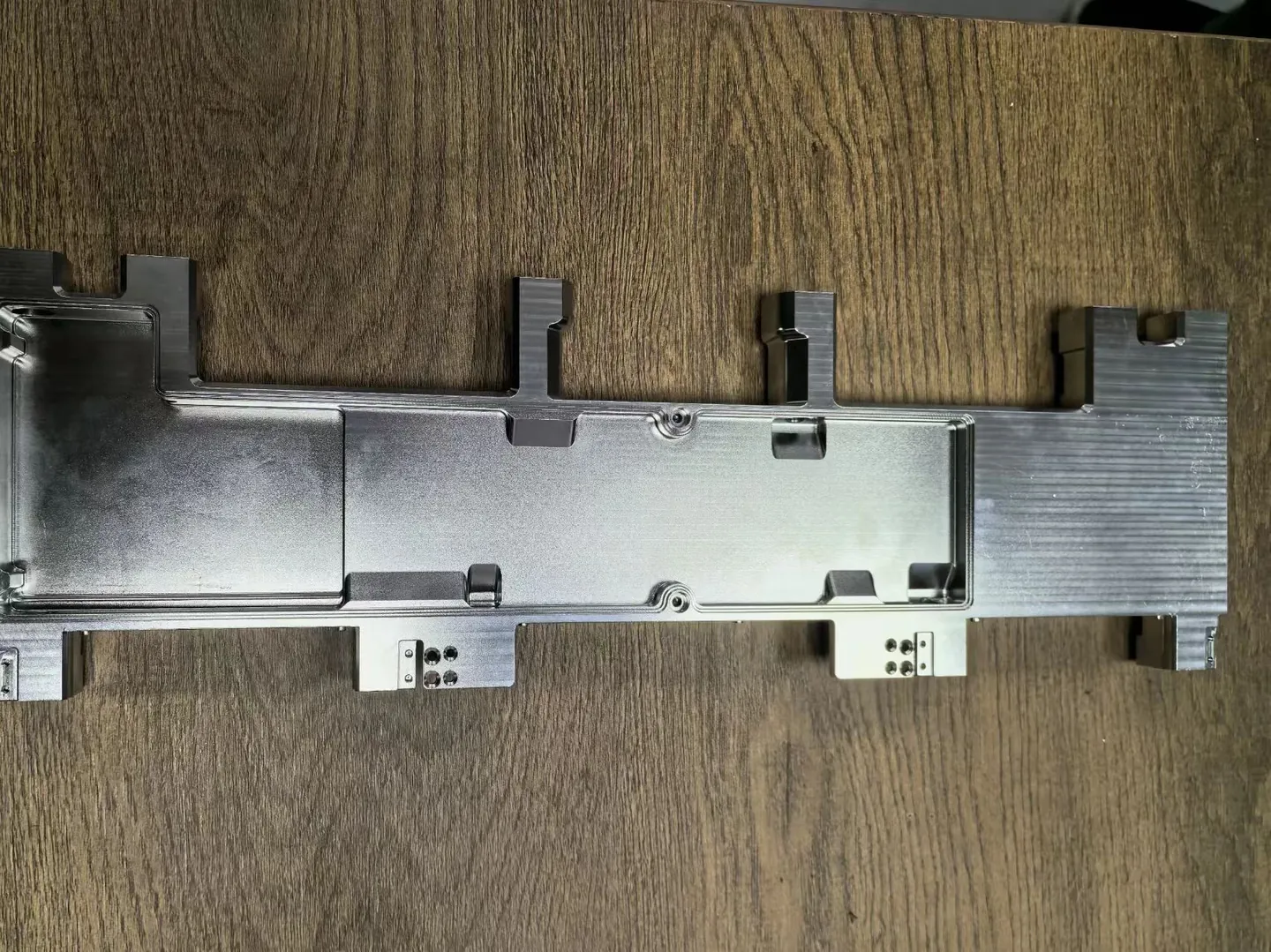
Stock condition review
Temper and product form are selected around conductivity, strength, and dimensional risk.
Stress-relief planning
Approved thermal cycles may be used where properties and conductivity requirements permit.
Balanced material removal
Symmetrical roughing and staged unclamping reduce distortion in plates and frames.
Final finishing
Critical interfaces are completed after the part stabilizes and before plating allowance is consumed.
Copper CNC Machining Project Examples
Examples of material selection, process planning, finishing, and inspection for common component types.
Liquid Cooling Plate
- Grade
- C110
- Process
- 5-axis machining, joining, leak test
Channels, sealing lands, flatness, and ports controlled for thermal performance.
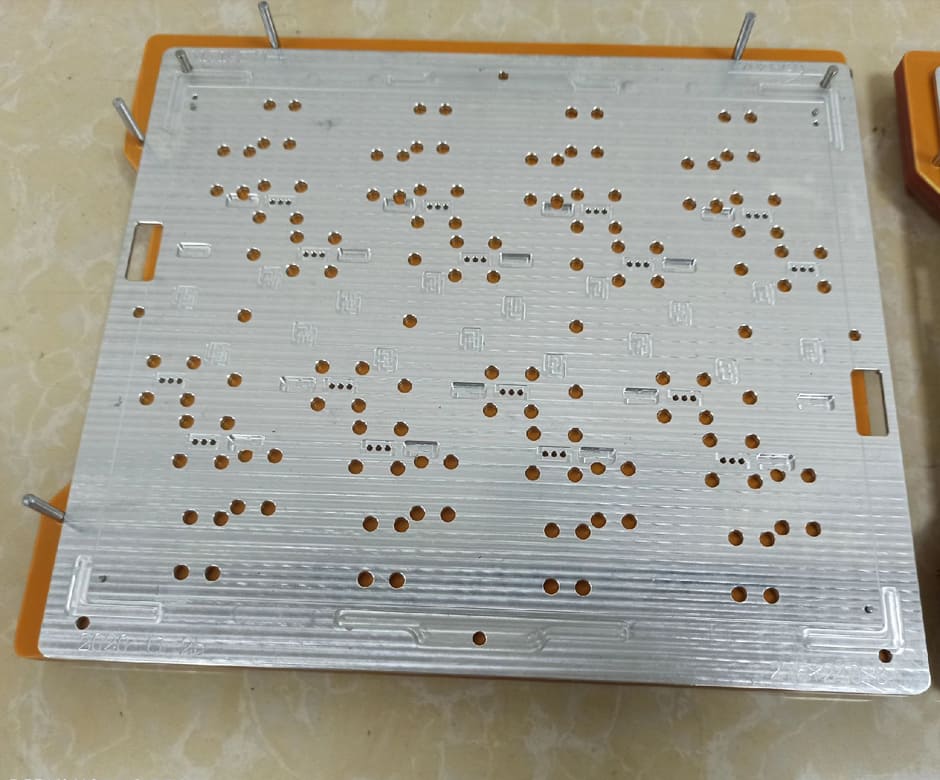
High-Current Busbar
- Grade
- C110
- Process
- Milling, drilling, tin plating
Contact faces and hole positions preserved through plating.
Precision Electrical Contact
- Grade
- C145
- Process
- Swiss machining, nickel and gold plating
Small diameters and contact geometry maintained in repeat production.
Quality Control for Copper CNC Machined Parts
Inspection is planned from the drawing. We identify datum access, measurement uncertainty, finishing state, sampling frequency, and required records before production.
Learn about our quality systemIncoming material control
Grade, condition, product form, heat or lot identity, and requested mill certificates are checked before release.
First article inspection
Critical dimensions, datums, threads, surface finish, and visual requirements are verified before batch production.
In-process verification
Machine probing, calibrated gauges, and scheduled checks monitor tool wear and dimensional drift.
Final dimensional inspection
CMM, optical, contour, roughness, thread, and conventional measurement are selected around drawing risk.
Available documentation
FAI, dimensional, CMM, material, finish, heat-treatment, and conformity records are available by requirement.
Repeat-order control
Approved programs, fixtures, inspection plans, revisions, and traceability records support consistent repeat production.
Our Copper CNC Machining Workflow
A clear workflow carries the project through engineering review, production, secondary processing, inspection, and shipment.
Upload files
Send CAD, drawing, material condition, quantity, finish, tolerances, and documentation needs.
Quote and manufacturability analysis
We review geometry, stock, tooling, distortion, datums, finishing allowance, inspection, lead time, and cost.
Machining and first article inspection
Material is released, setups are controlled, and the first part is inspected before the remaining quantity proceeds.
Heat treatment and post-processing
Approved thermal processing, deburring, finishing, marking, and cleaning are coordinated.
Final inspection and shipping
Dimensions, finish, appearance, documents, cleaning, and packaging are verified before shipment.
Copper CNC Machining FAQs
Which copper grade is easiest to machine?
Tellurium copper C145 is much easier to machine than high-purity C101 or C110.
Which copper is best for conductivity?
C101 and C102 offer very high electrical conductivity, while C110 is the widely available general conductive grade.
Can machined copper be plated?
Yes. Nickel, tin, silver, and gold are common, with thickness and masking planned before machining.
Discuss Your Copper CNC Machining Project
Send us your drawing, material, quantity, and quality requirements.
We’ll help define the next step.