
Composite CNC Machining

Compare laminated and fiber-reinforced materials for lightweight structures, insulation, fixtures, and wear components. Composite CNC machining requires the reinforcement, matrix, stock form, and loading direction to be considered together, rather than treating every composite as a uniform block.

Get a Composite CNC Quote
  • Drawing-led material review
  • Prototype to repeat production
Composites manufacturing application reference

Composites for CNC Machined Parts

Compare the composites grades and material families listed for this category, together with their machining considerations and typical part types. Final selection, availability, and feasibility are reviewed against your drawing and material specification.

Composites CNC material comparison
Material & gradesSelection considerationsTypical parts
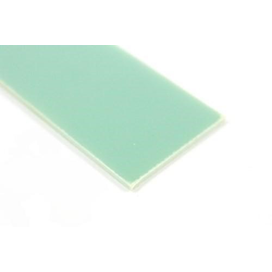
G10 Glass-Epoxy raw stock
G10 Glass-EpoxyGlass fabric / epoxy laminate
An engineering laminate considered for rigid insulating components. Confirm laminate thickness, orientation, and electrical requirements.Insulating plates, spacers, fixtures, and supports
FR4 Glass-Epoxy raw stock
FR4 Glass-EpoxyFlame-retardant laminate grades
A glass-epoxy laminate family used where an appropriate flame rating is specified. Supplier grade and certification requirements should be identified on the order.Electrical panels, equipment supports, and insulating parts
Carbon Fiber Laminate raw stock
Carbon Fiber LaminateCFRP plate · Specified layup
A lightweight structural option whose behavior depends on fiber direction, layup, and resin. Define edge quality and hole requirements before machining.Structural plates, robotic links, and instrument mounts
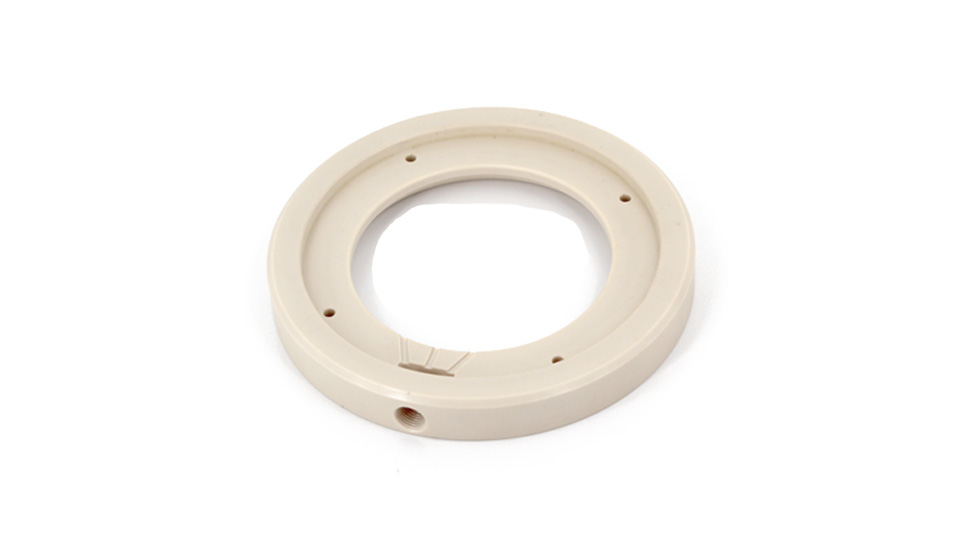
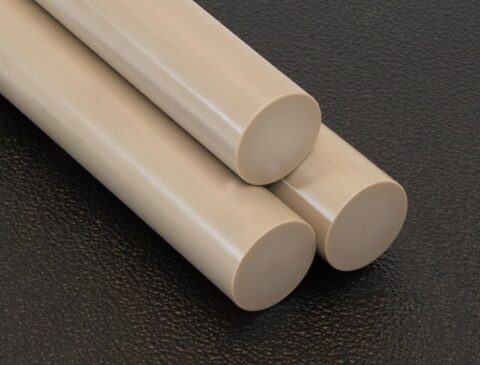
Glass-Filled PEEK raw stock
Glass-Filled PEEKSupplier-specified grades
A reinforced thermoplastic evaluated where stiffness and service environment justify a specialty grade. Filler content and stock direction are relevant inputs.Precision supports, fixtures, and equipment components
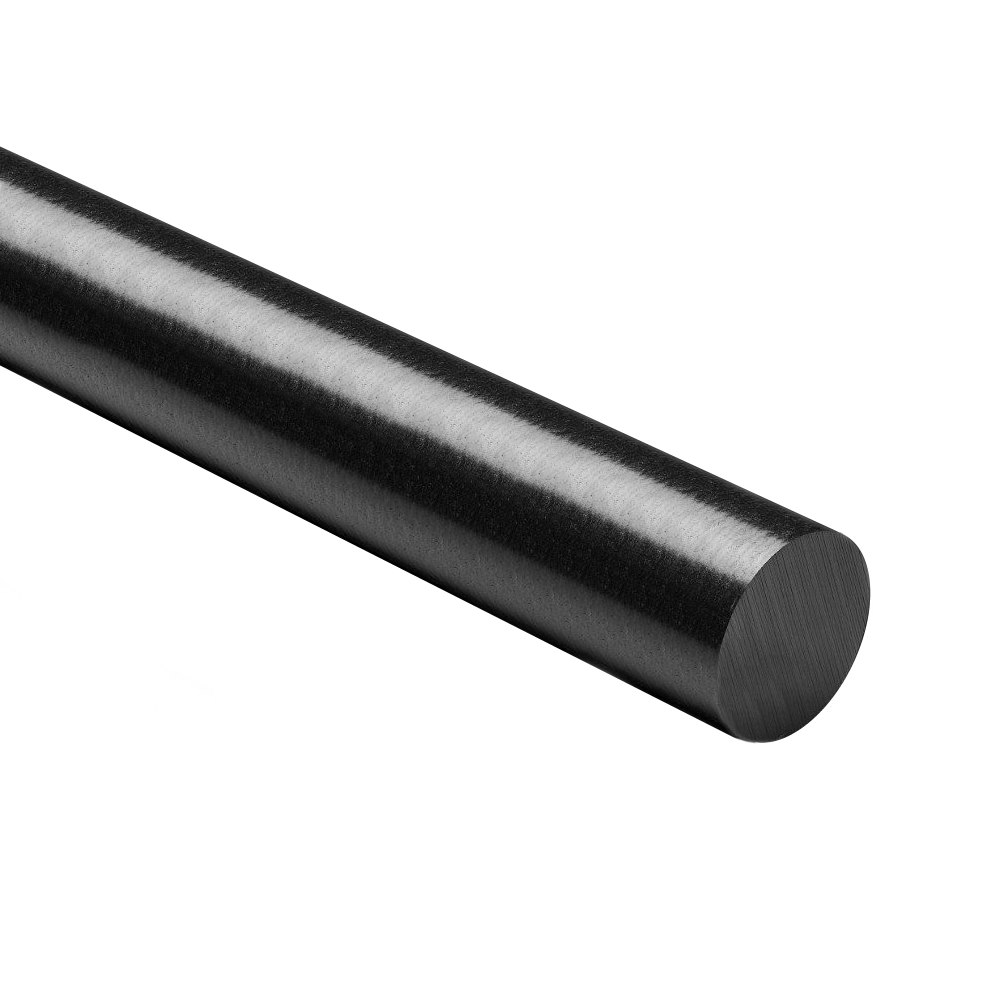
Carbon-Filled PEEK raw stock
Carbon-Filled PEEKSupplier-specified grades
Combines a PEEK matrix with carbon reinforcement. Wear, stiffness, and electrical behavior must be checked against the exact supplier data.Wear components, loaded supports, and process fixtures
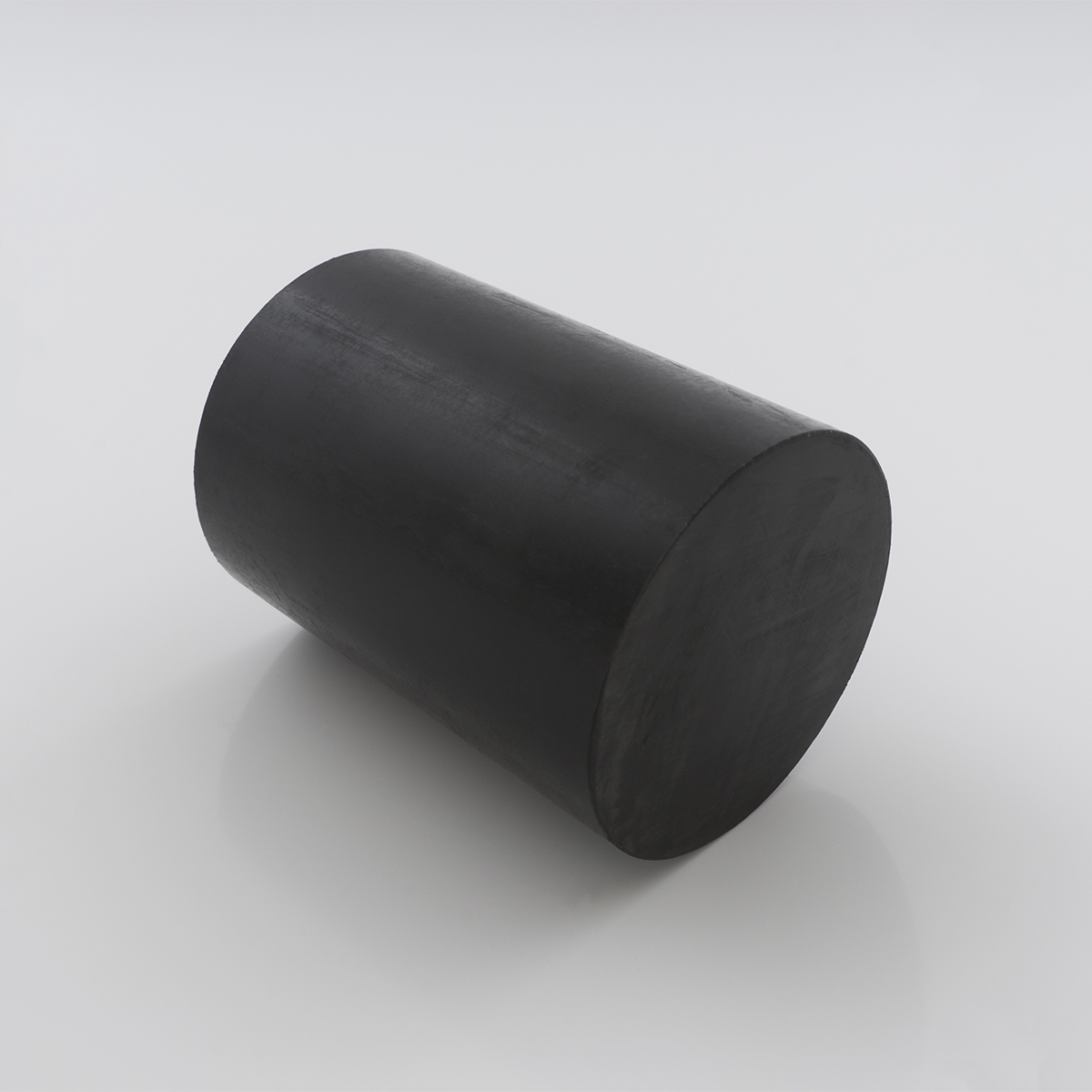
Glass-Filled Nylon raw stock
Glass-Filled NylonPA6 / PA66 reinforced grades
A reinforced polymer option for mechanical parts. Specify resin, reinforcement level, and conditioning requirements.Mounts, housings, and machine components
Need a grade that is not listed?Send your material specification
Manufacturing application for composite cnc machining

How to Choose a Material for Composite CNC Machining

Make the laminate specification part of the drawing

Composite parts depend on more than their external dimensions. Include matrix type, reinforcement, layup or stock orientation, thickness, and the direction of primary loads. A change of stock or laminate may affect performance even when the machined geometry is identical.

Inspect edges as well as dimensions

Hole walls, cut edges, and thin sections should have clear acceptance criteria. Define the allowable condition for exposed fibers and edge damage, together with any sealing requirements. Representative samples can help align appearance and inspection expectations before a production batch.

Process Planning for Composite CNC Machining

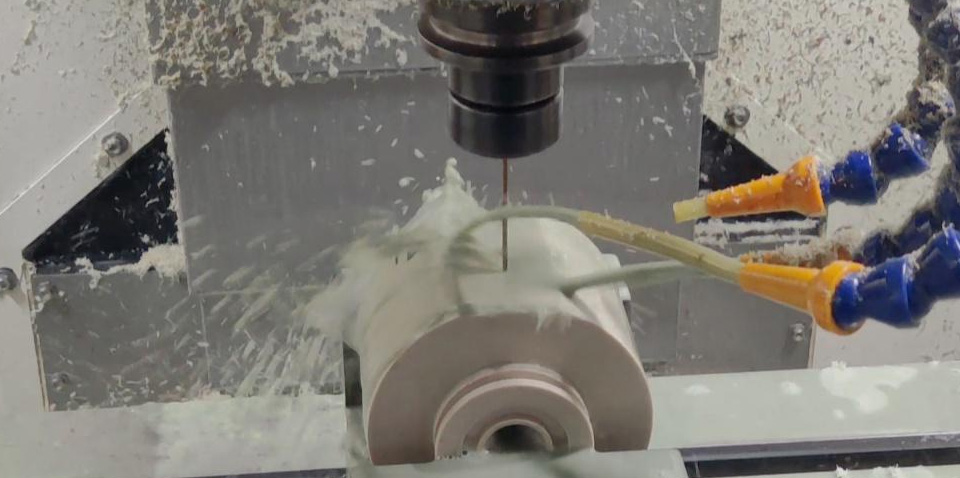
A material choice becomes useful when it is connected to tooling, workholding, finishing, and inspection. These are the priorities we bring into the project review.

Tooling and support

Match cutters, backing support, and machining sequence to the laminate or reinforced stock. Review entry and exit conditions around holes and narrow features.

Dust and surface control

Plan extraction, handling, and cleanup around the material. Protect mating surfaces and identify whether the application permits exposed reinforcement.

Joining and final checks

Review inserts, fastener loads, countersinks, and edge distances with the design. Check dimensional requirements together with the specified surface and edge condition.

Industries and Applications for Composite CNC Machining

Define the working environment and assembly interface before choosing a grade. These part families provide a starting point for a more specific engineering discussion.

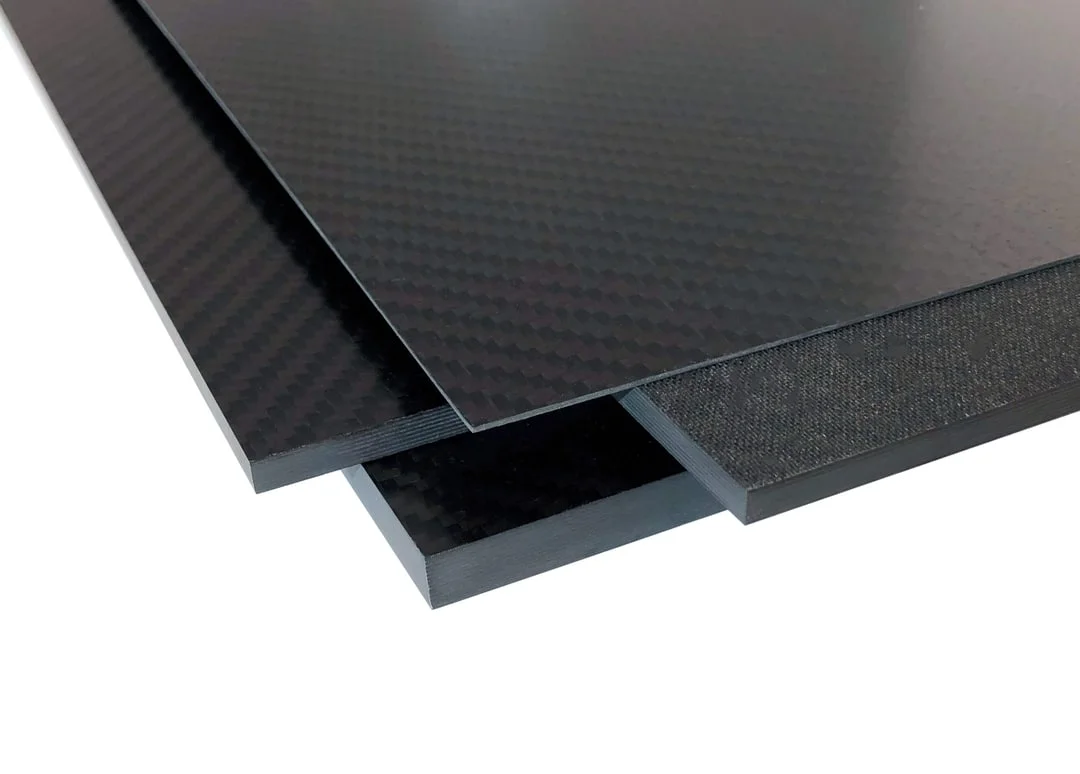
Carbon-fiber laminate plate blanks for lightweight machined structures

Lightweight structural blanks

Carbon-fiber laminate blanks can be machined into links, mounts, and support plates. Layup, edge distance, fastener loads, and delamination risk govern the component design.

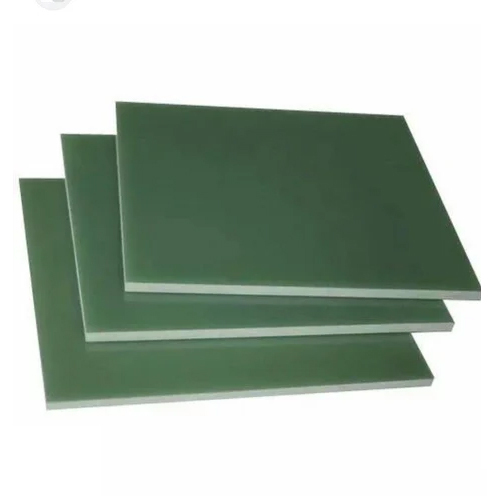
Green G10 glass-epoxy laminate blank for insulating panels

Electrical insulation panels

G10 glass-epoxy laminate provides stock for insulating panels, barriers, and supports. Fiber direction, thickness, grade-specific electrical properties, and edge condition must match the drawing.

FR4 glass-epoxy plate blanks for machined instrument supports

Instrument fixture plates

FR4 laminate blanks can become drilled spacers and instrument support plates. Flame rating, moisture exposure, hole quality, and mounting loads are evaluated for the specified grade.

Tolerances and Quality Control for Composite CNC Machining

There is no useful universal tolerance for every composite part. Size, geometry, stock condition, finishing, and the inspection method all influence what should be specified. Mark functional datums, mating features, sealing surfaces, and dimensions that apply after finishing.

Include the required surface condition, edge treatment, material records, and reporting scope with your RFQ. We can then review the manufacturing route and acceptance plan together.

Explore quality assurance

Send a Complete RFQ

01

3D CAD model and dimensioned drawing

02

Material grade, stock condition, and alternatives

03

Quantity and repeat-production requirements

04

Critical tolerances and surface requirements

05

Inspection, traceability, and documentation needs

Get Quote

Composite CNC Machining FAQs

Is G10 the same as FR4?

Do not treat the names as interchangeable specifications. Confirm the exact laminate grade, required properties, flame classification where applicable, and supplier documentation.

Can a composite be machined in any direction?

The drawing and stock specification should define the relevant orientation. Reinforcement and layup can affect the way the part carries load and how machined edges behave.

What should a composite RFQ include?

Provide CAD, dimensions, laminate or reinforced-polymer specification, orientation, edge-quality limits, hole requirements, and any assembly or inspection criteria.

Discuss Your Composite CNC Machining Project

Send us your drawing, material, quantity, and quality requirements.
We’ll help define the next step.

Get Quote